India 1977
First great journey, first great reportage. At 23, with a friend my own age, I discovered India. Varanasi, Calcutta, the streets, the ghats, the packed trains — a country seen at human height, up close, in the movement of the street.
India appeared to us as a teeming, colorful, noisy world, at times fascinating, at times harrowing. The crowds, the smells, the scenes of daily life and the omnipresent poverty confronted us with a reality very far from anything we had known until then.
What struck me most was this poverty lived since birth, by people who have never known anything else — and the humility with which many of them, even the very old, seem to accept such a hard life, almost like a positive resignation, without jealousy or any glance at the neighbor's fortune. An existence reduced to the essentials — earning one's own keep, and that of one's family — pushes some toward withdrawal, indifferent to the fate of others; others, on the contrary, toward a disarming solidarity. A phenomenon that can be seen all over the world, but which India reveals with a particular intensity.
After a few days, we decided to leave this commotion and continue our journey to Nepal.
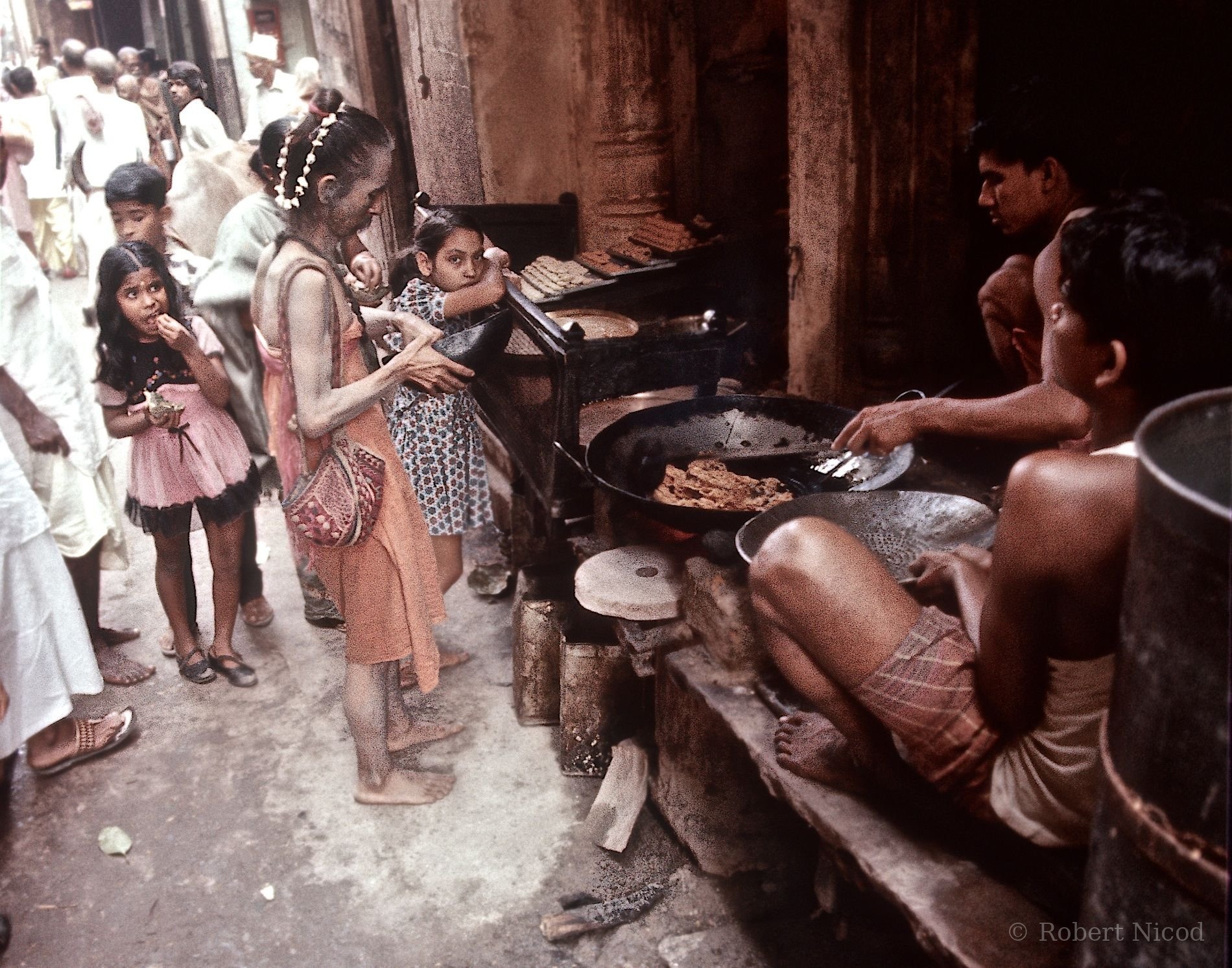
Delhi 1977
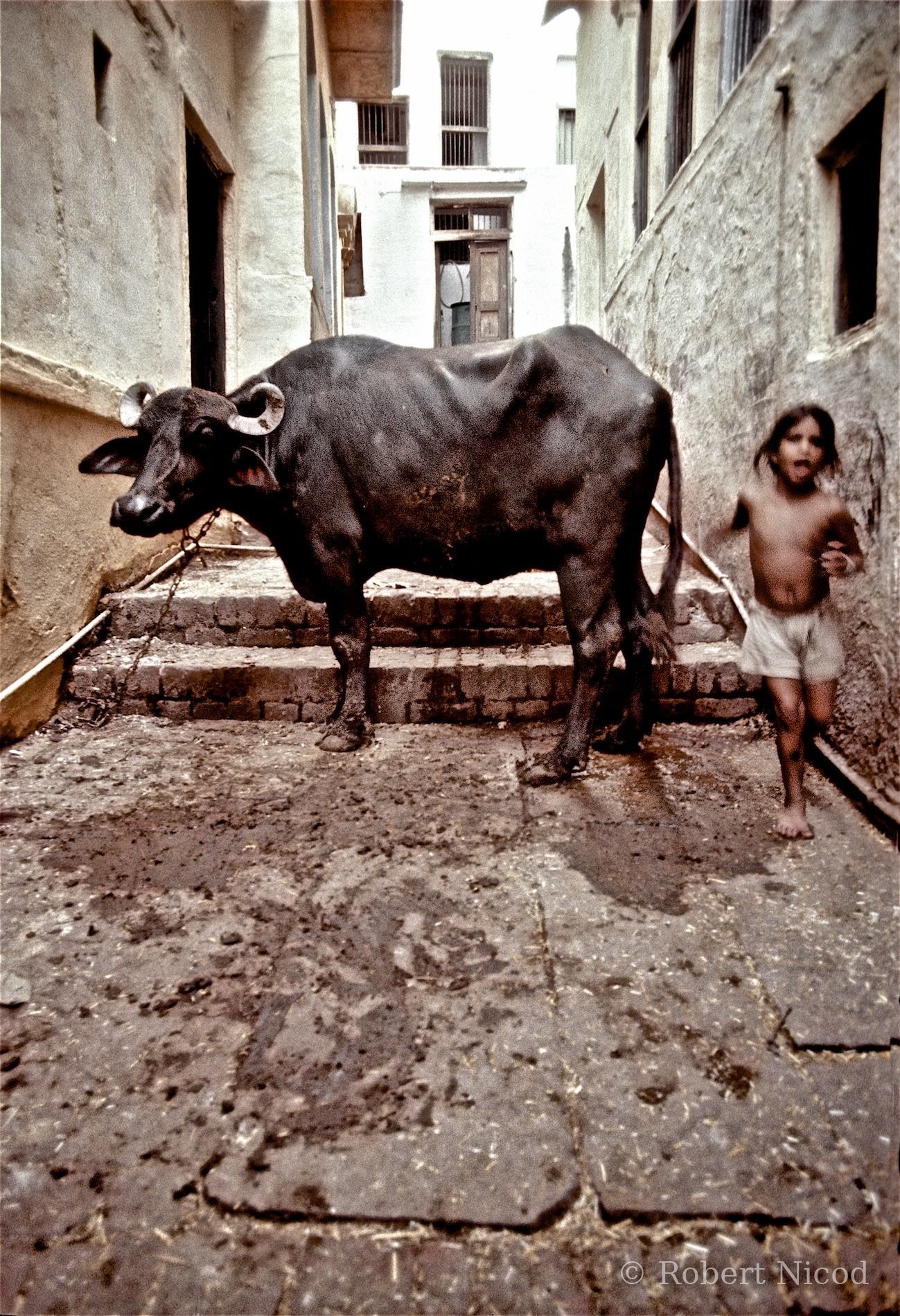
Delhi 1977
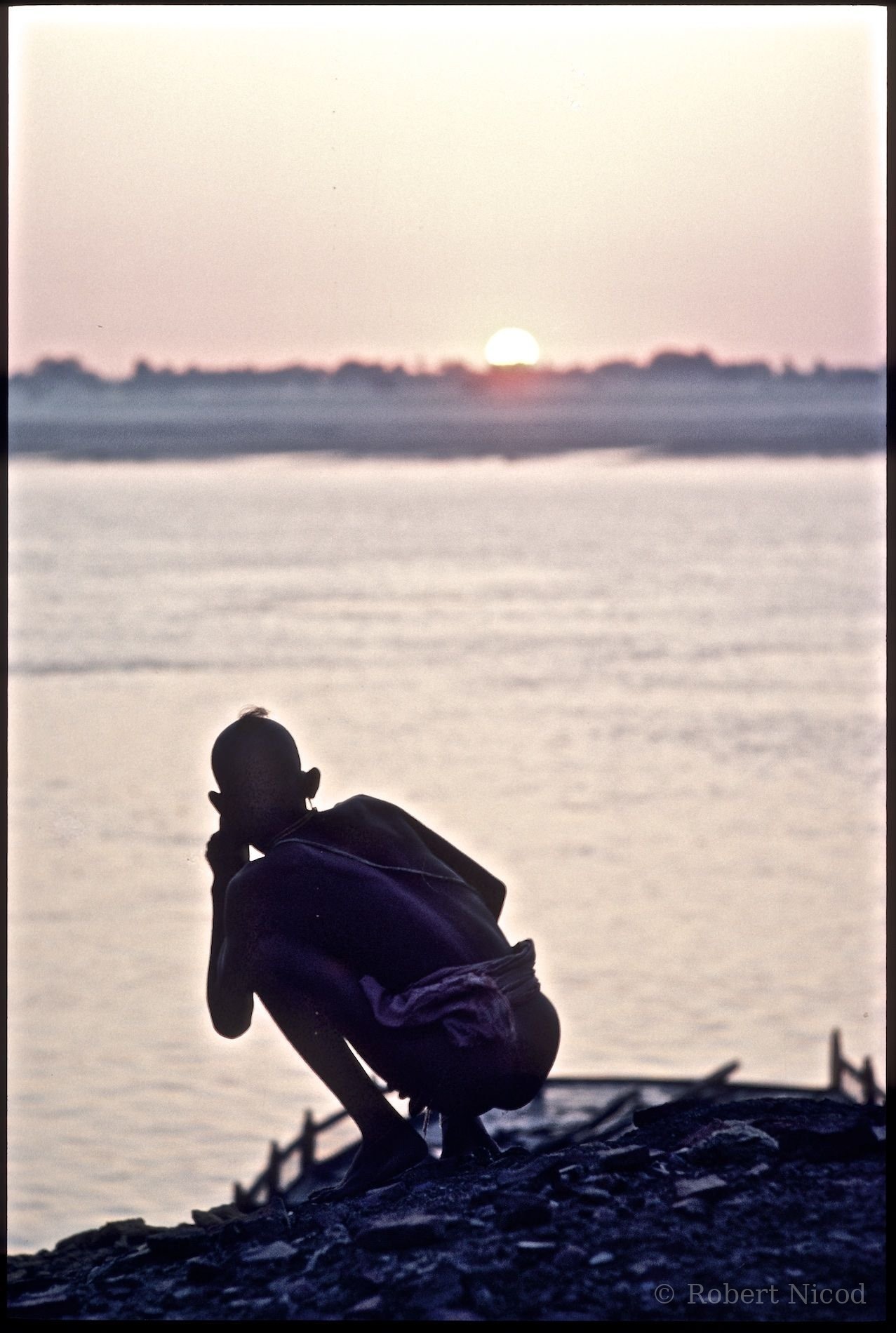
Varanasi 1977
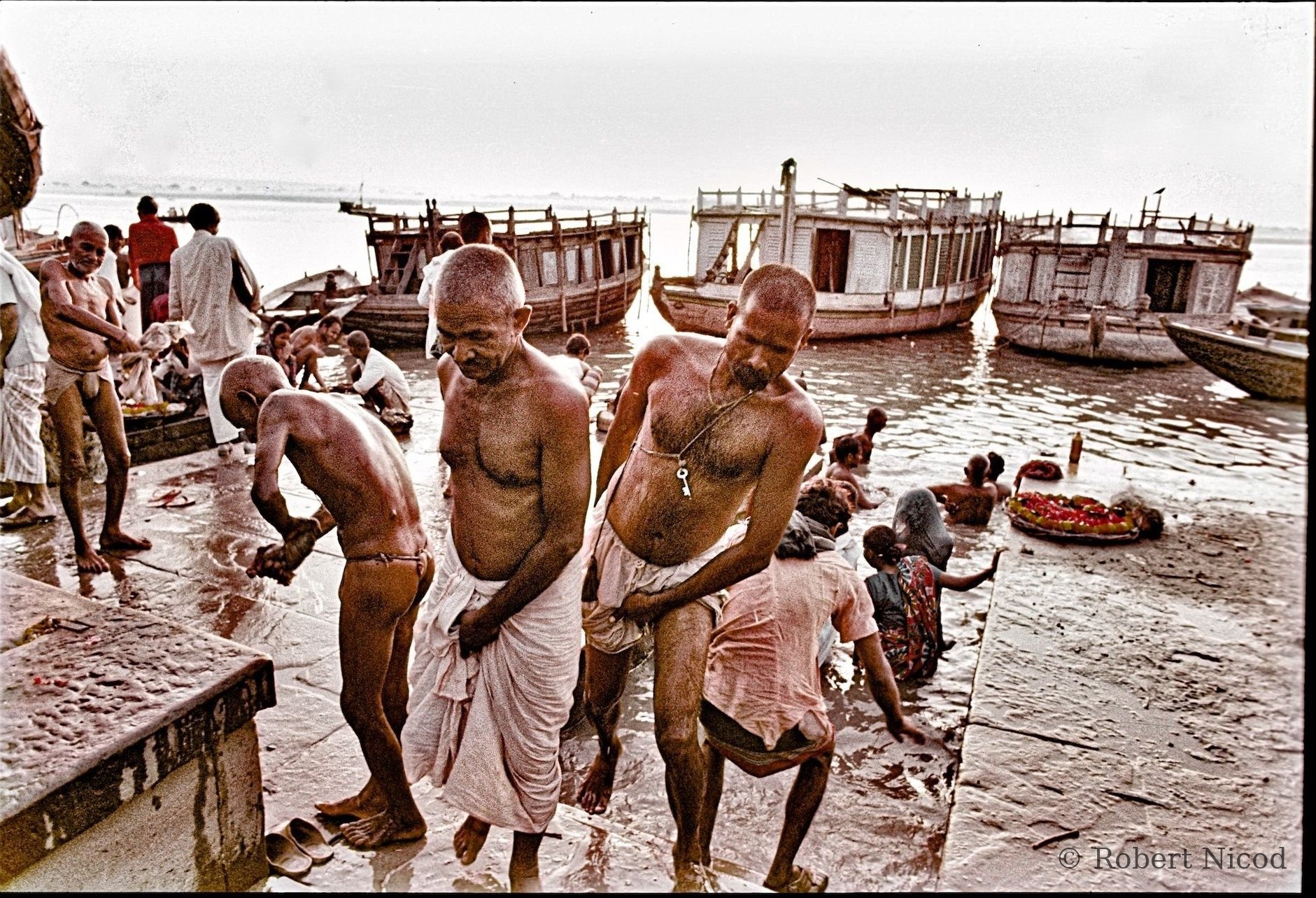
Varanasi 1977
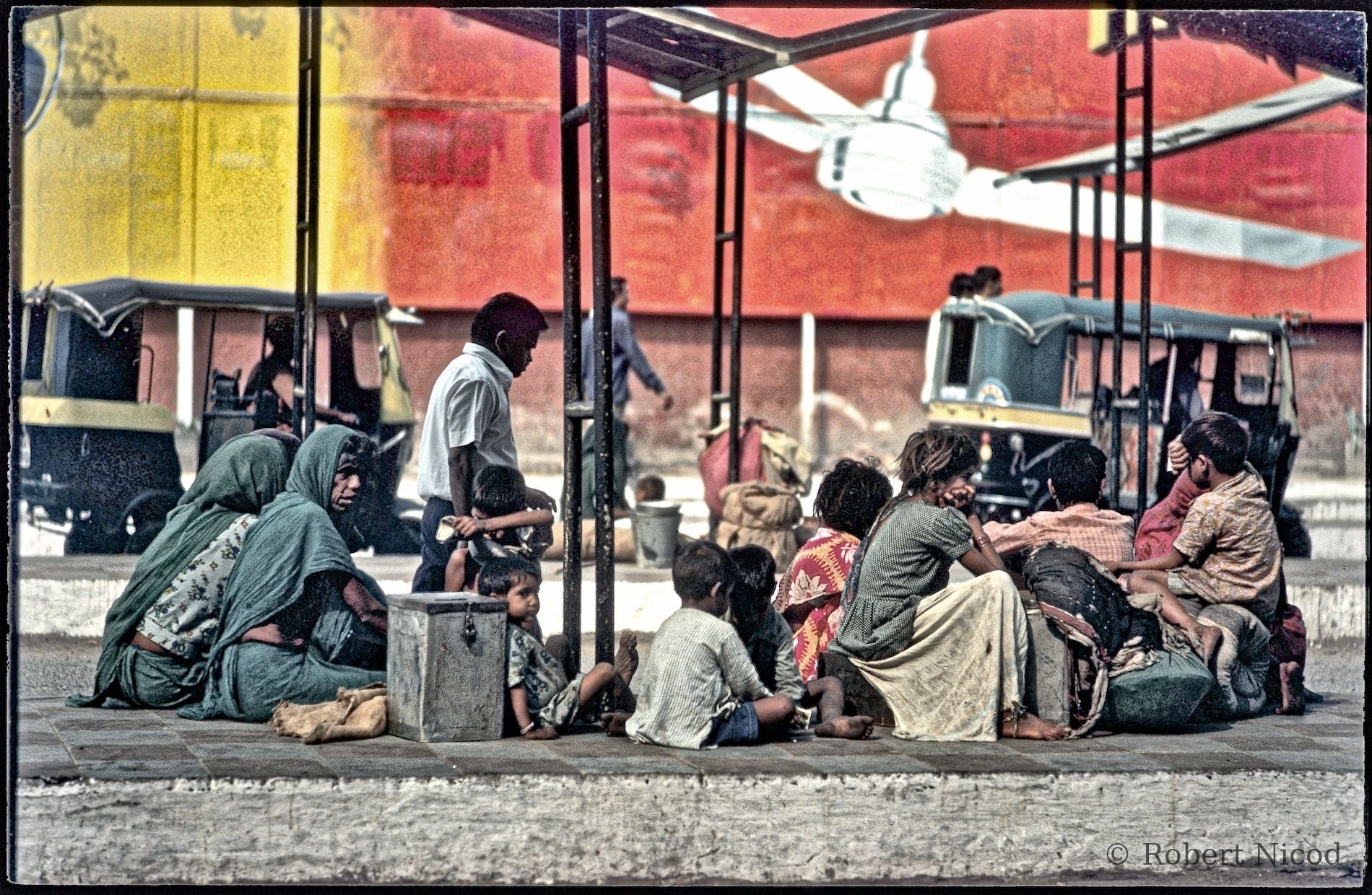
Delhi 1977
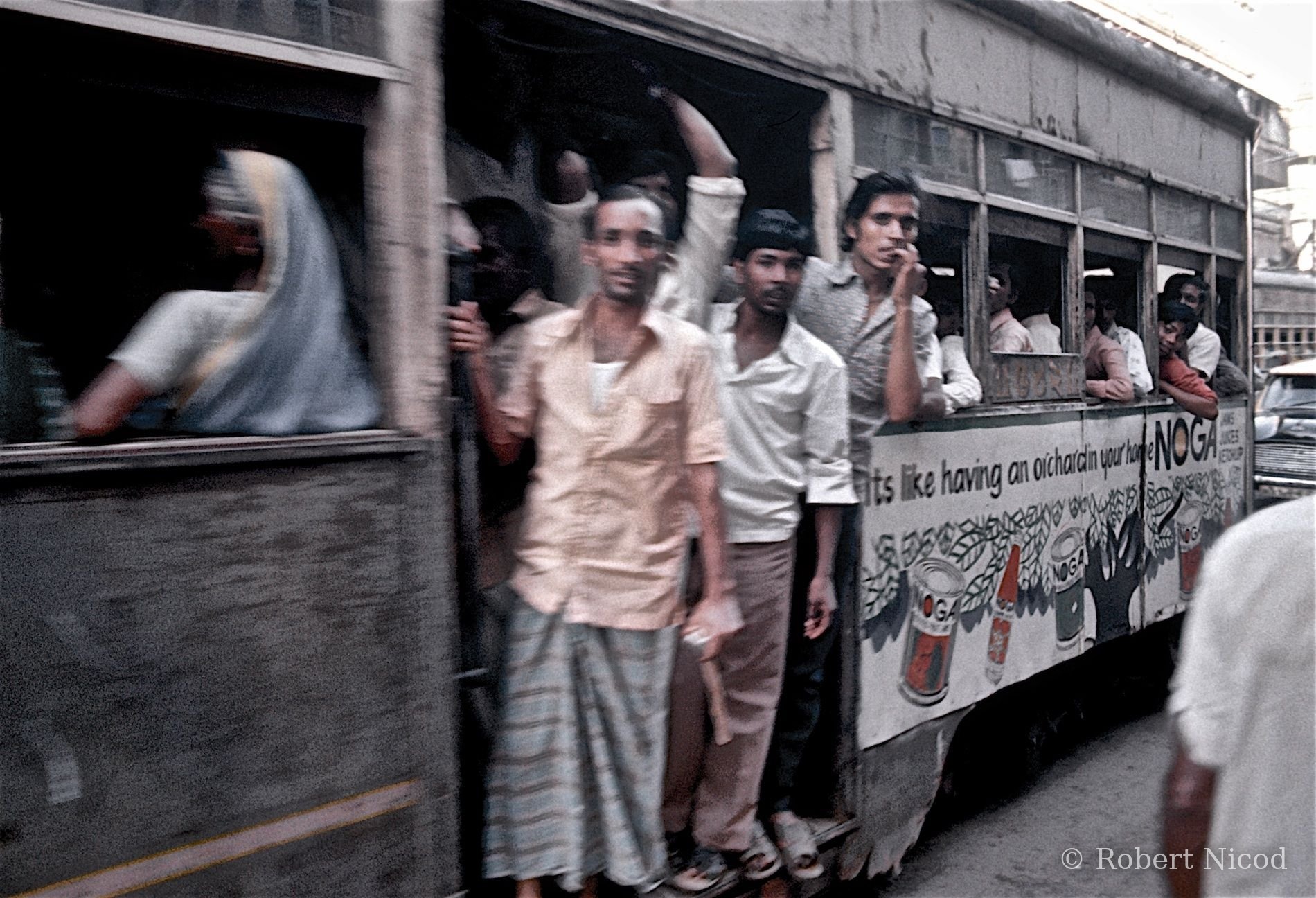
Delhi 1977
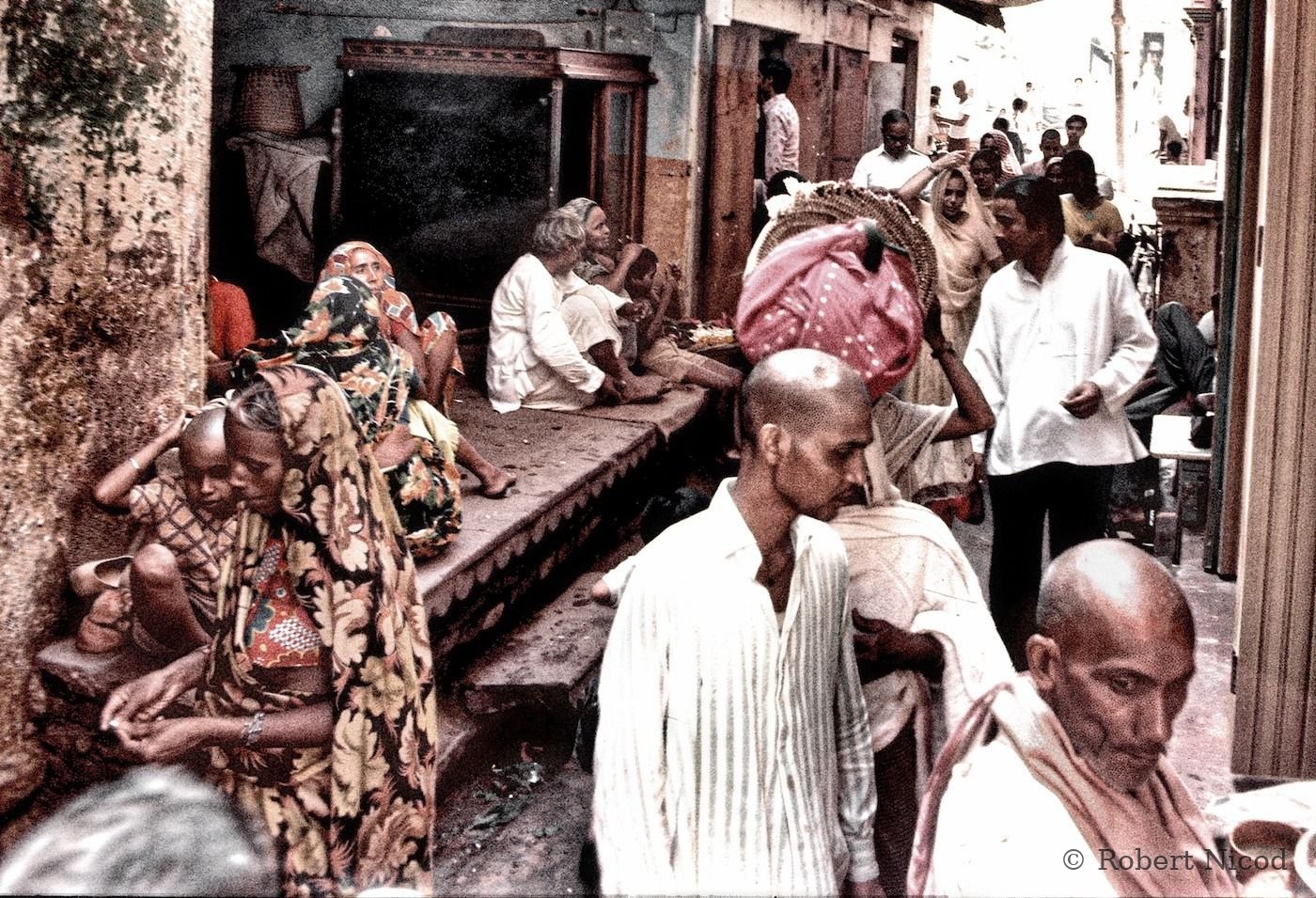
Delhi 1977
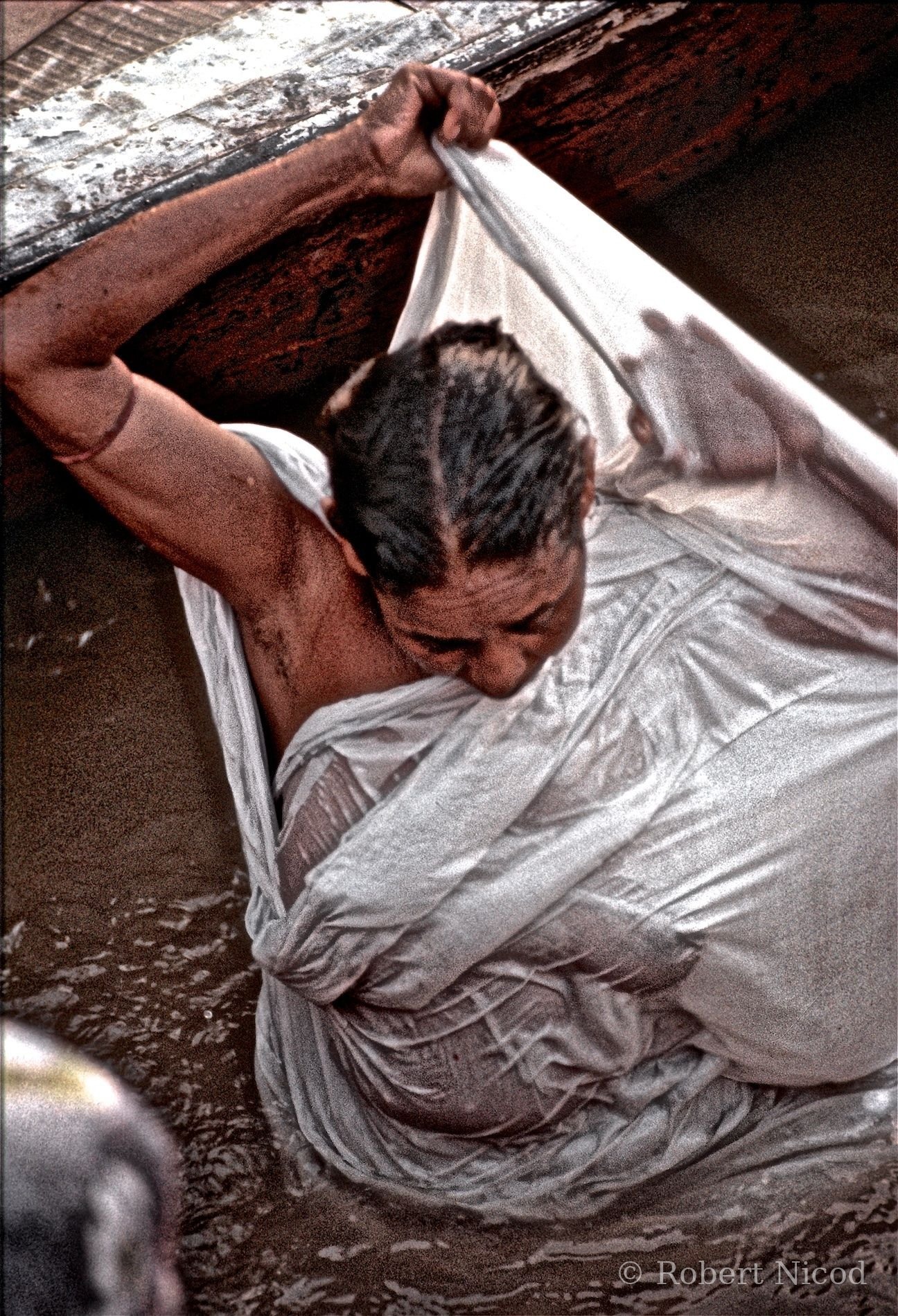
Varanasi 1977
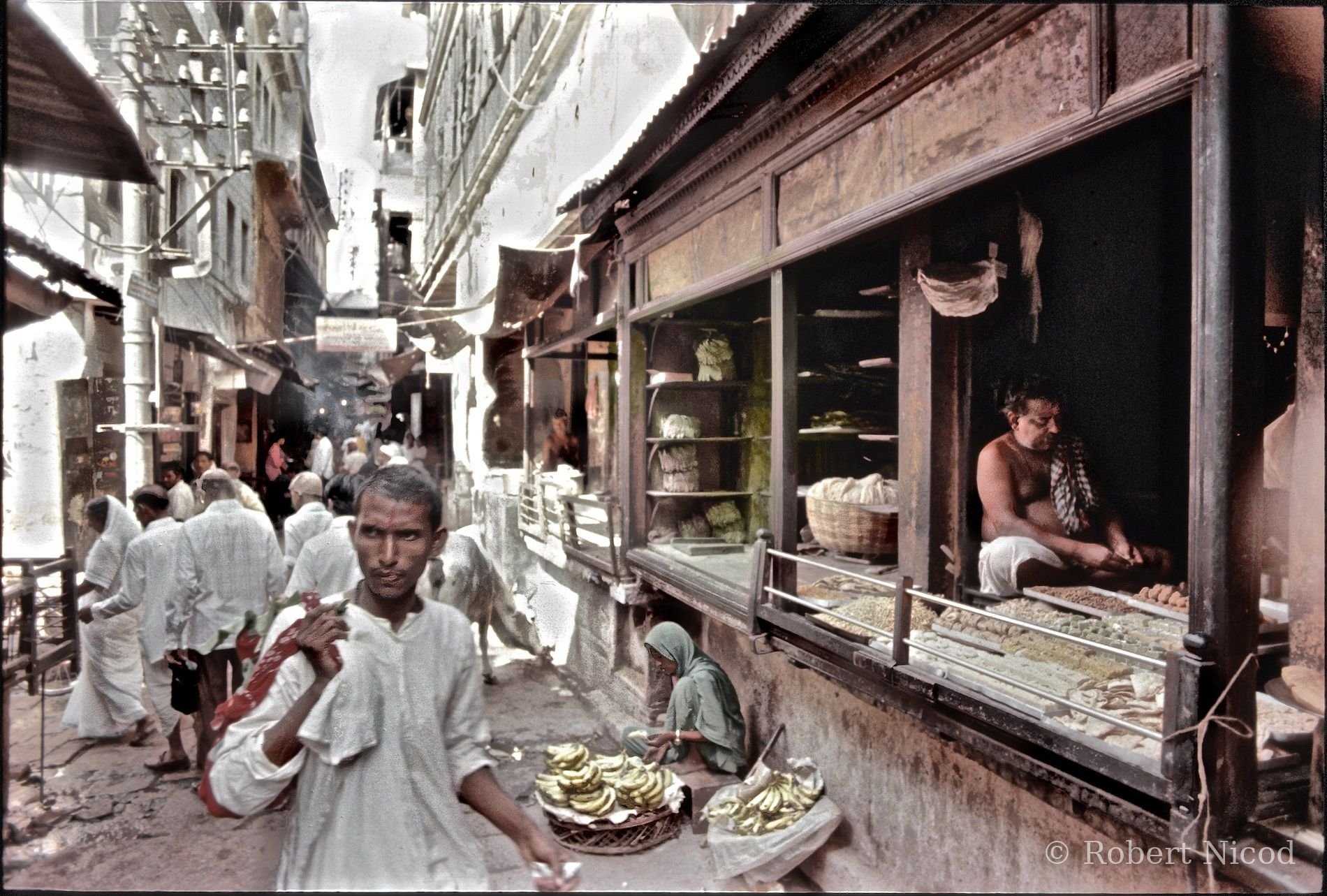
Delhi 1977
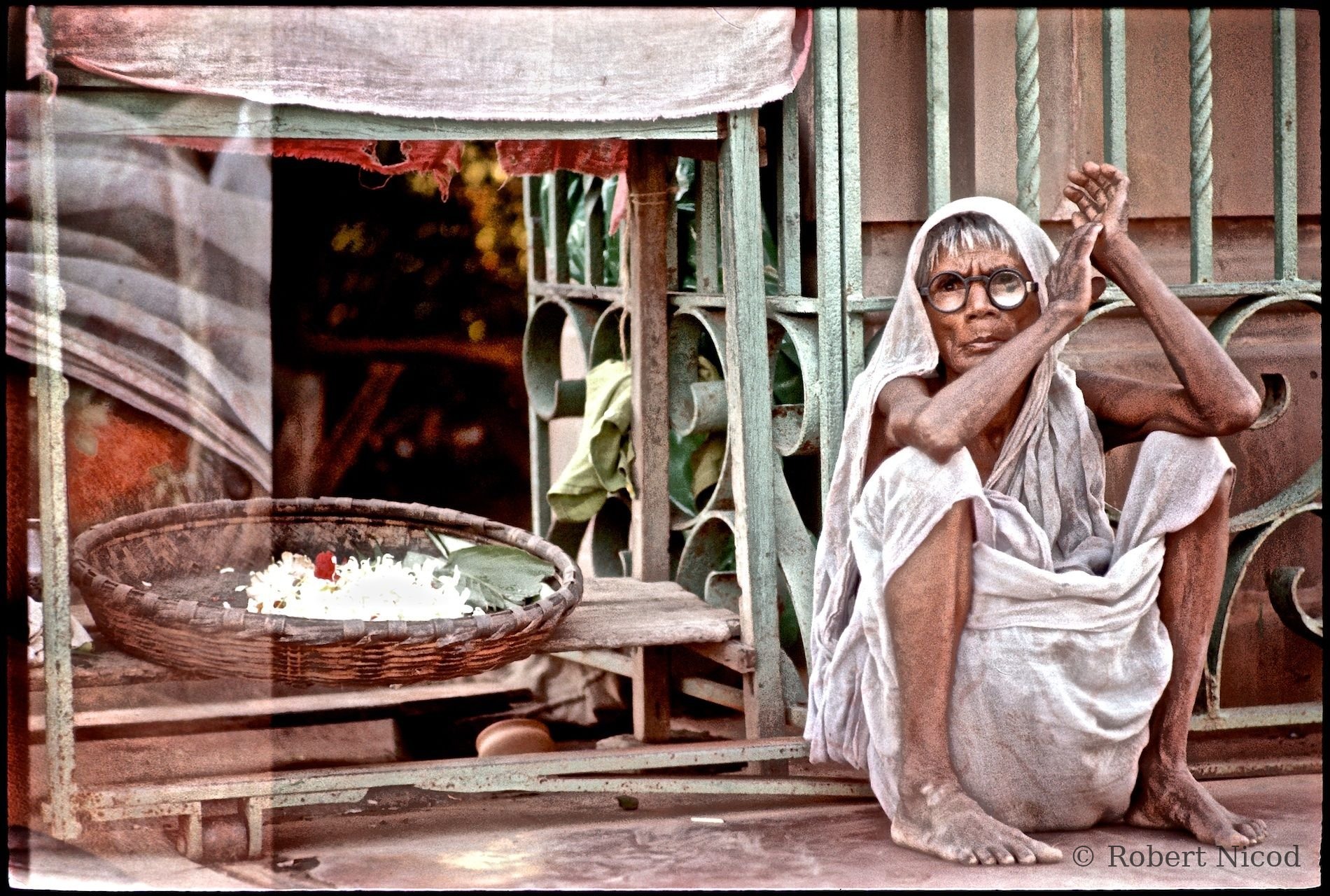
Delhi 1977
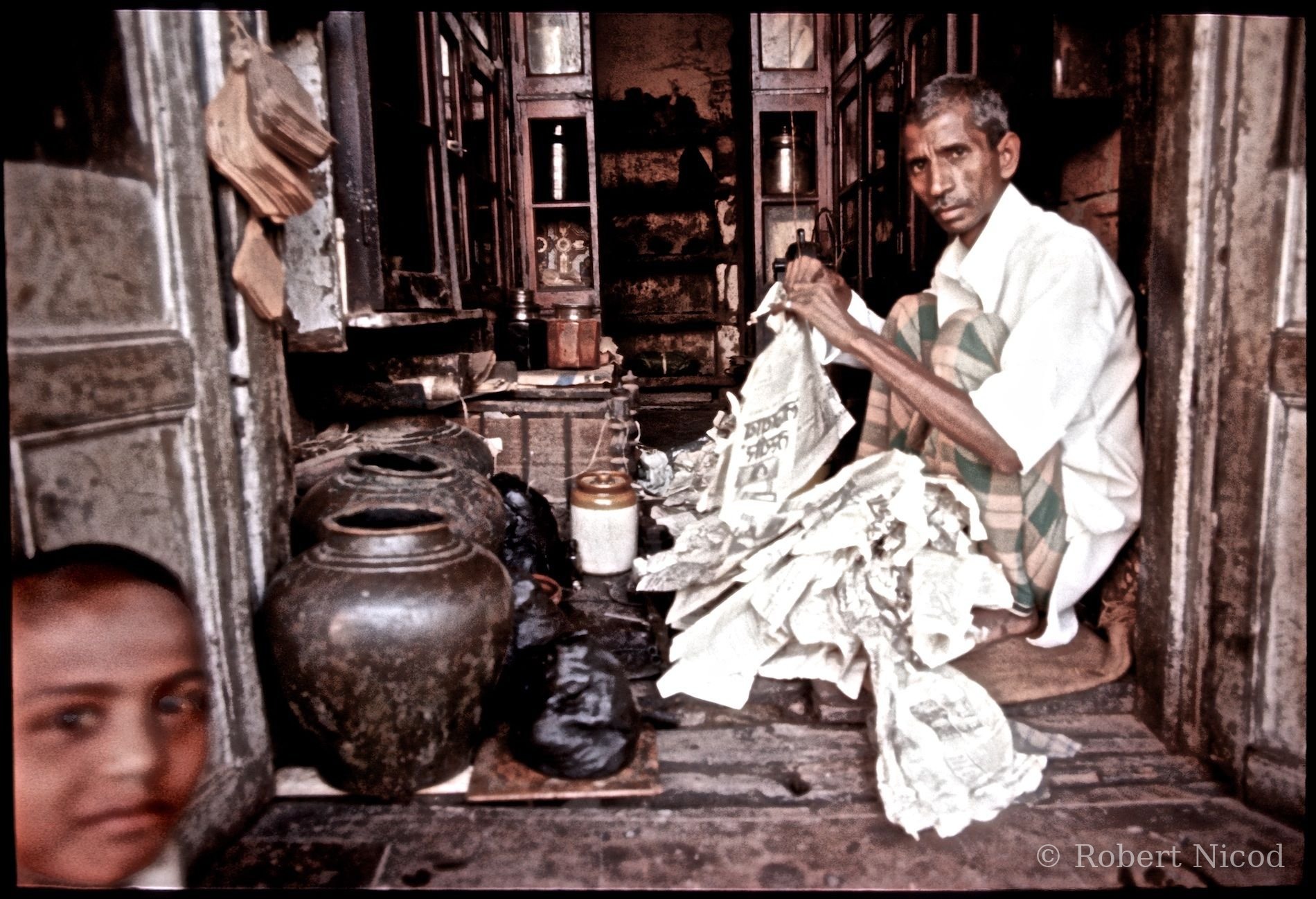
Delhi 1977
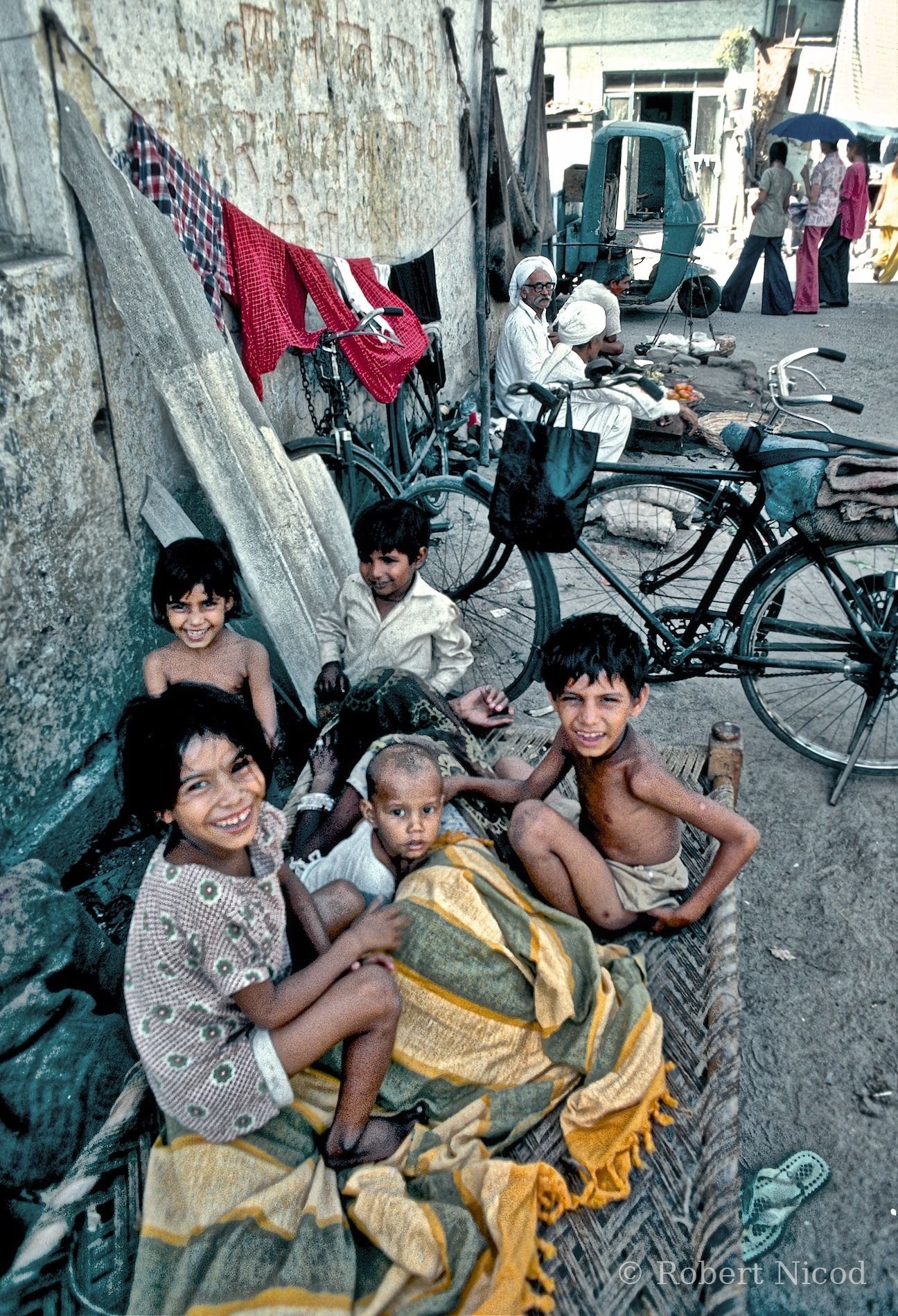
Delhi 1977
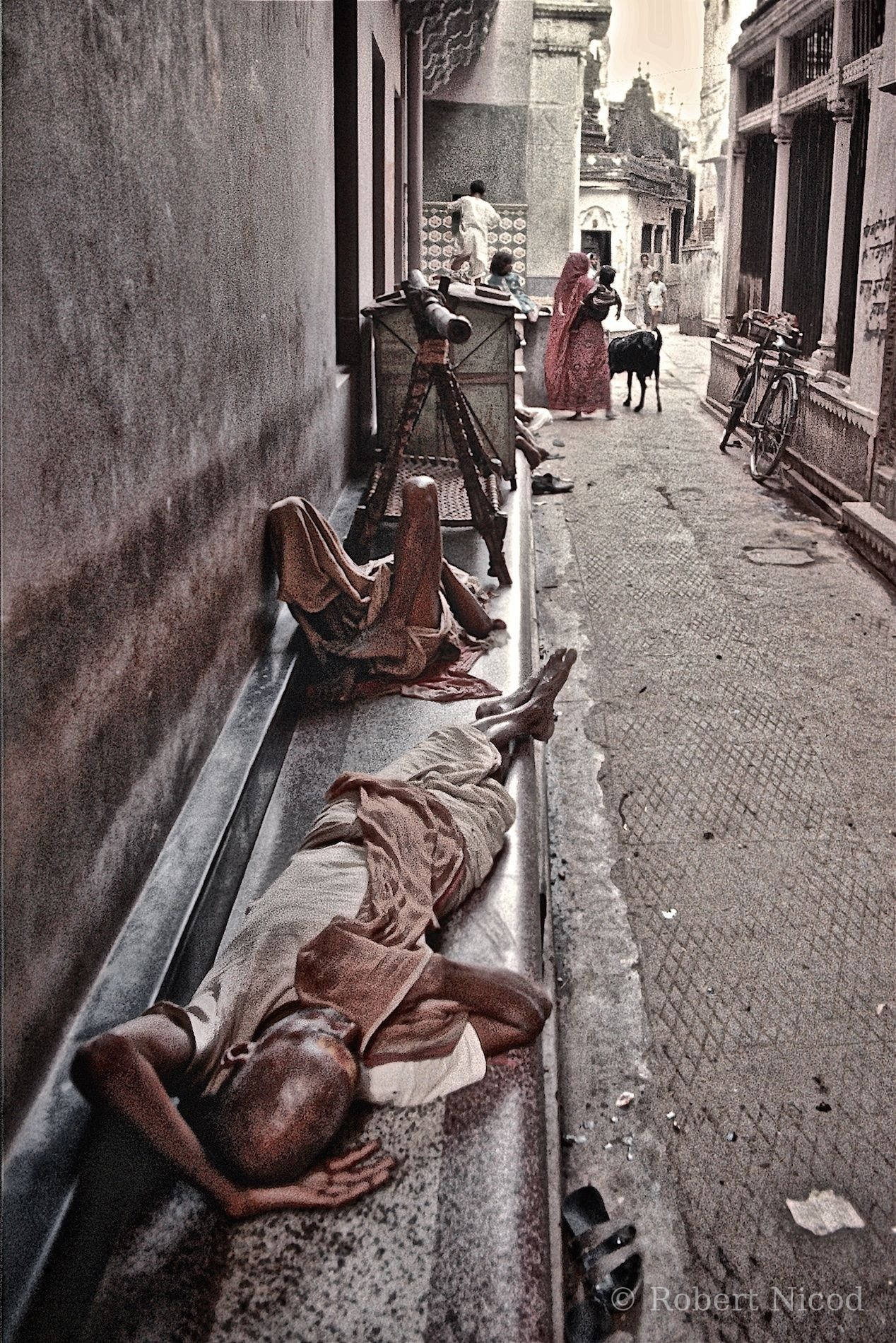
Delhi 1977
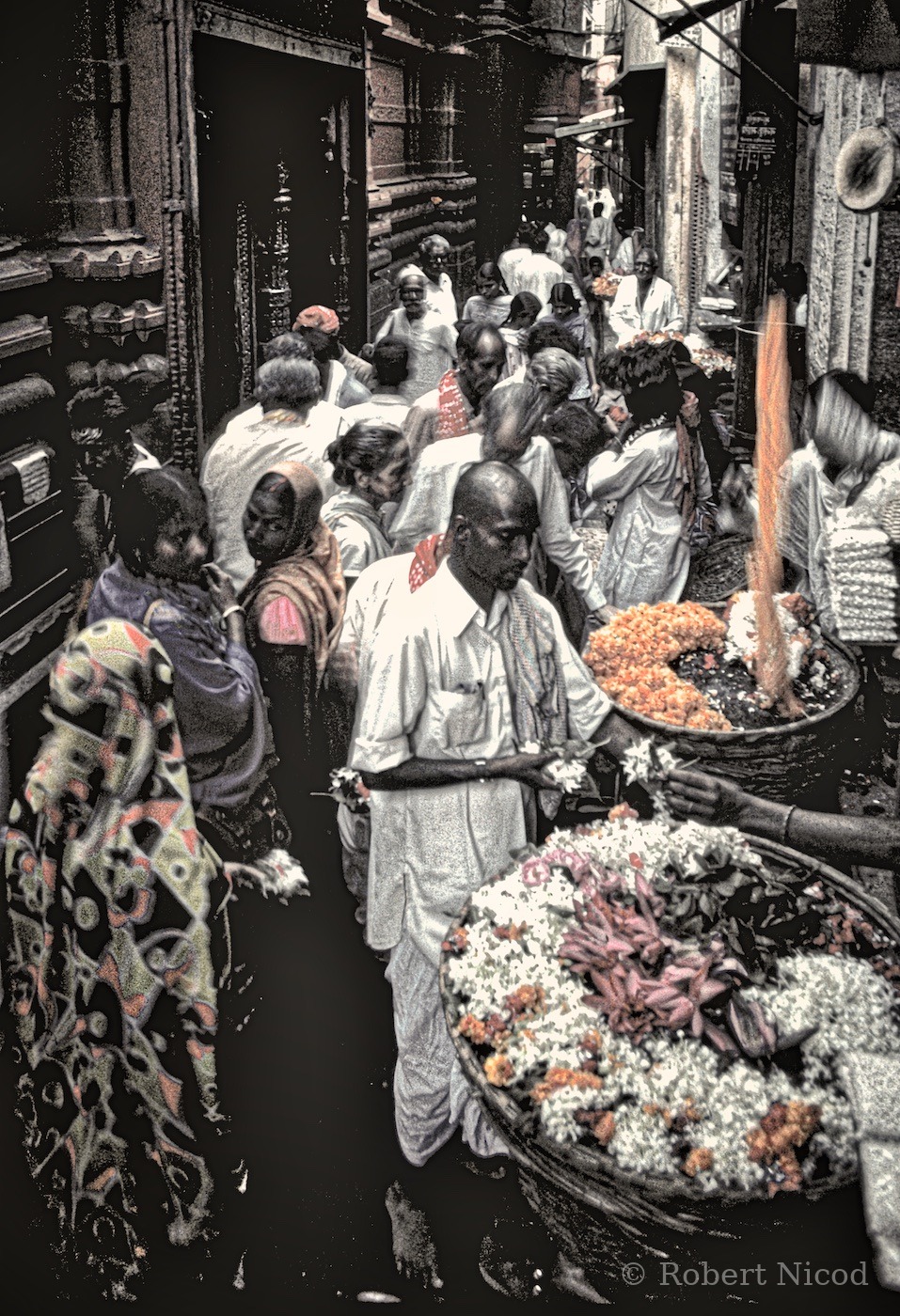
Delhi 1977
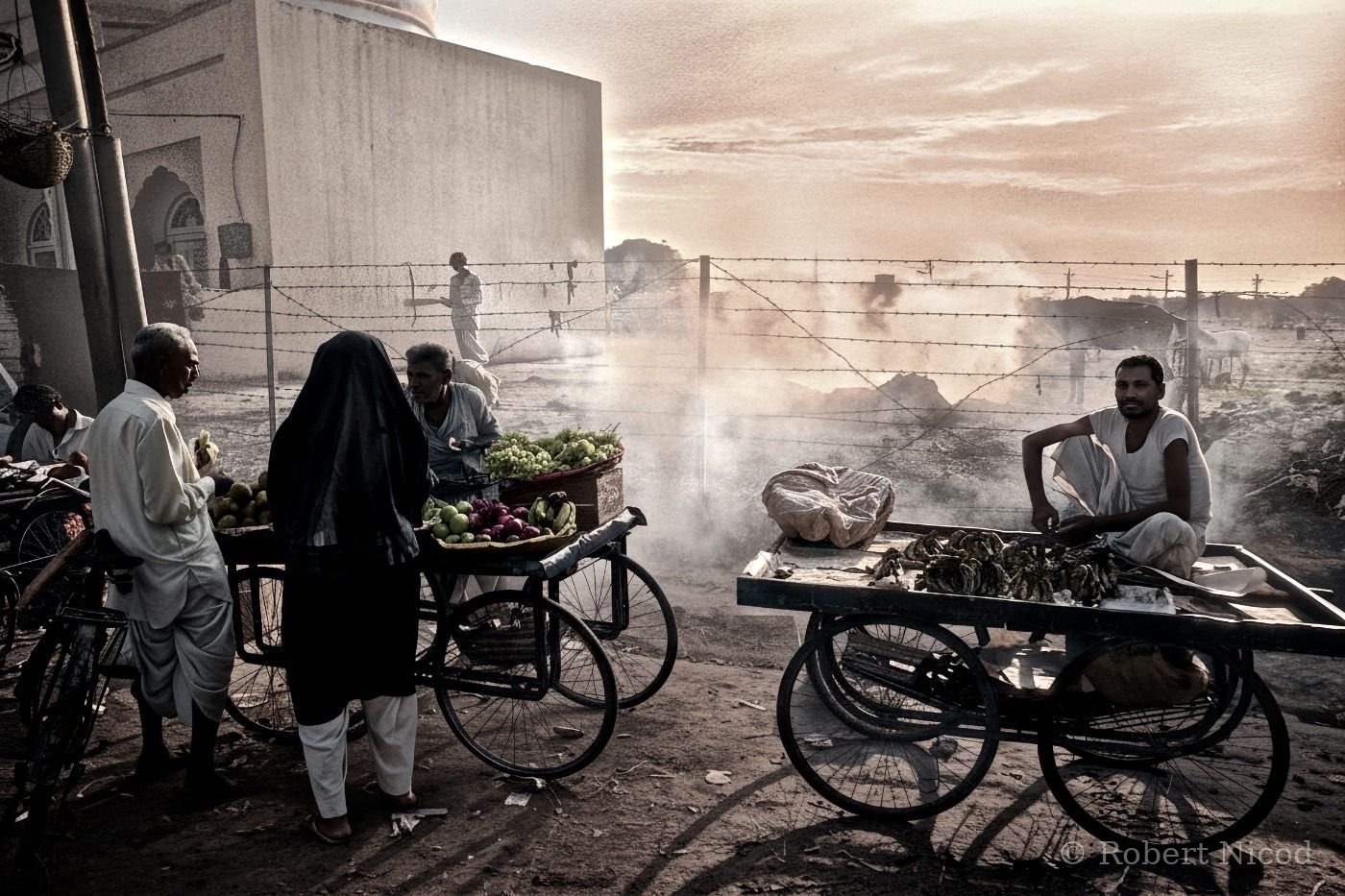
Delhi 1977
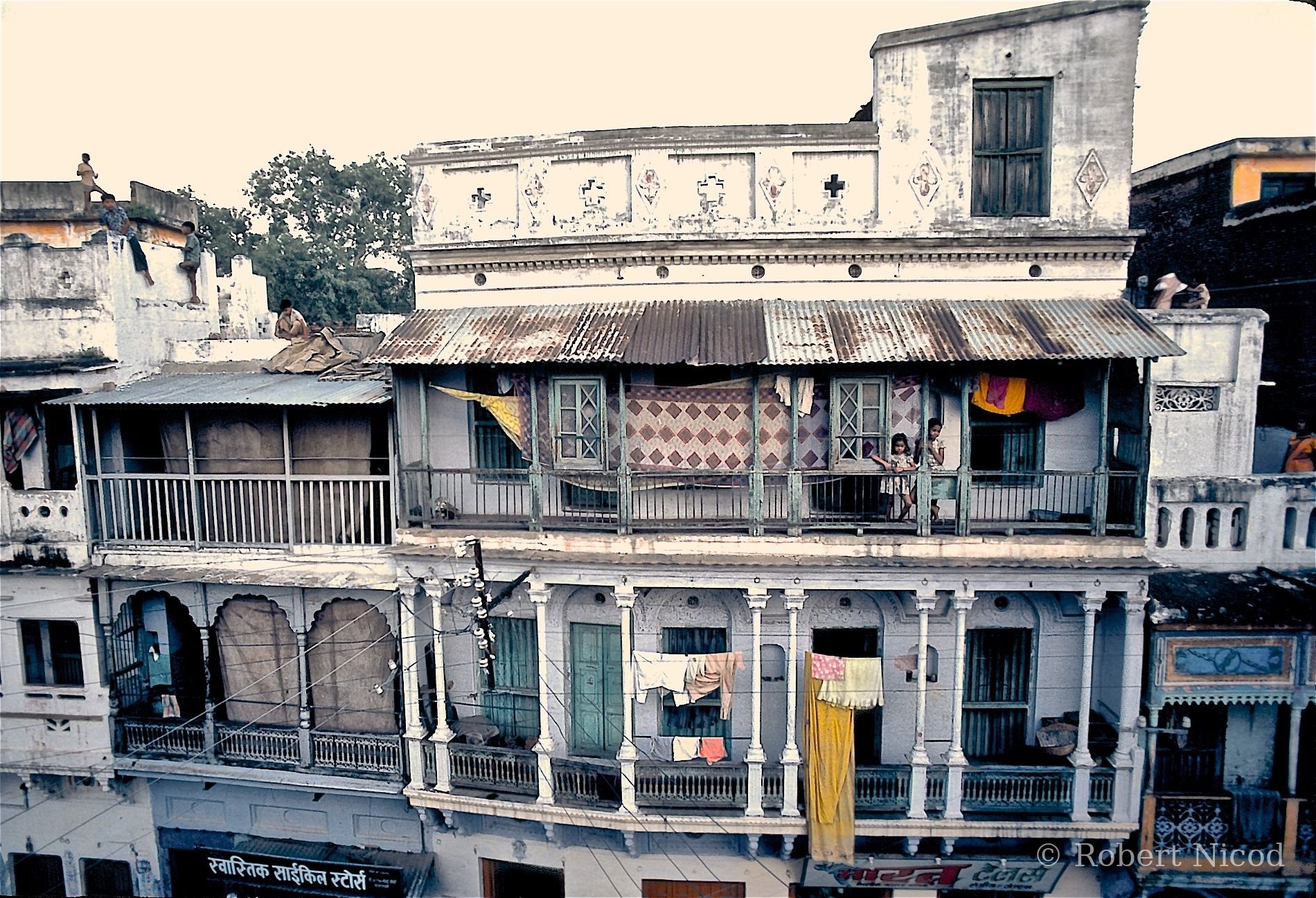
Delhi 1977
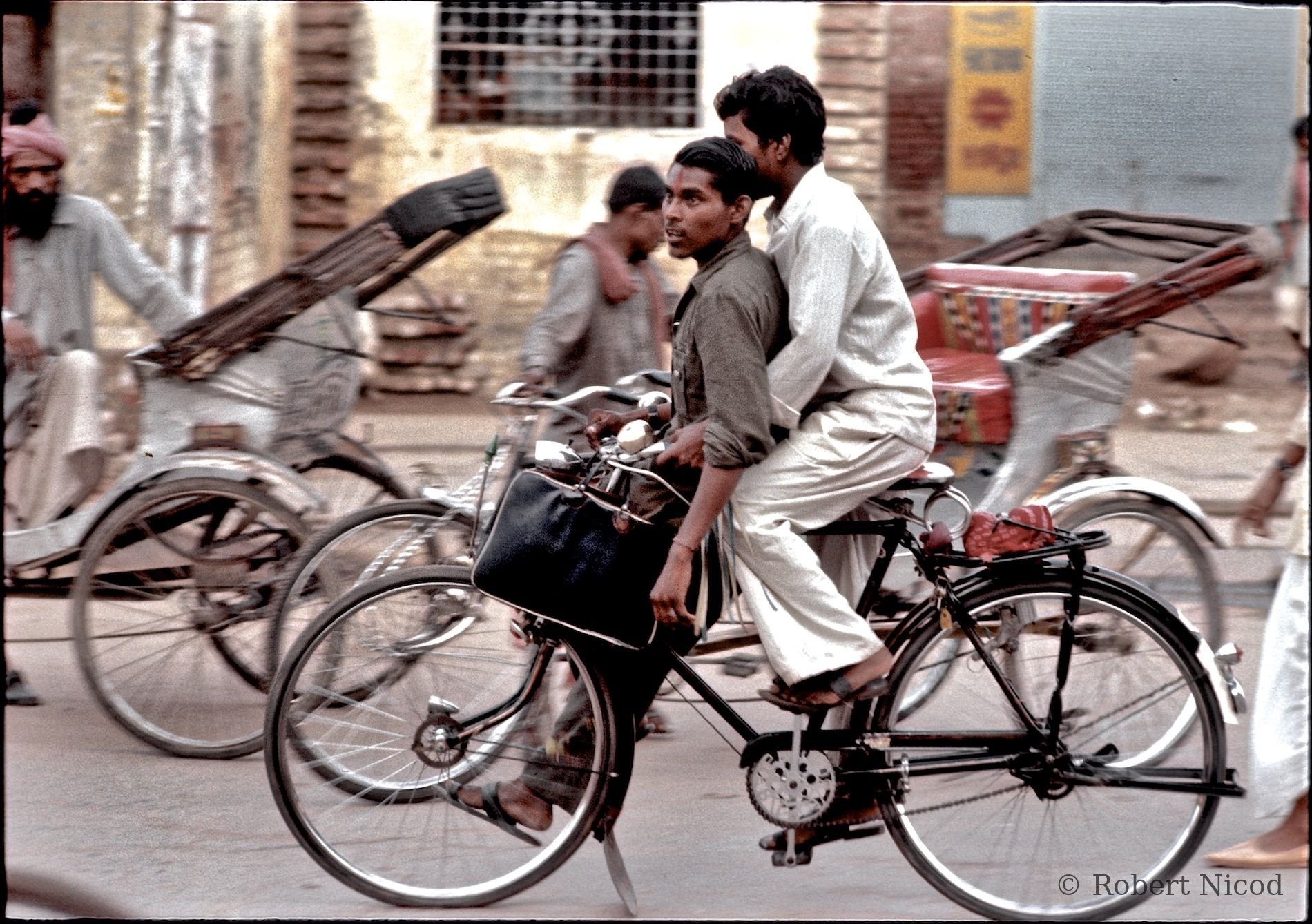
Delhi 1977
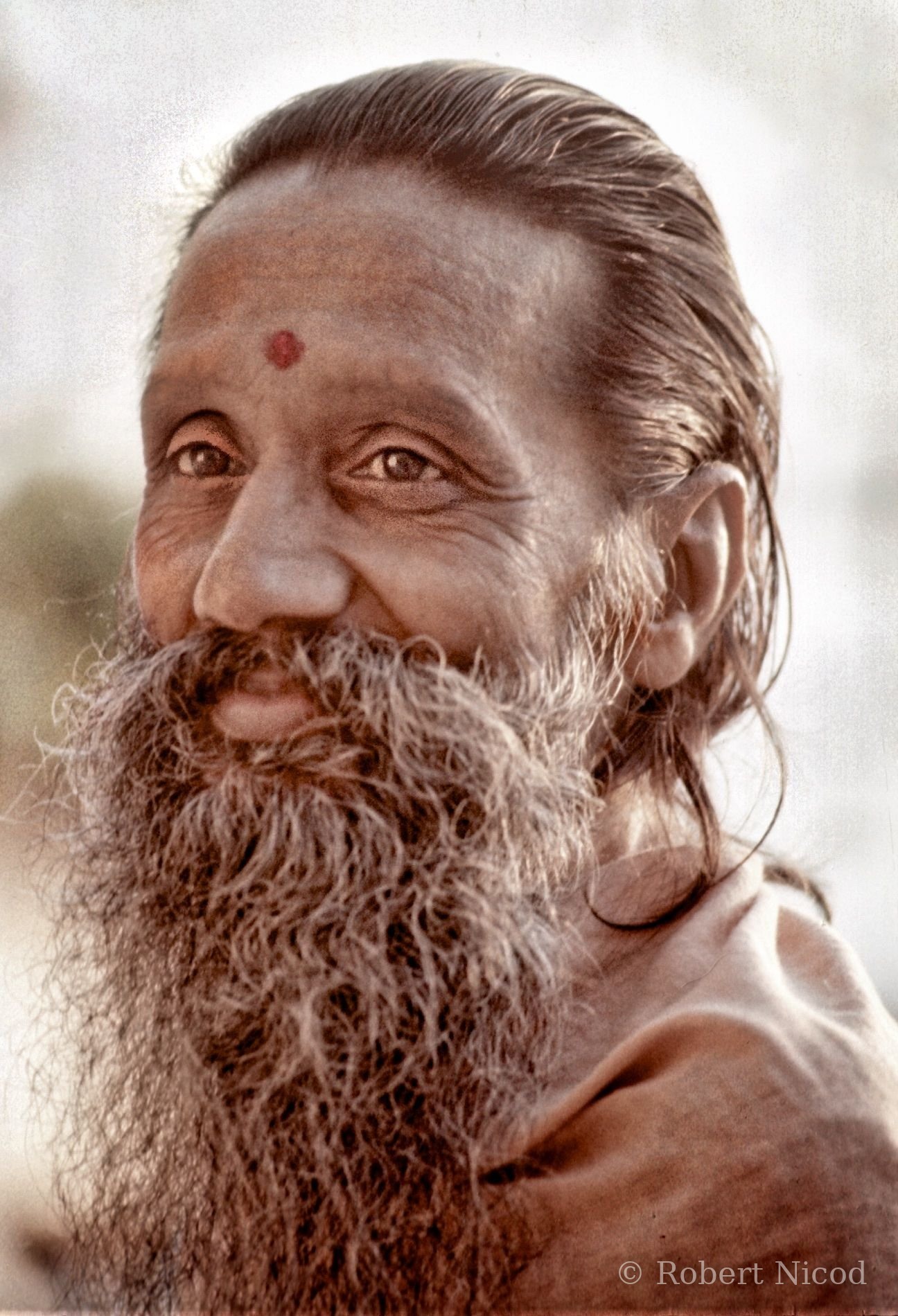
Varanasi 1977
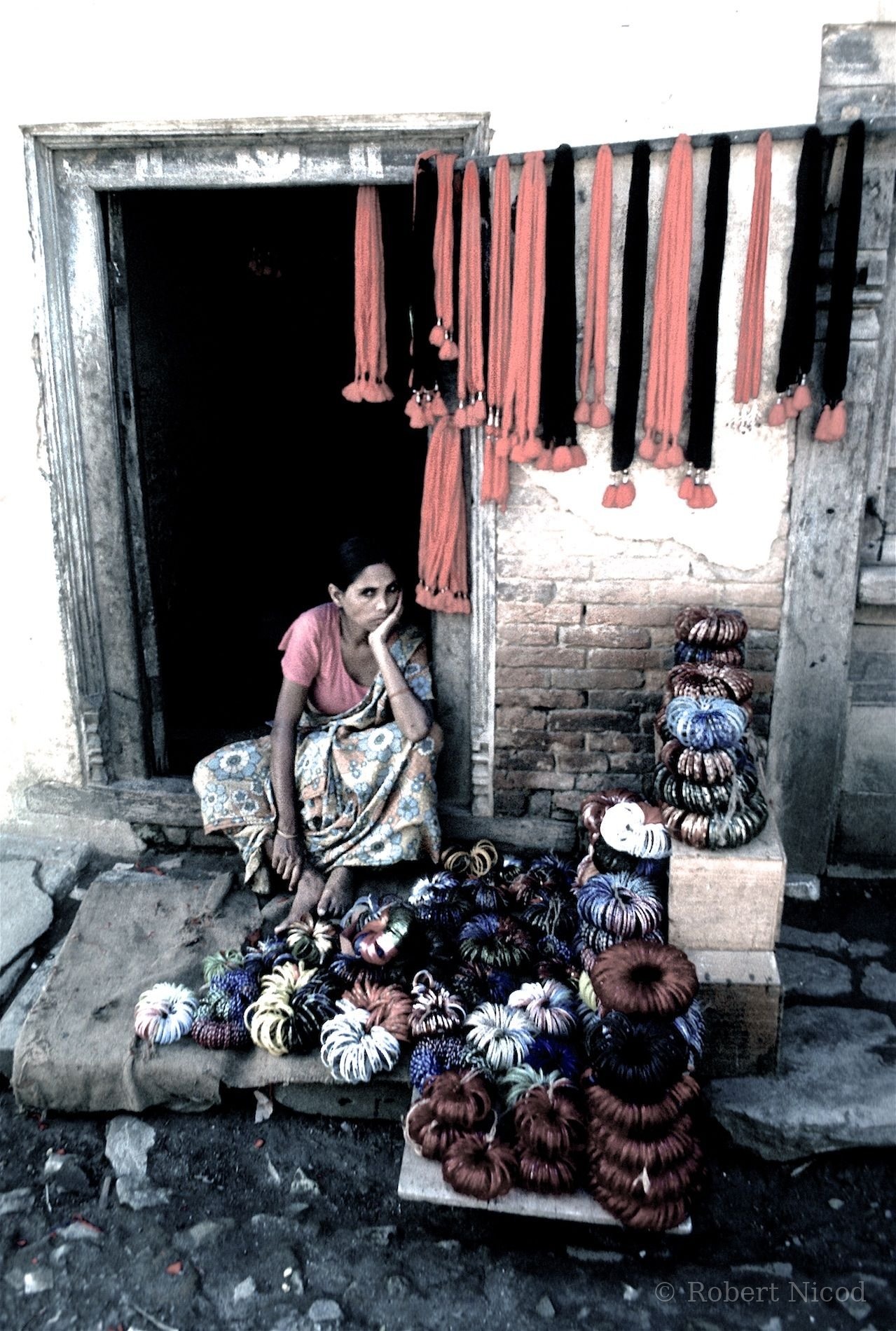
Delhi 1977
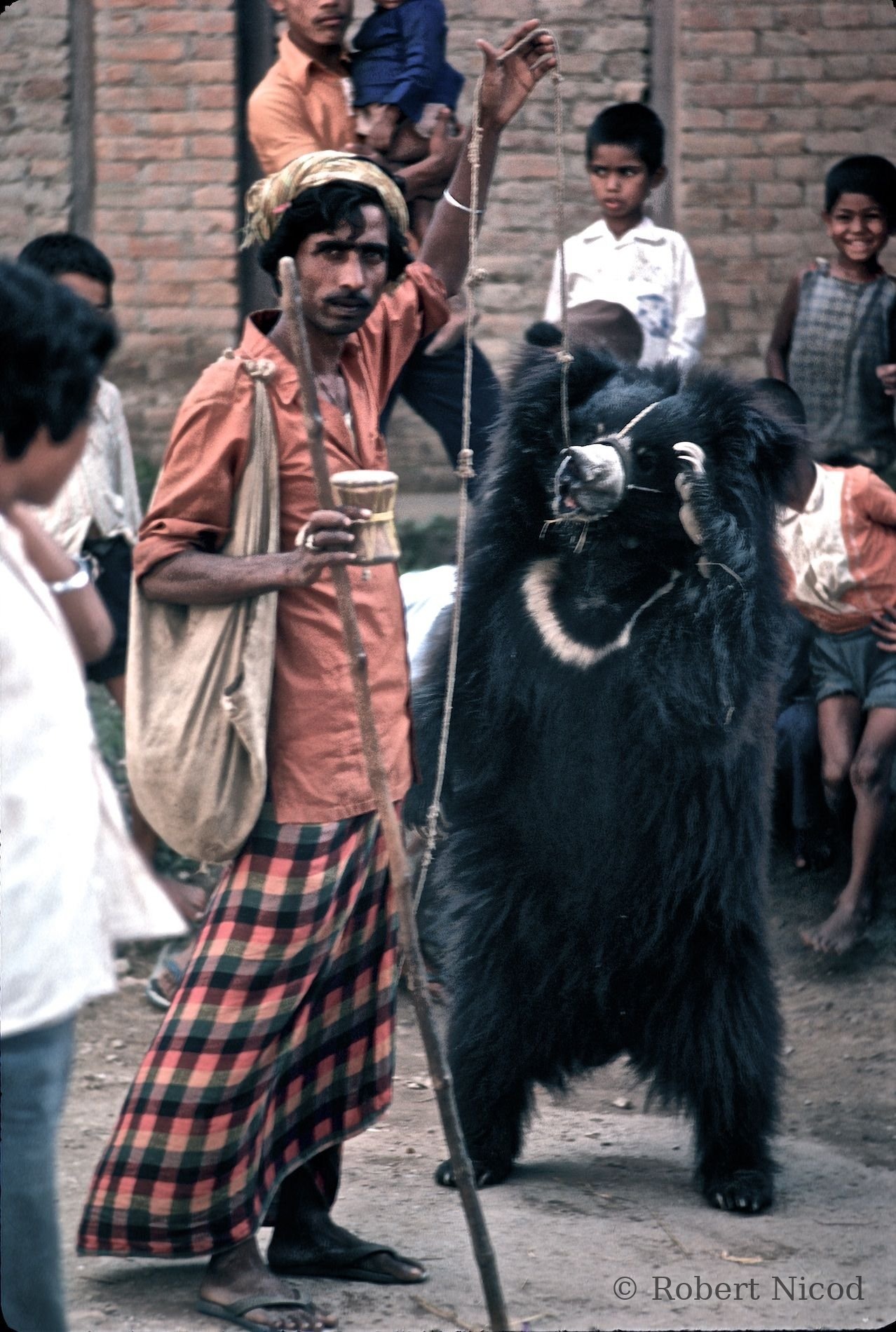
Delhi 1977
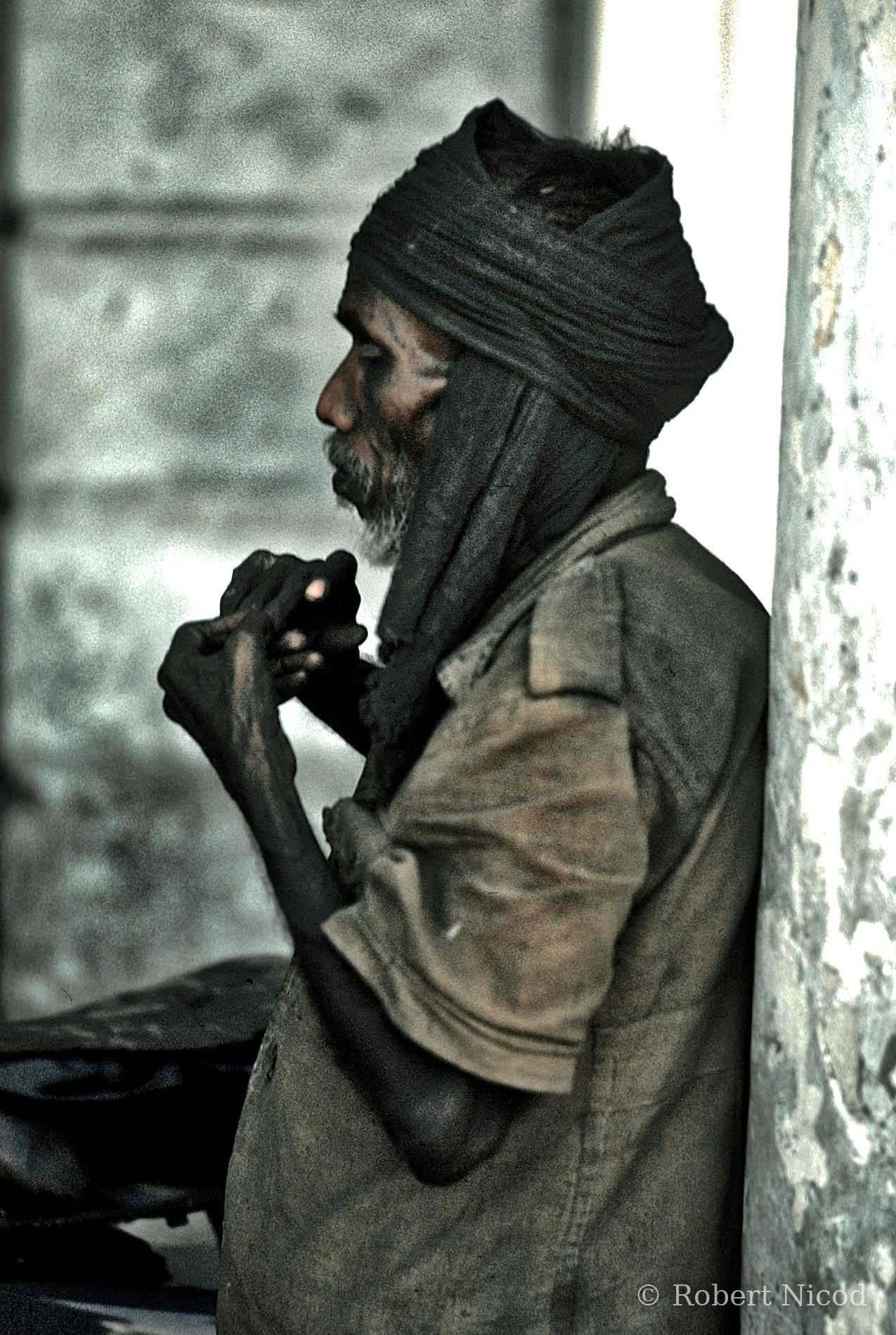
Calcutta 1977
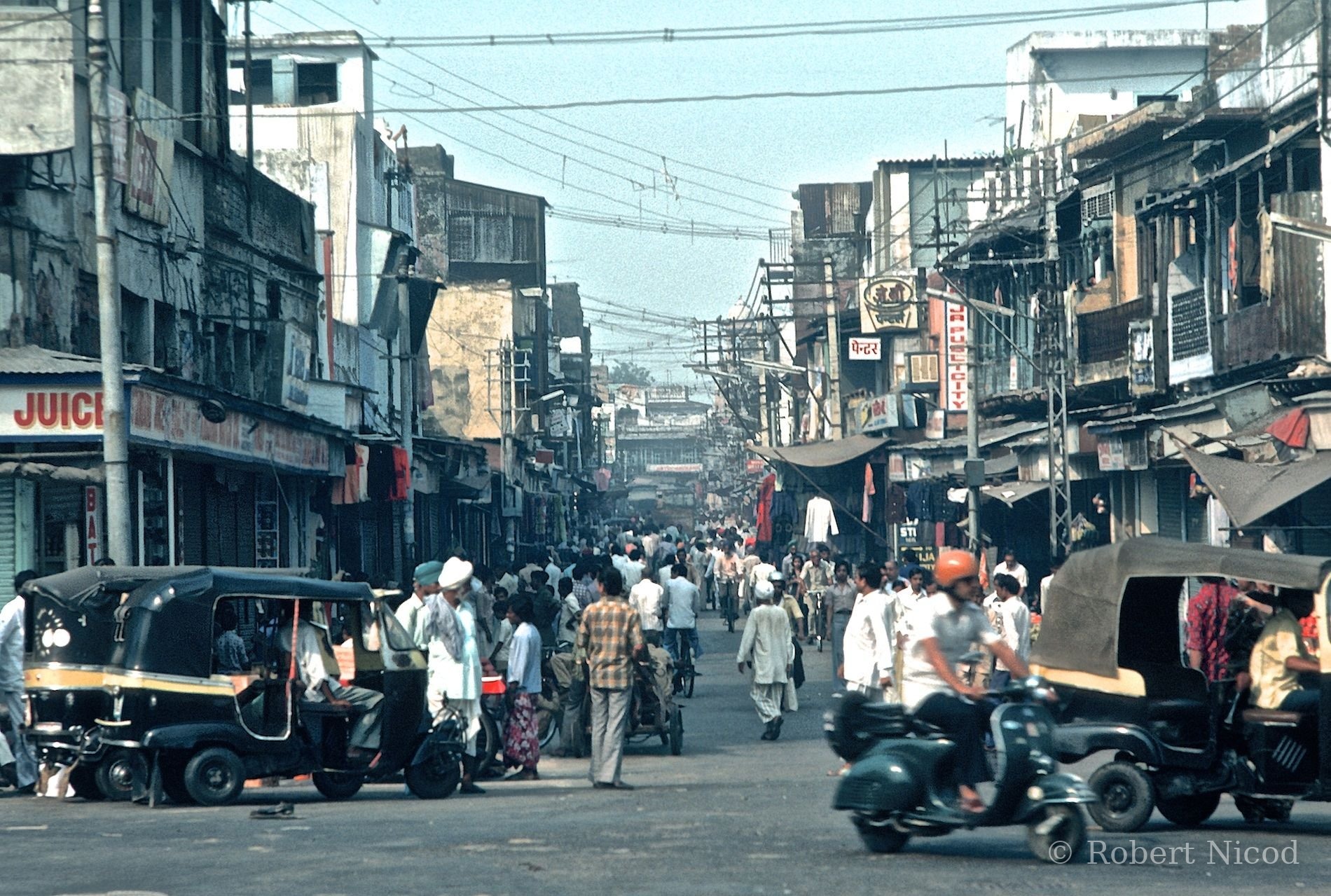
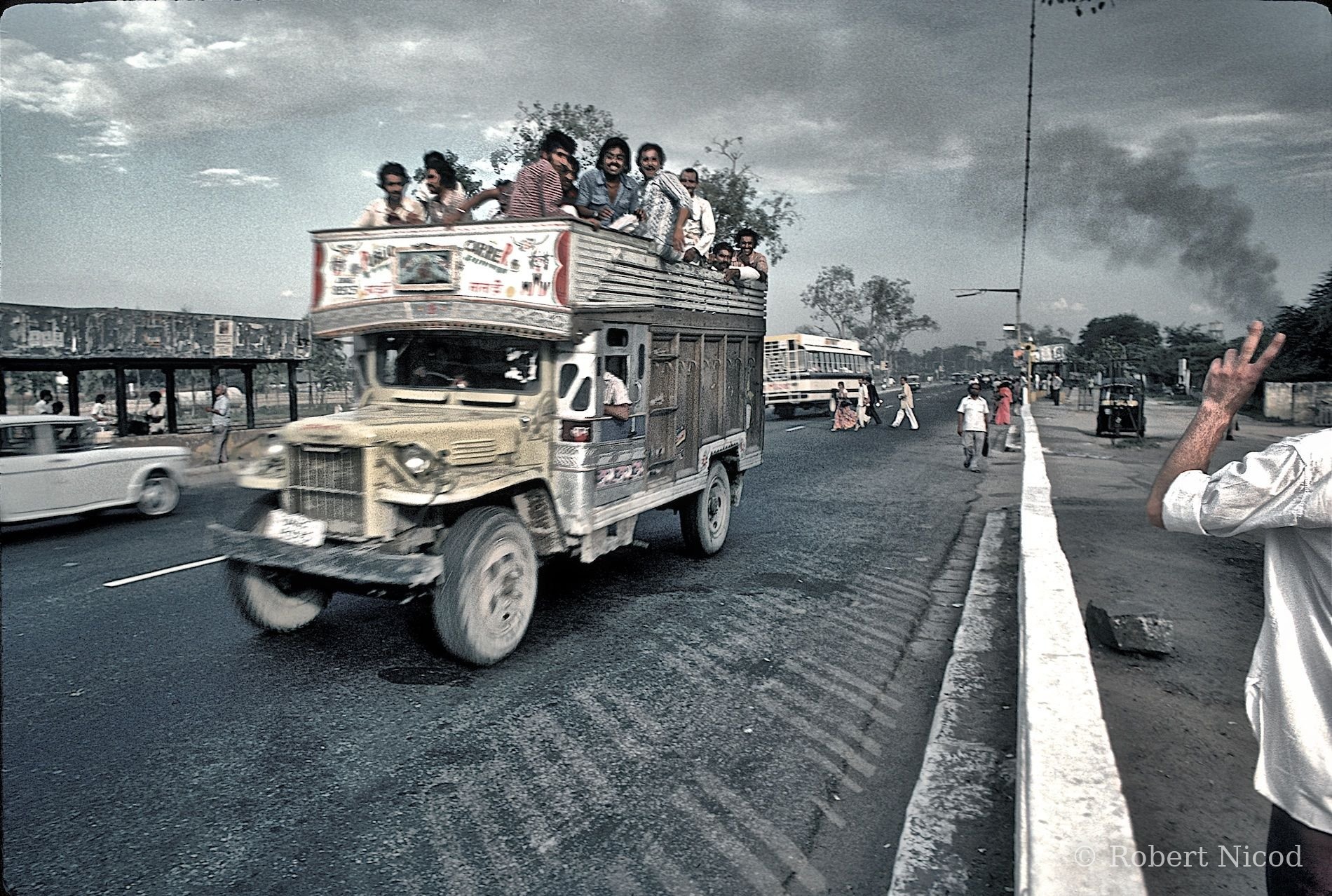
Delhi 1977
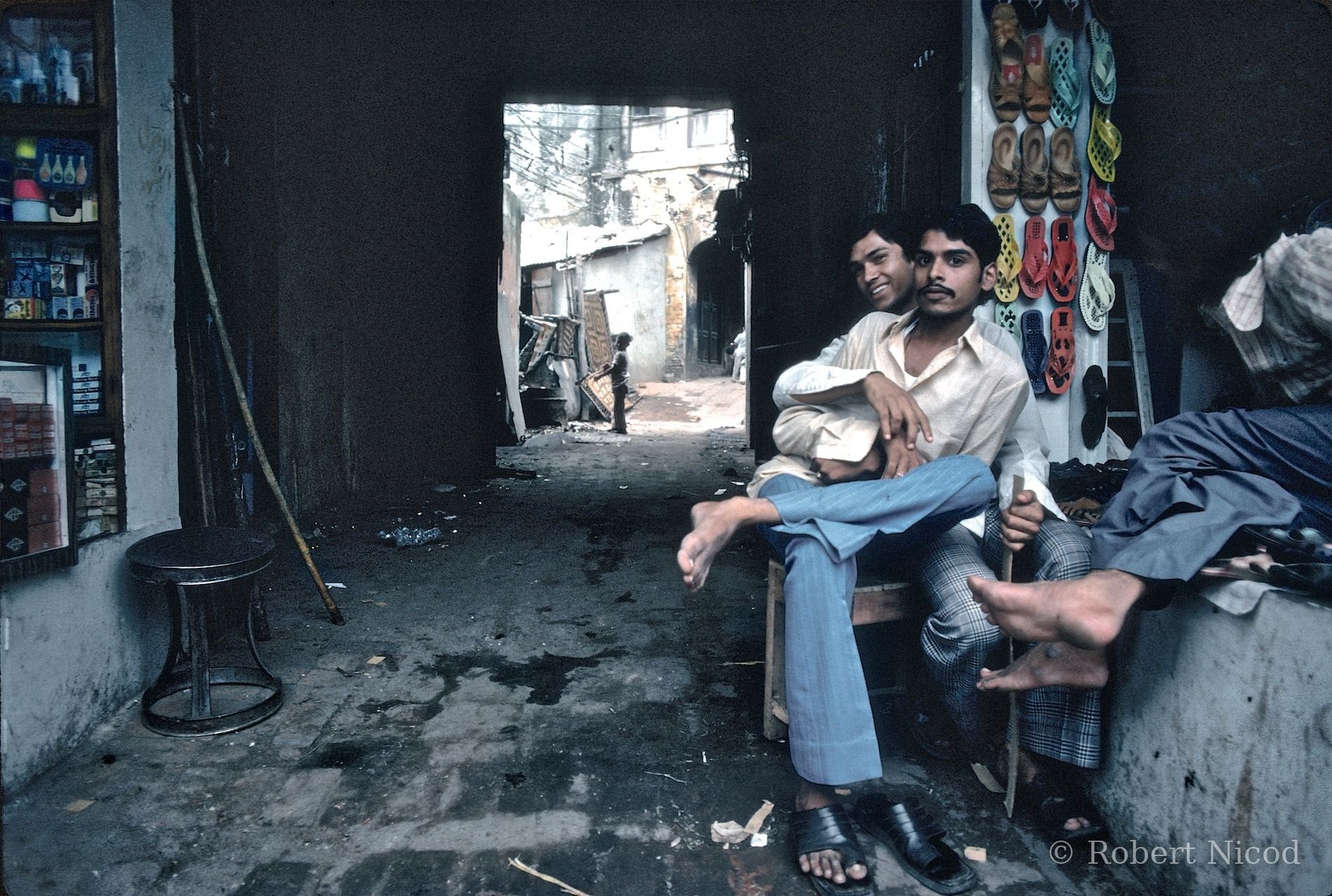
Delhi 1977
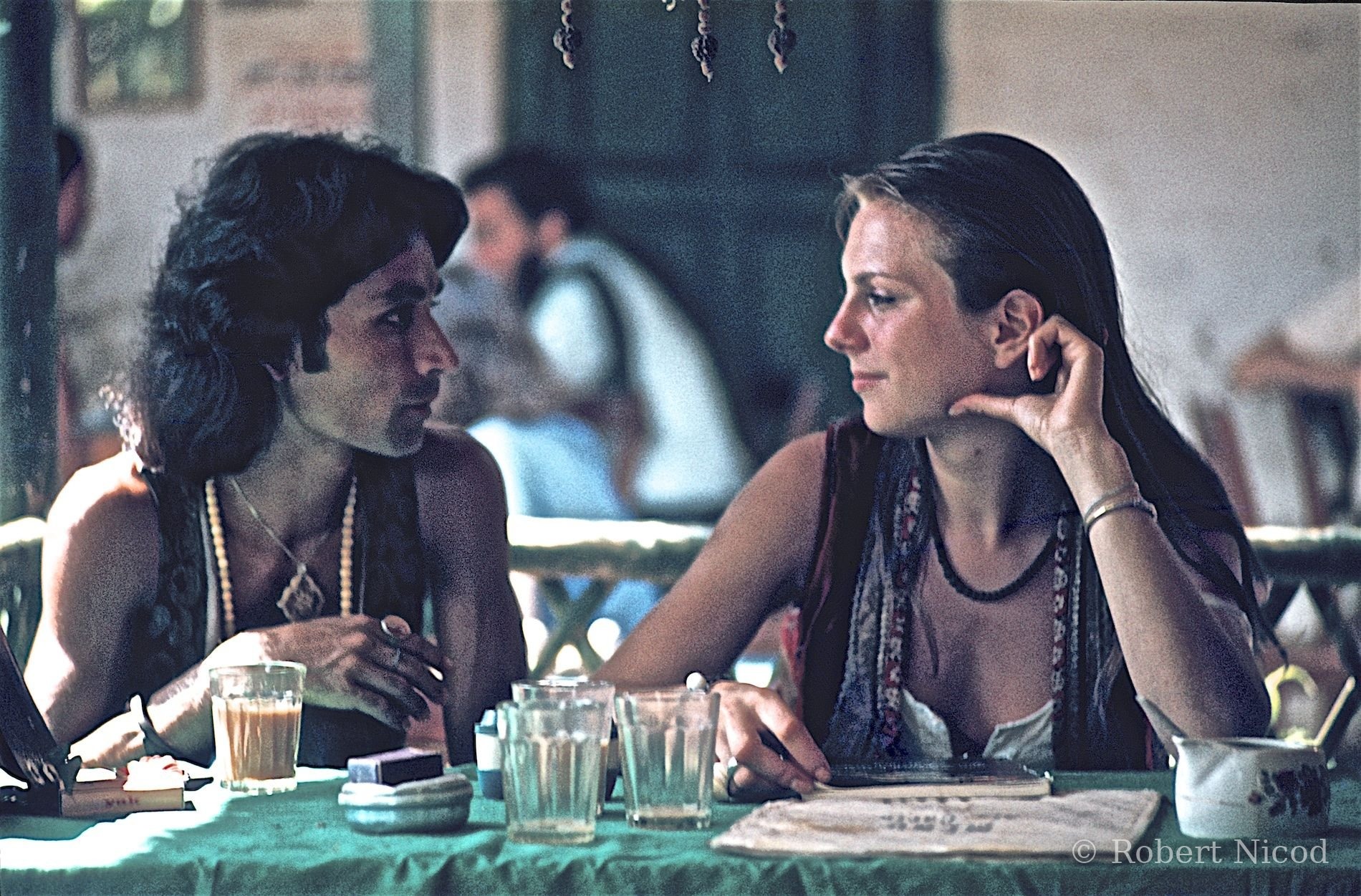
Delhi 1977
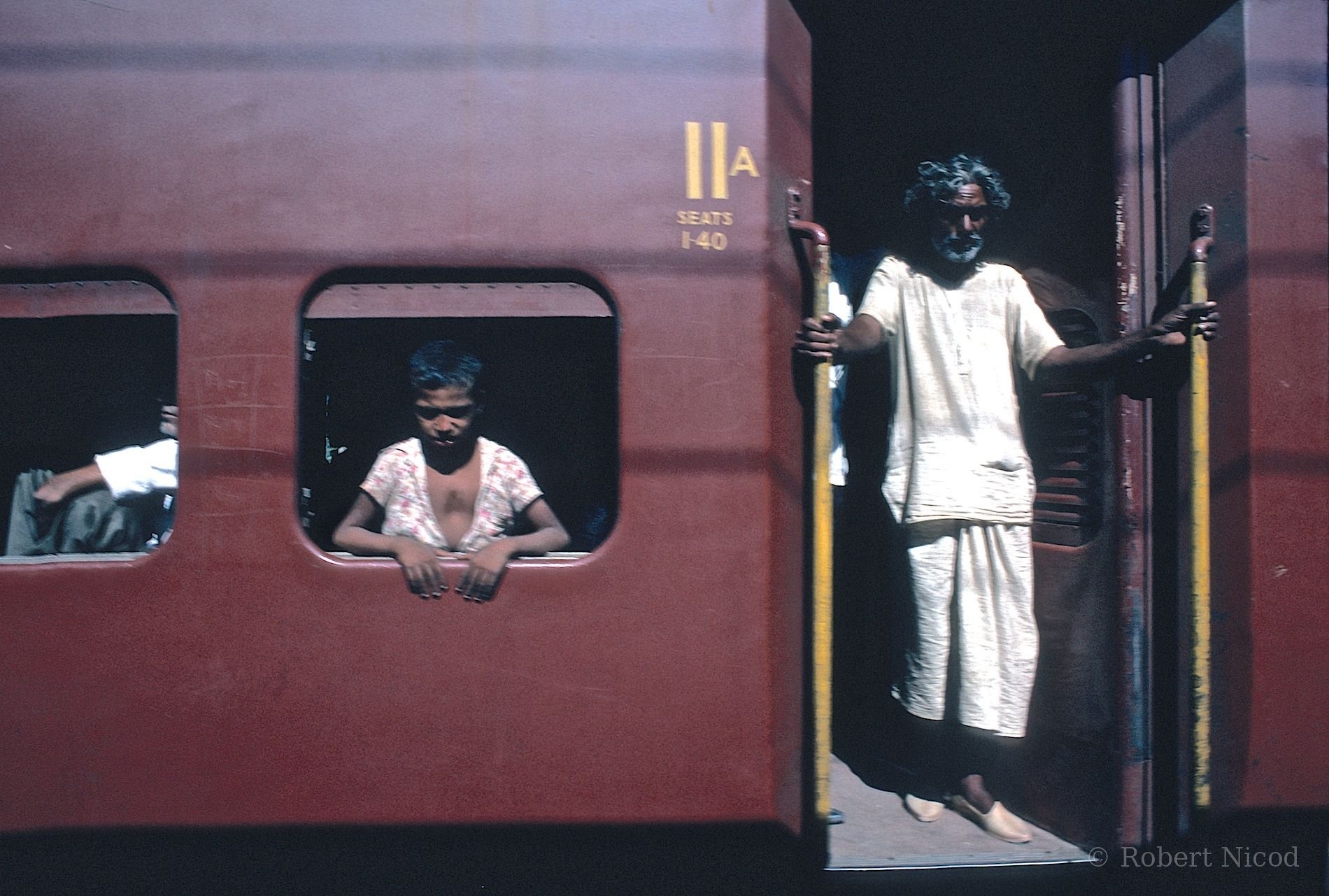
Delhi 1977
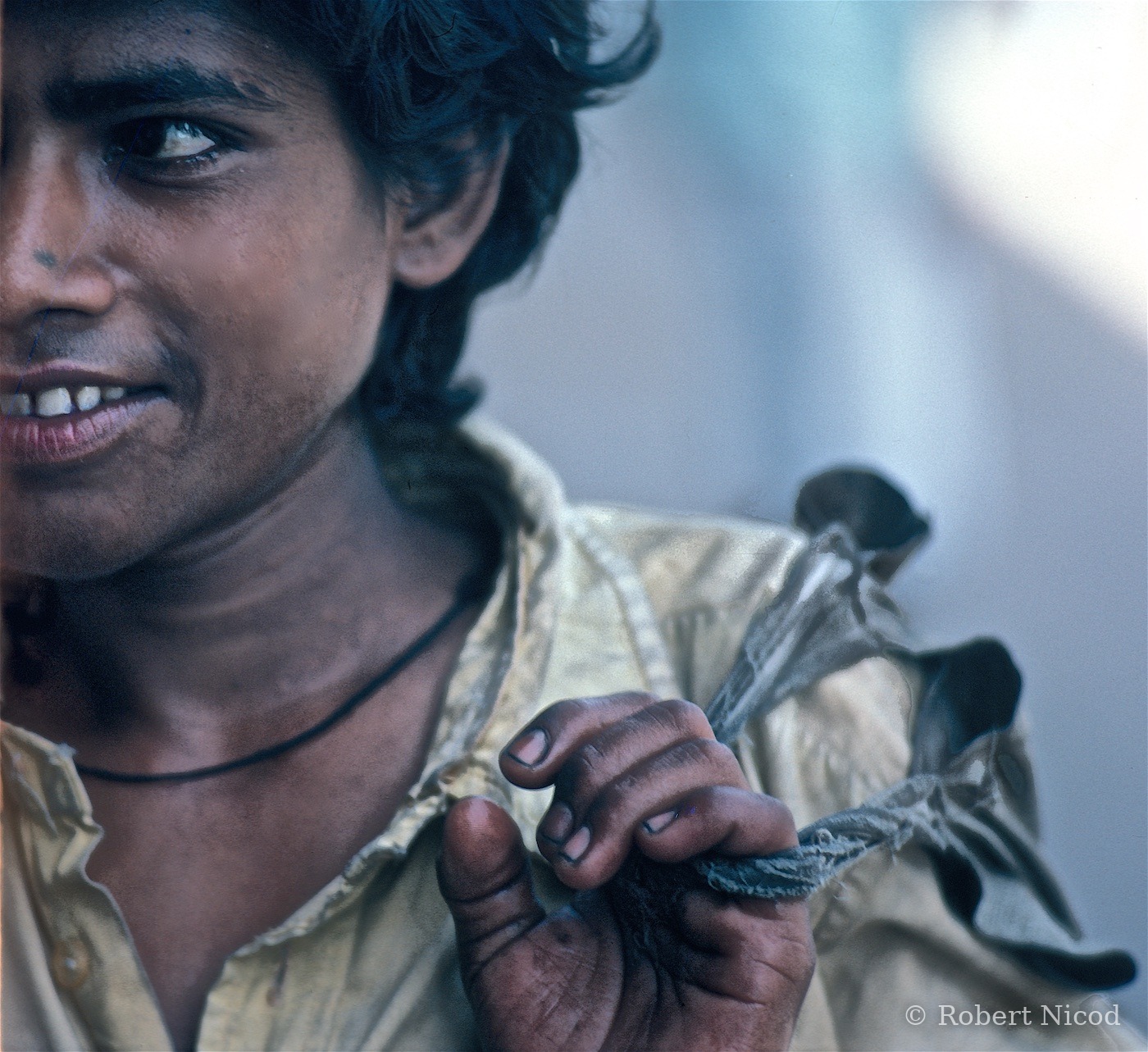
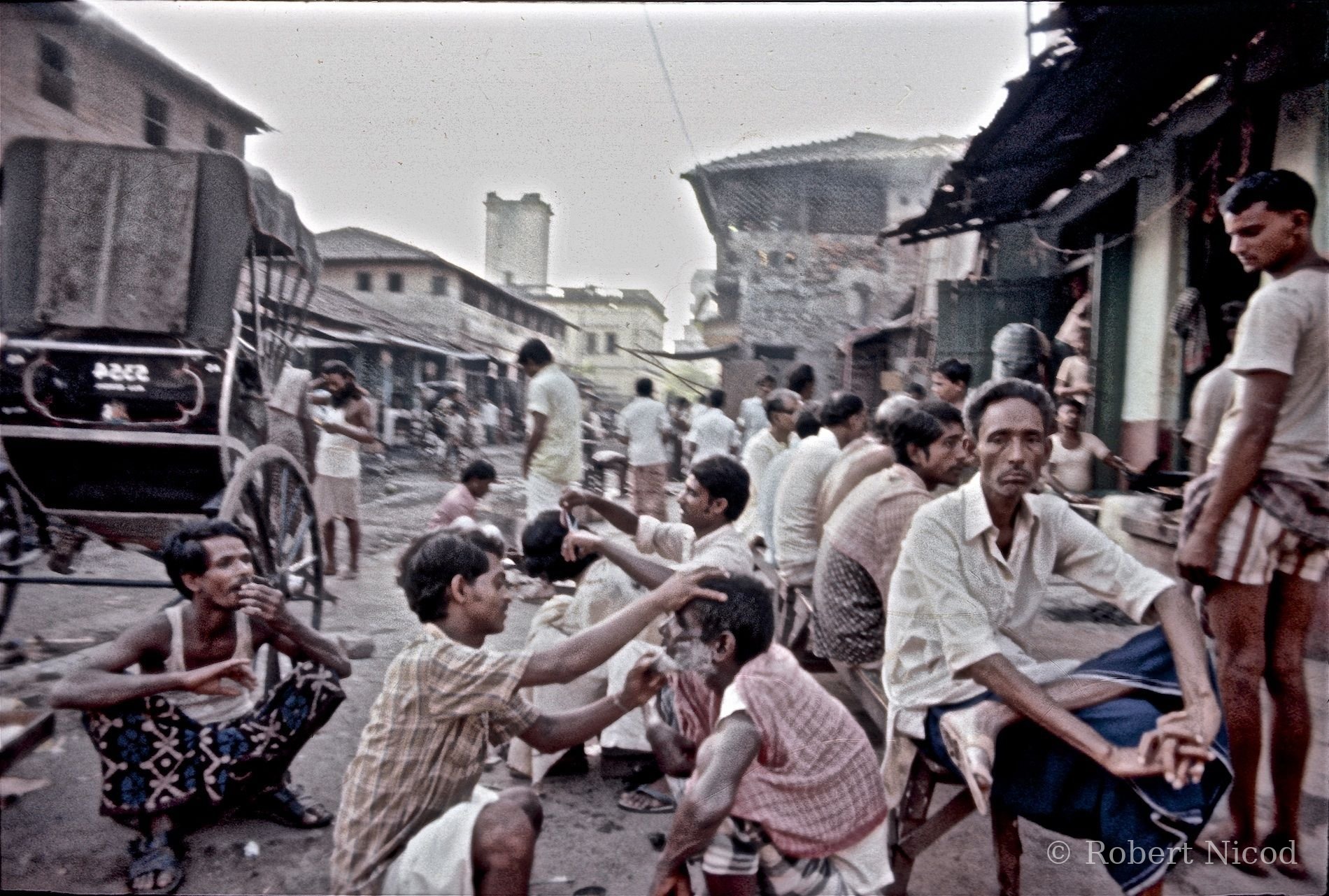
Delhi 1977
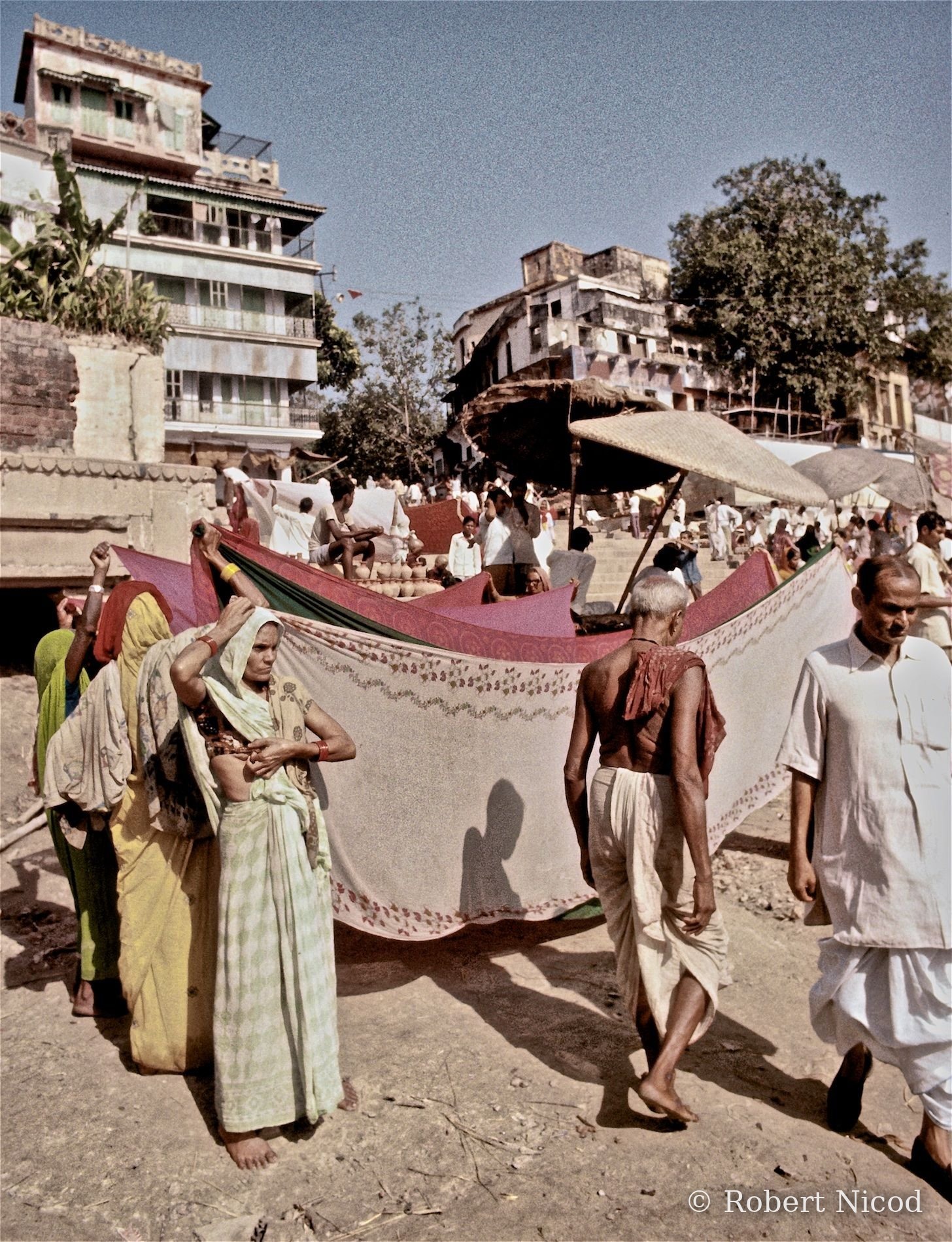
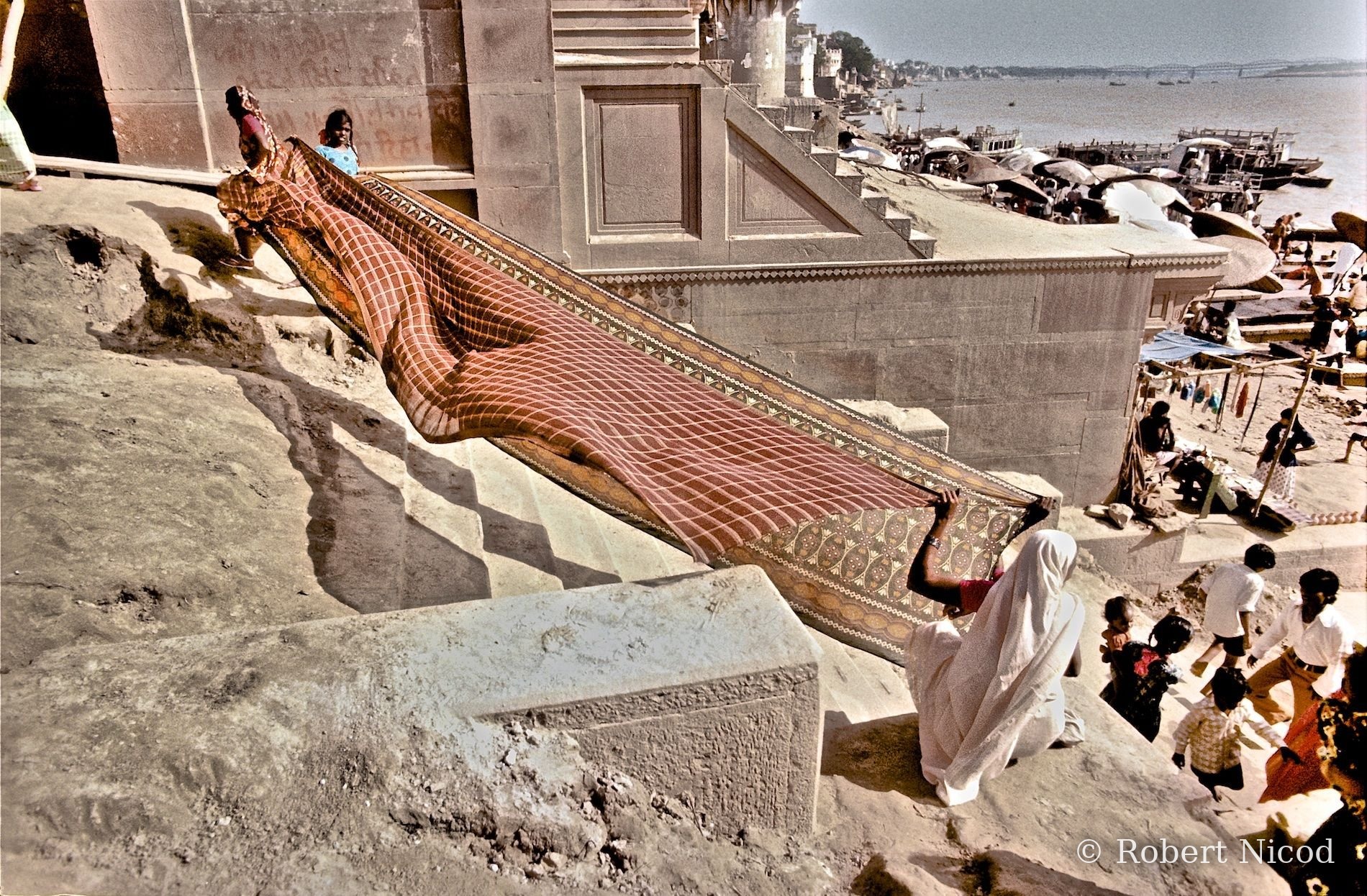
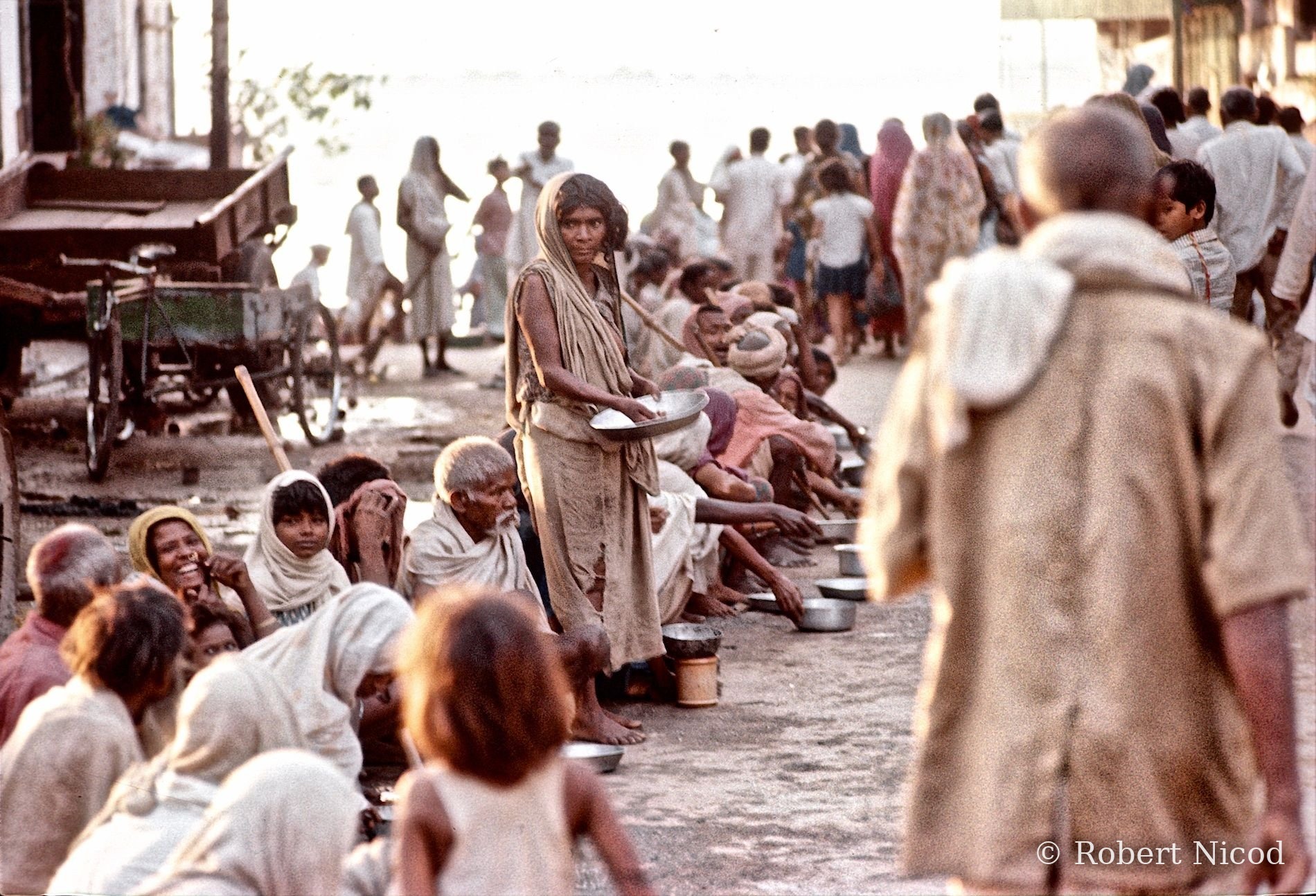
Delhi 1977
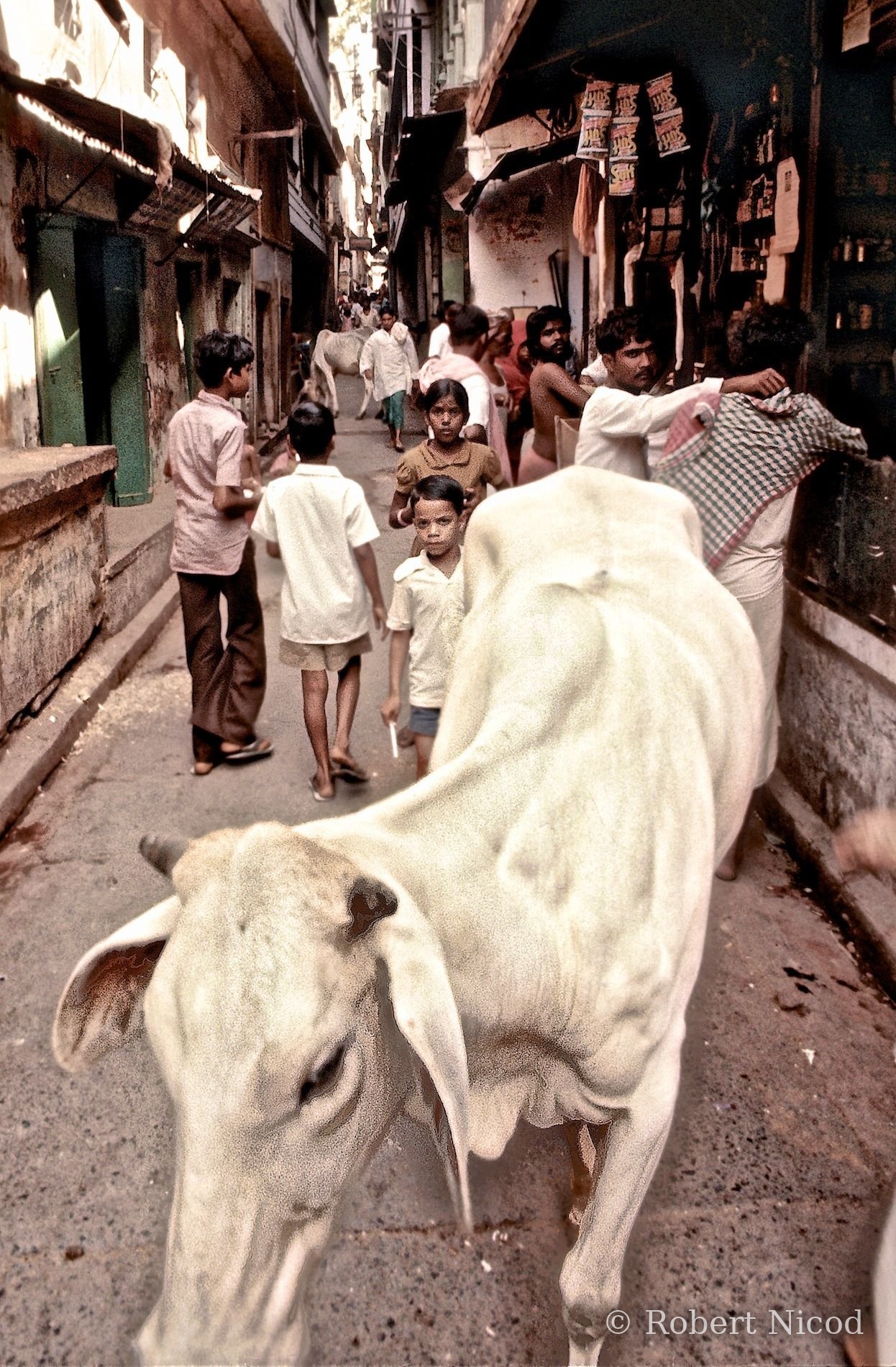
Delhi 1977
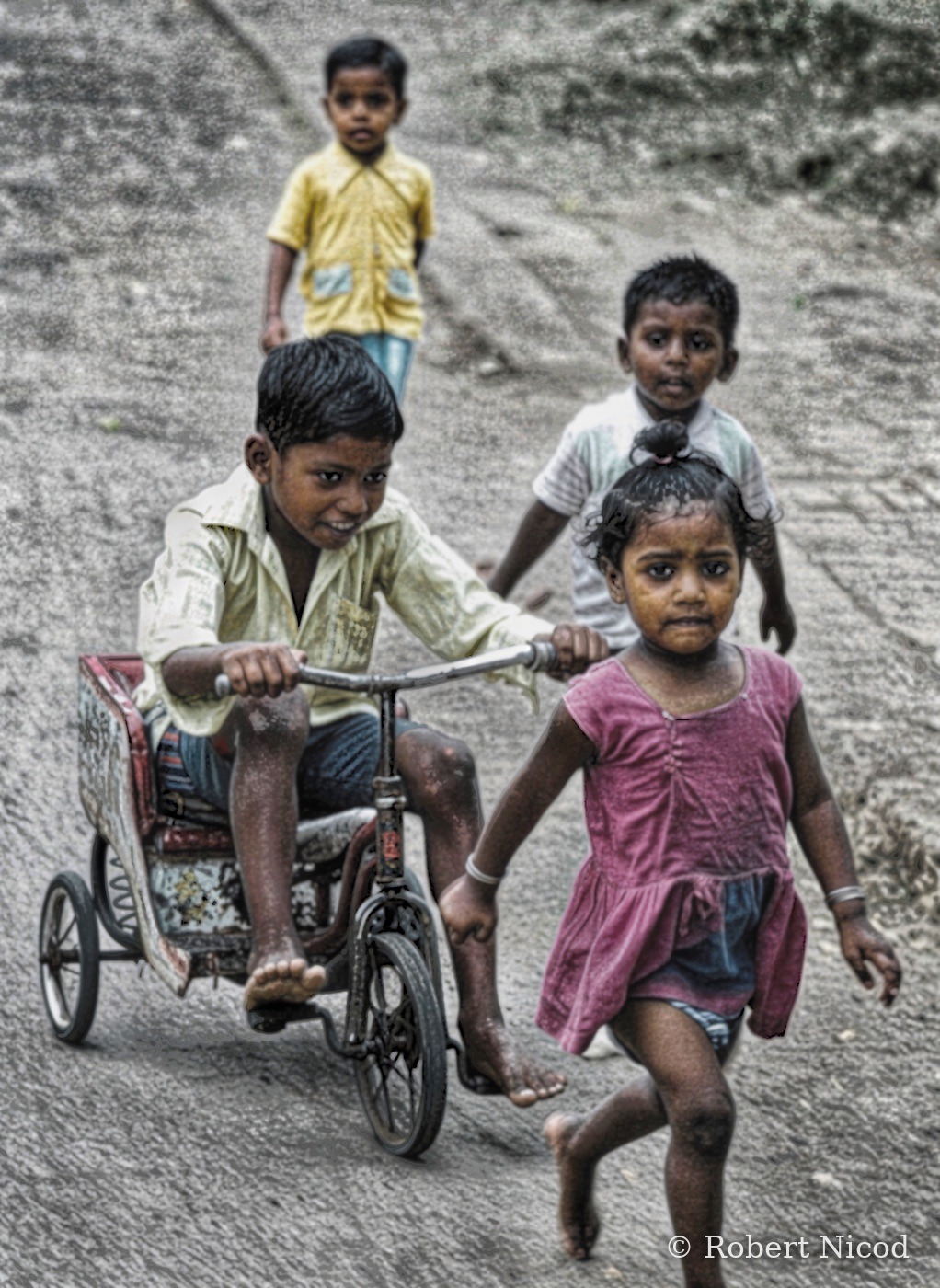
Delhi 1977
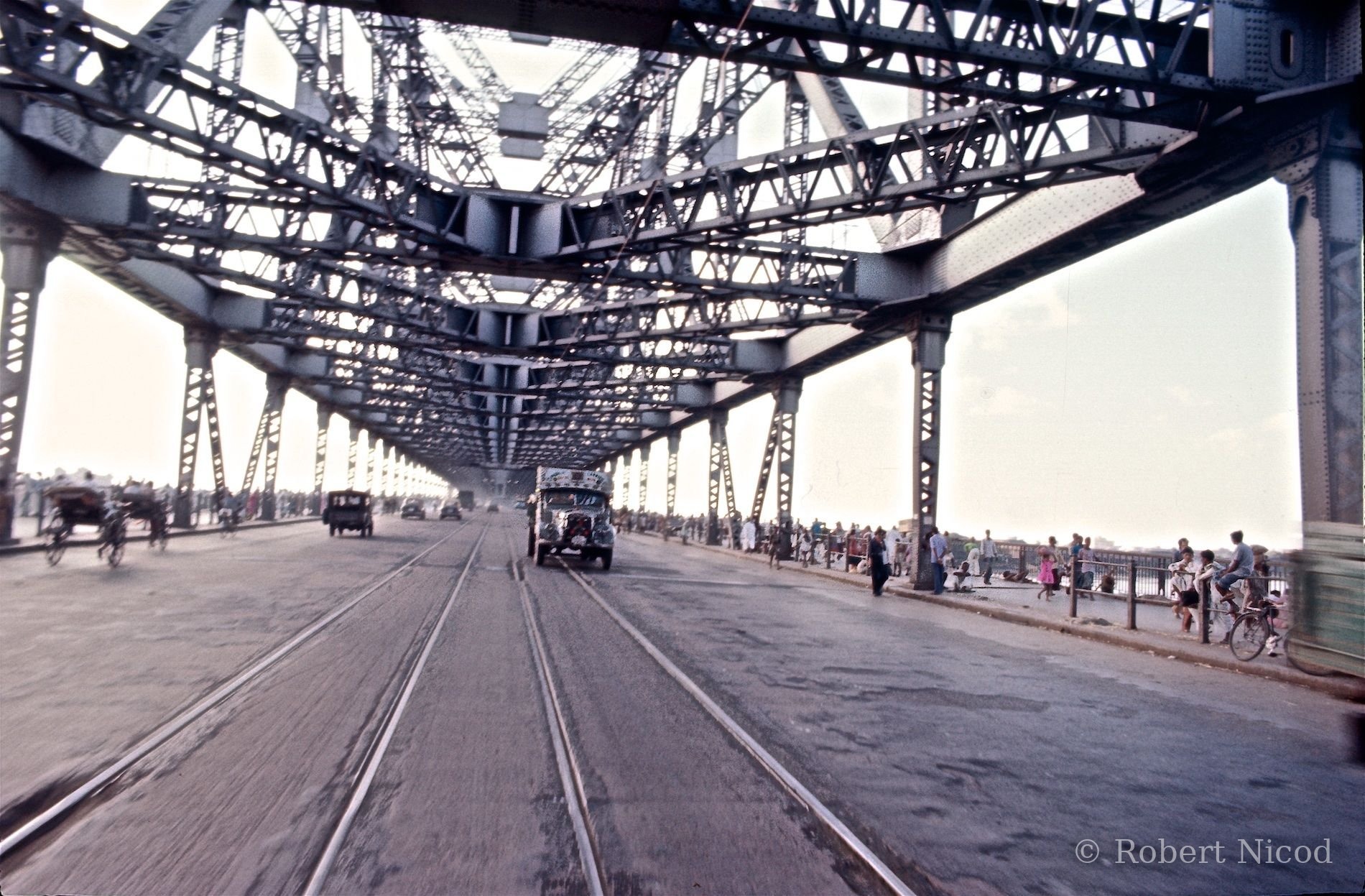
Calcutta 1977
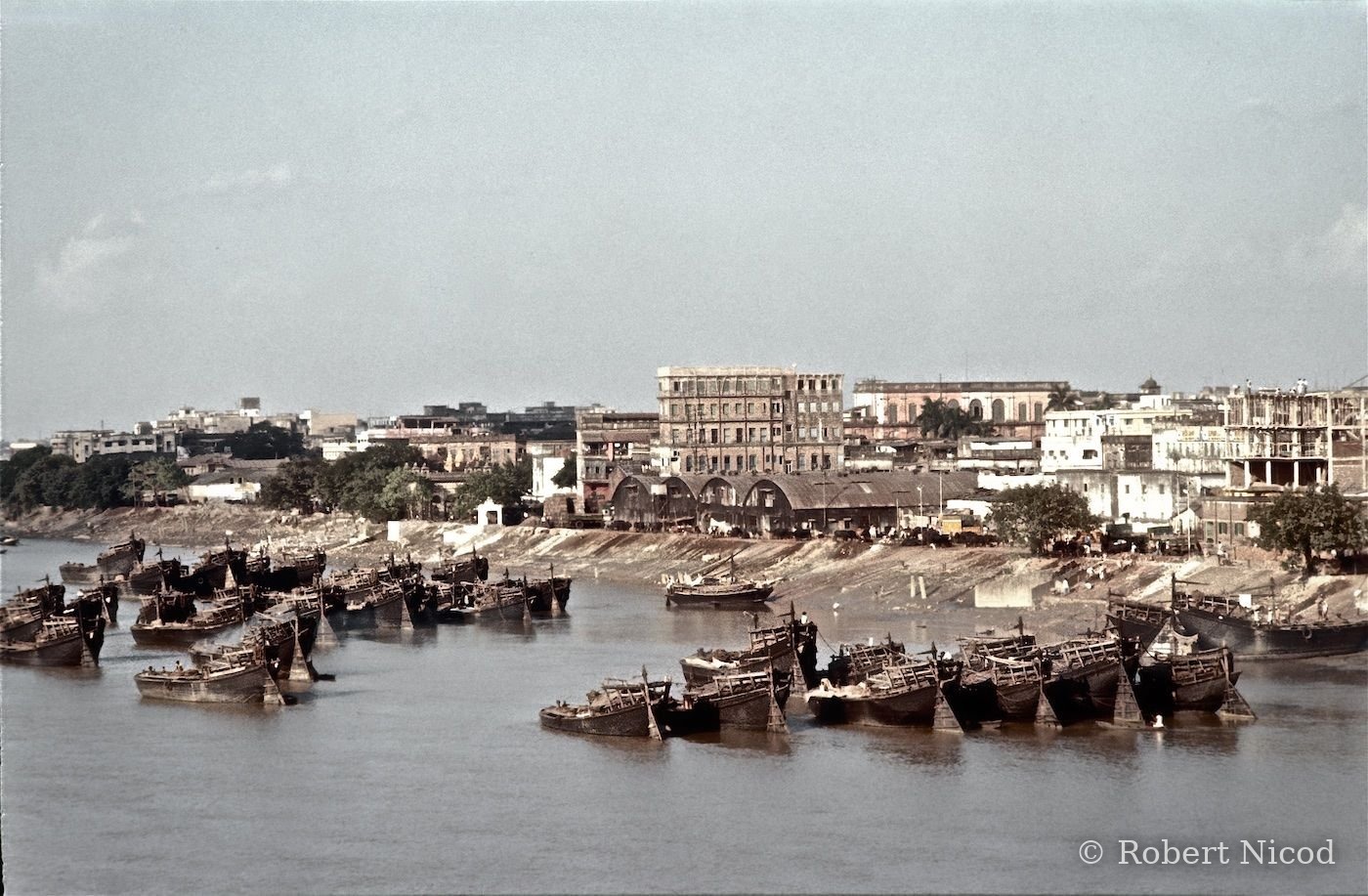
Calcutta 1977
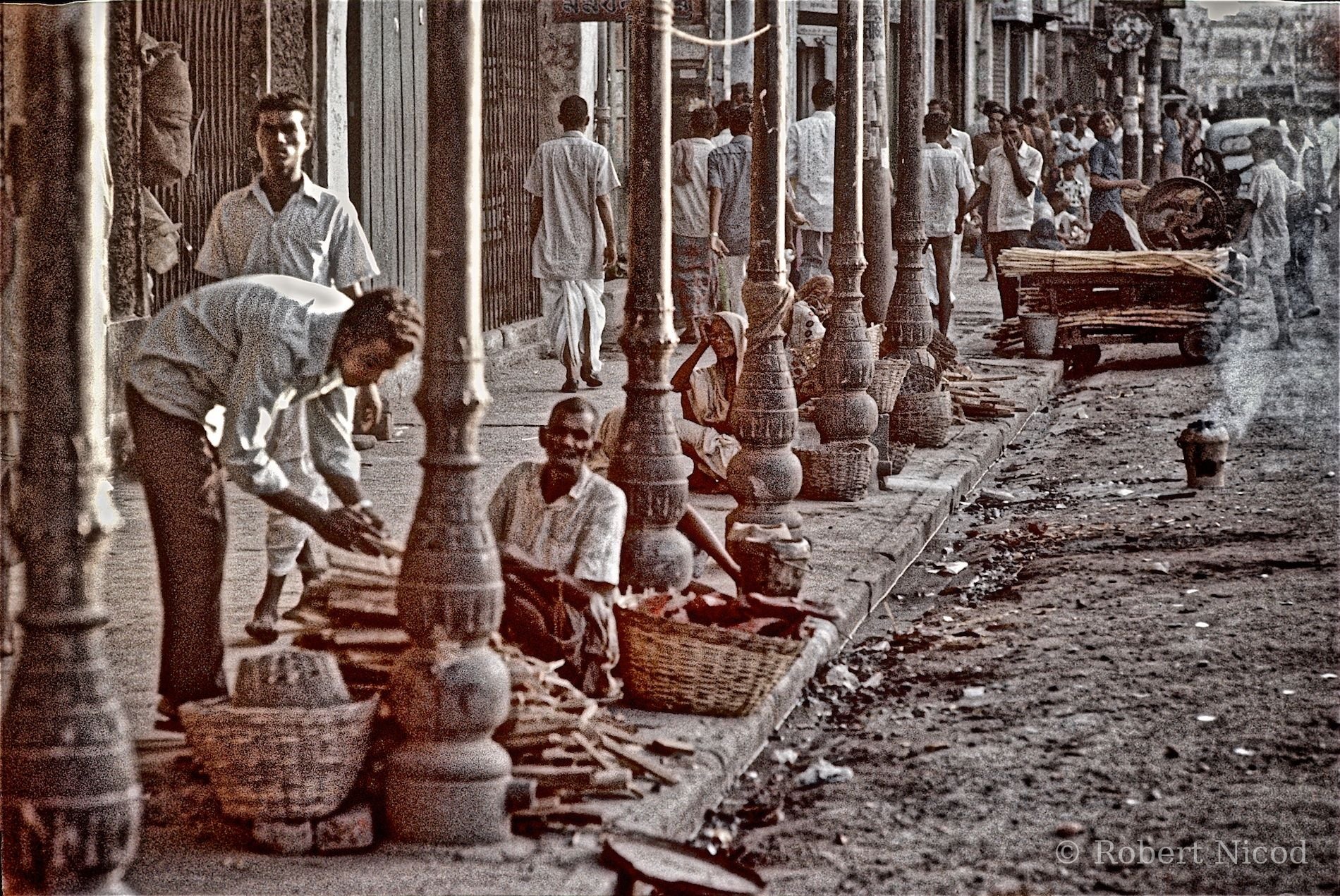
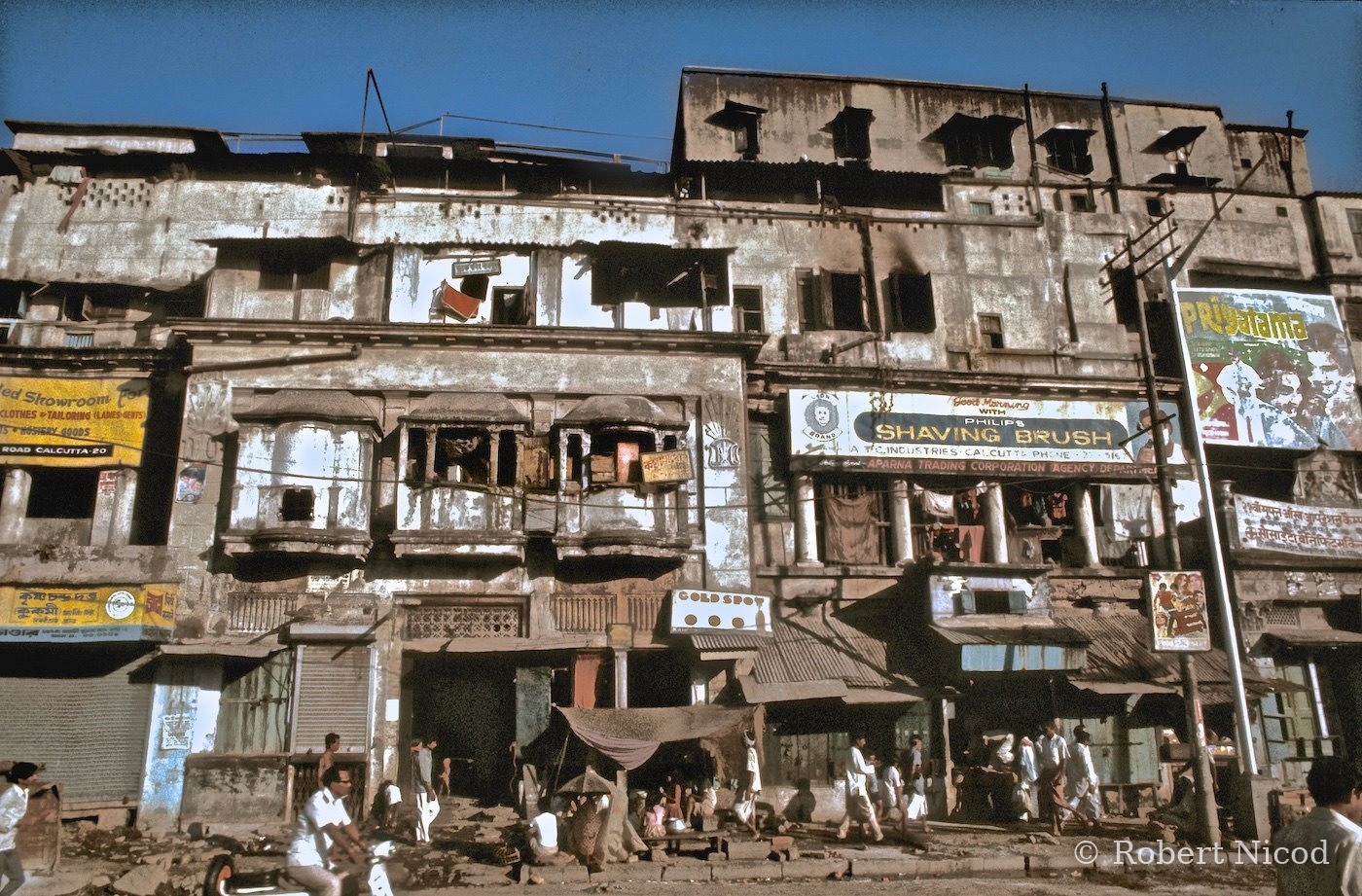
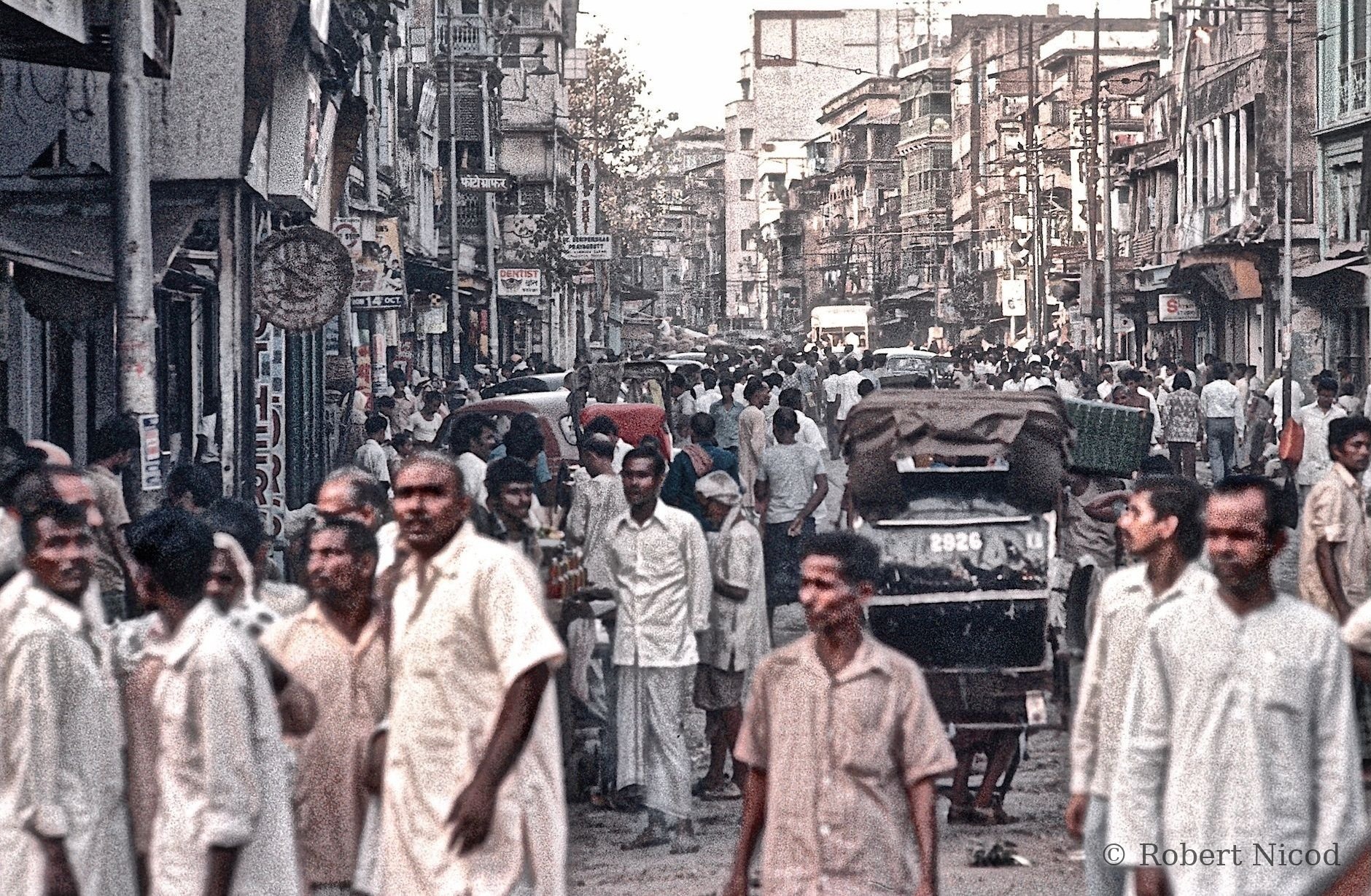
Calcutta 1977
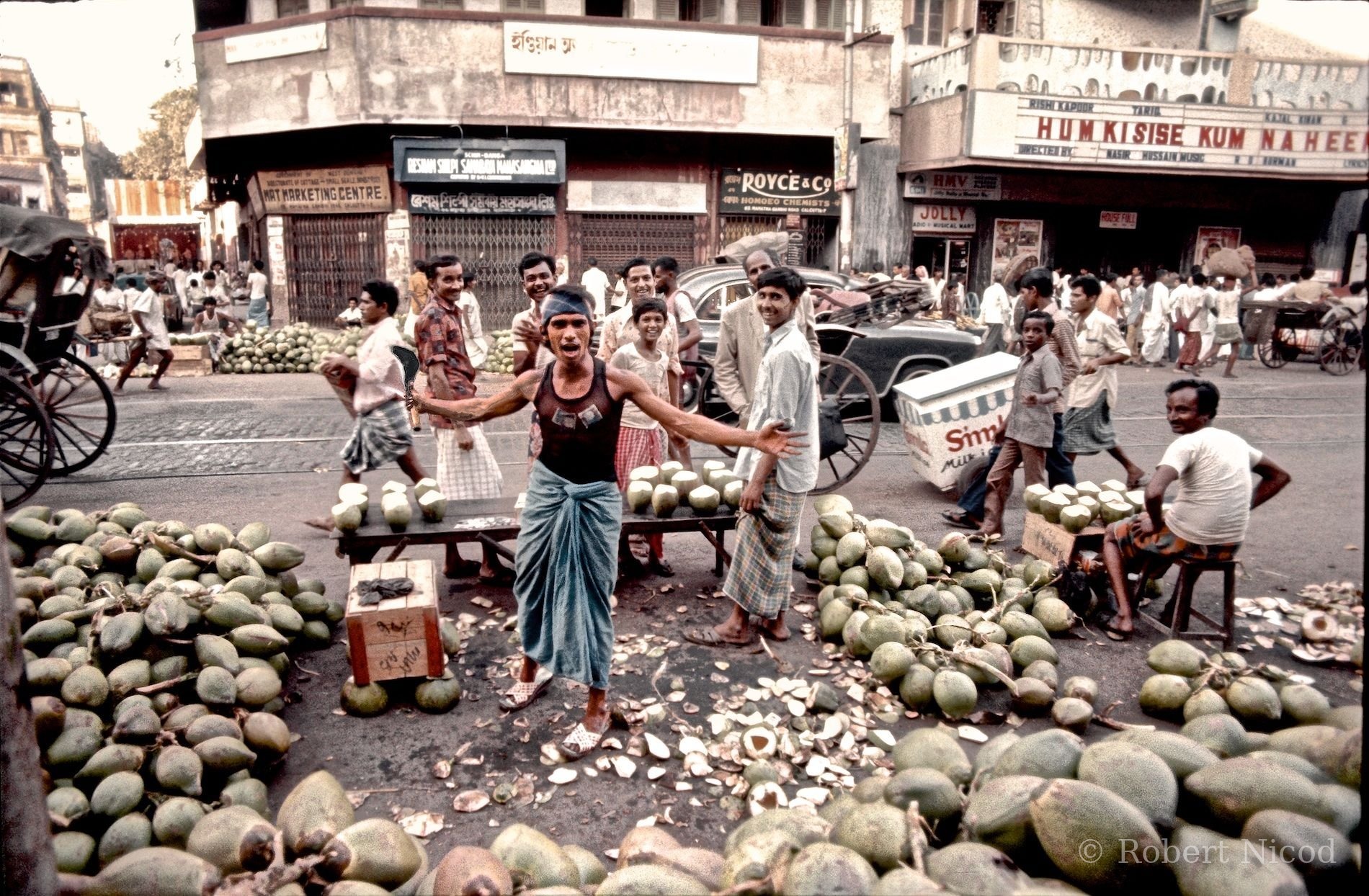
Calcutta 1977
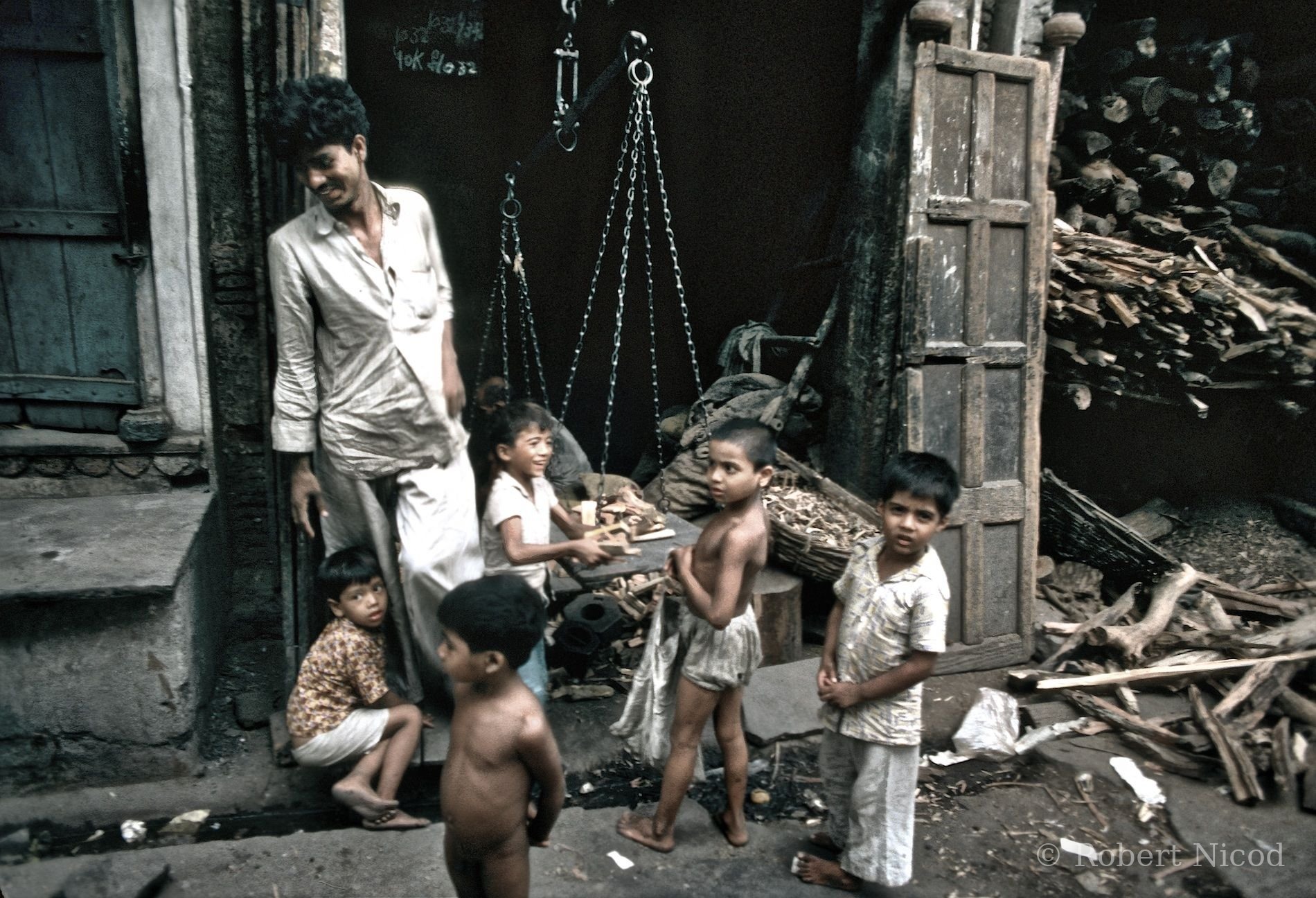
Delhi 1977
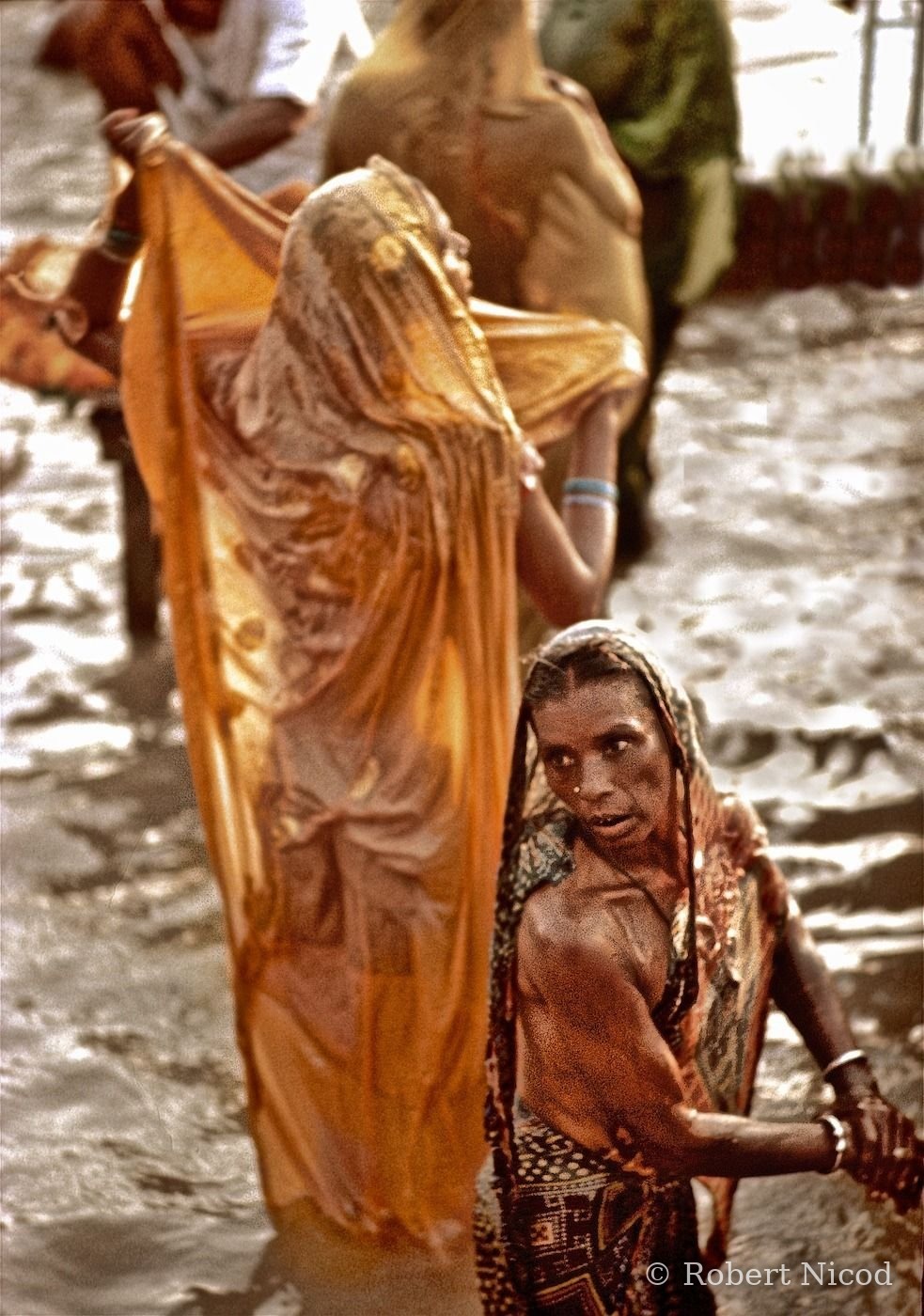
Varanasi 1977
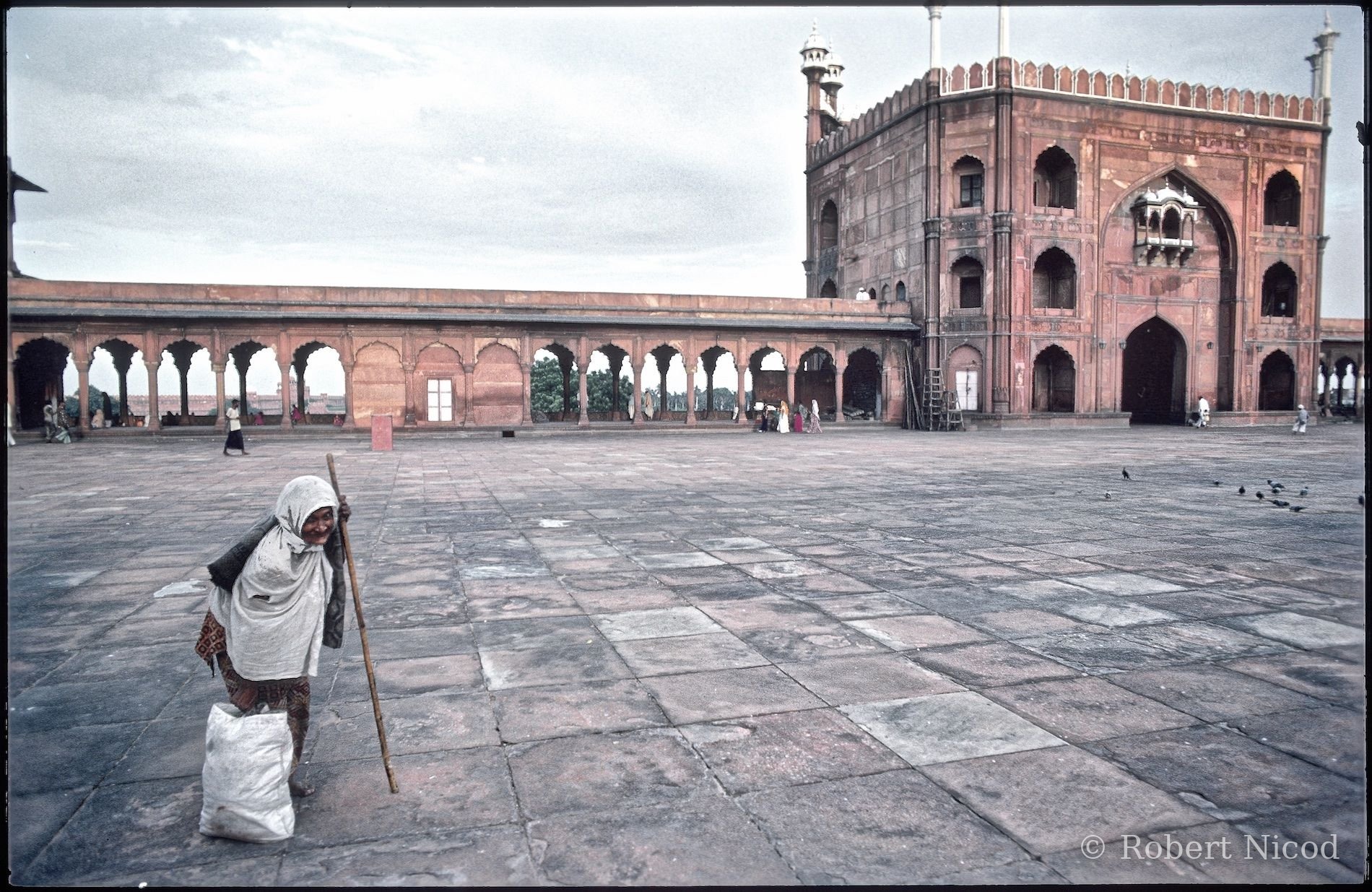
Delhi 1977
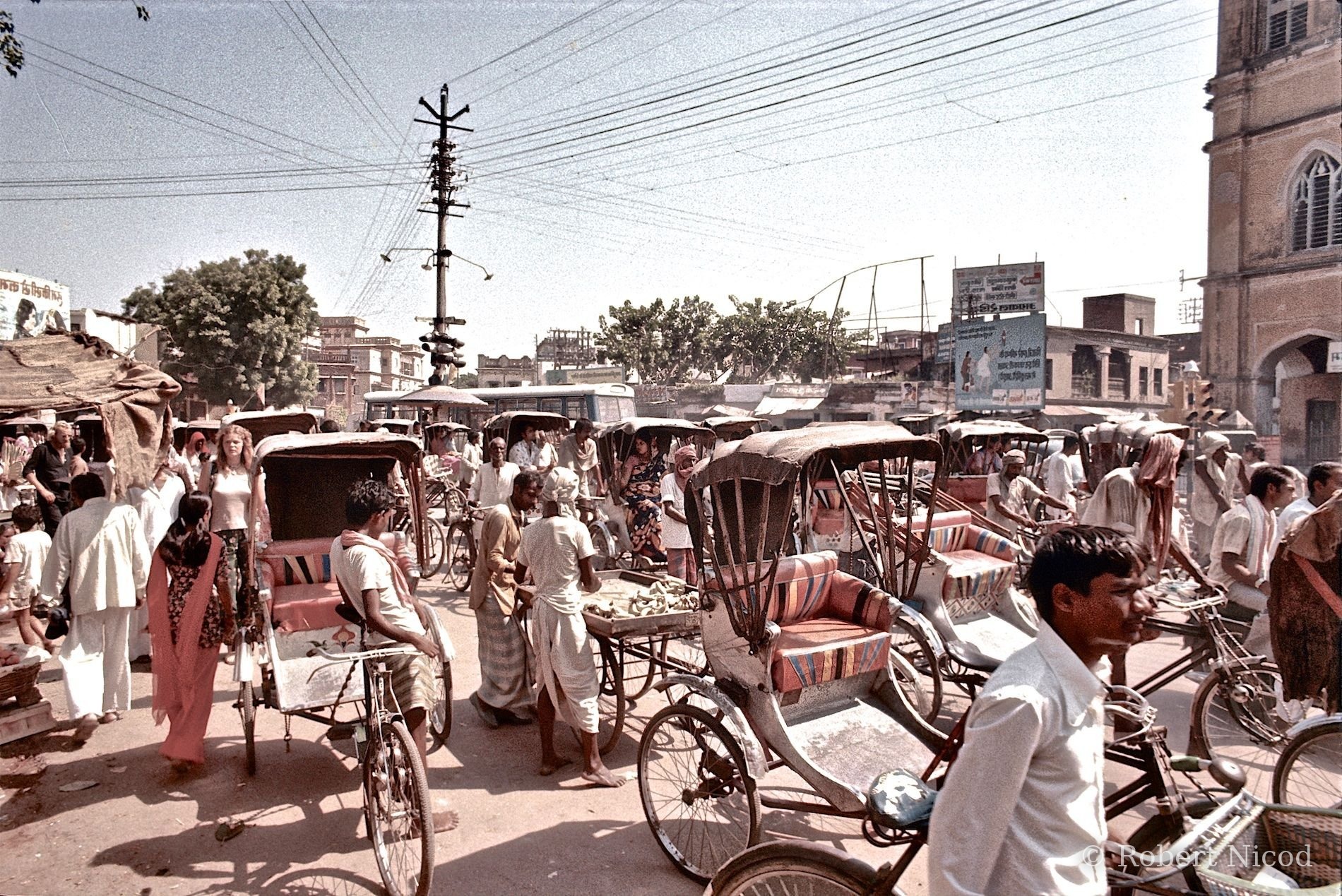
Delhi 1977
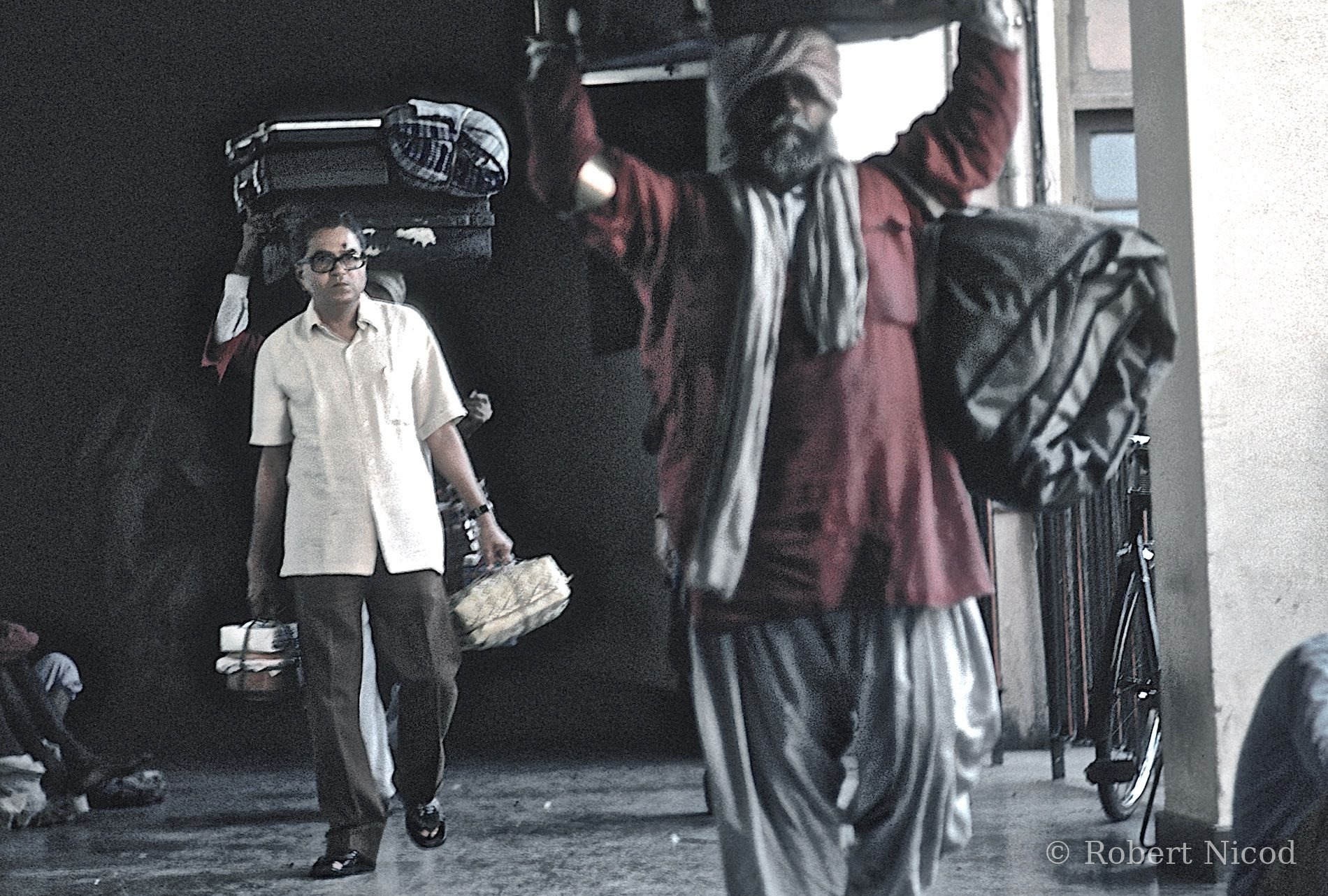
Delhi 1977
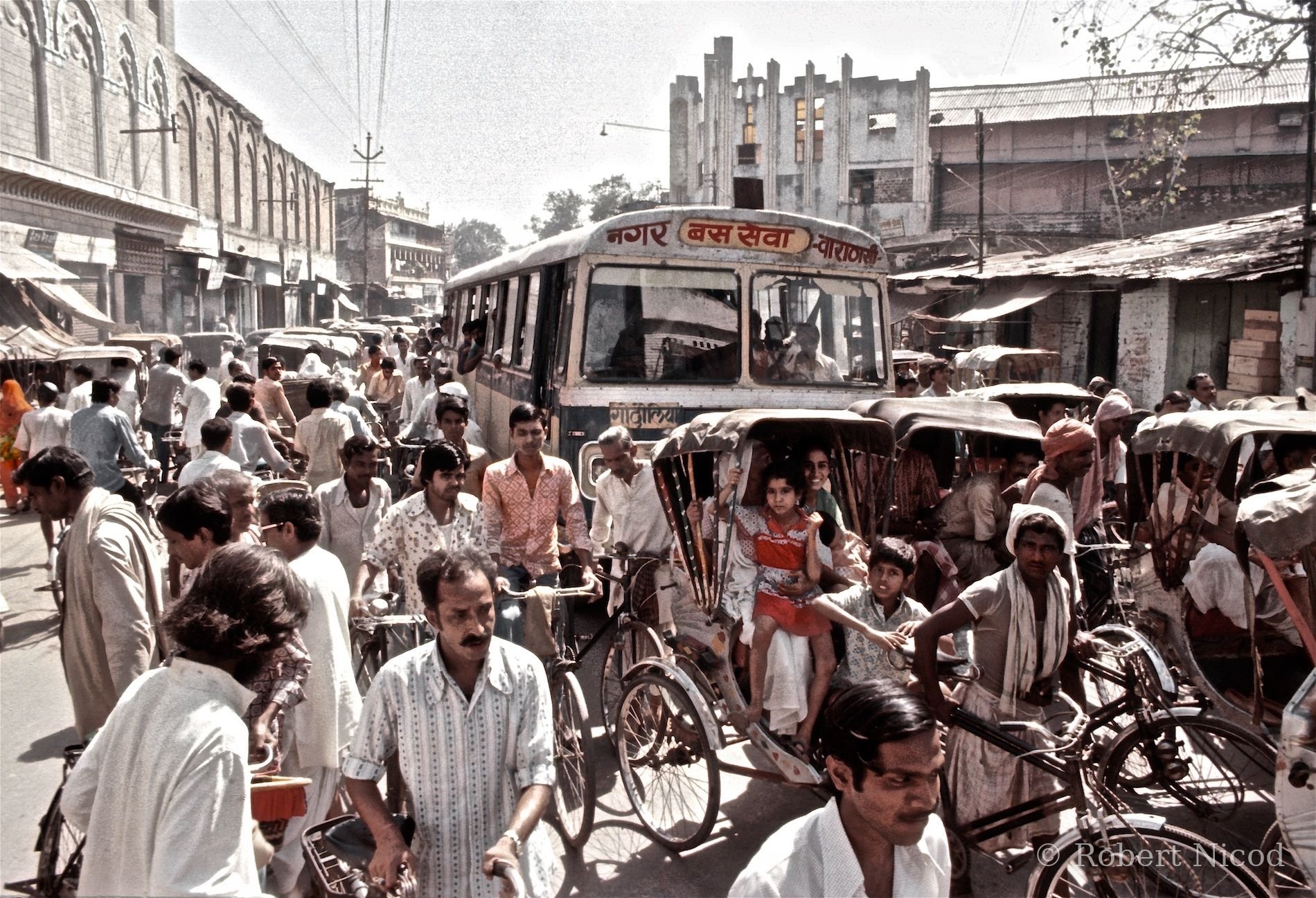
Varanasi 1977
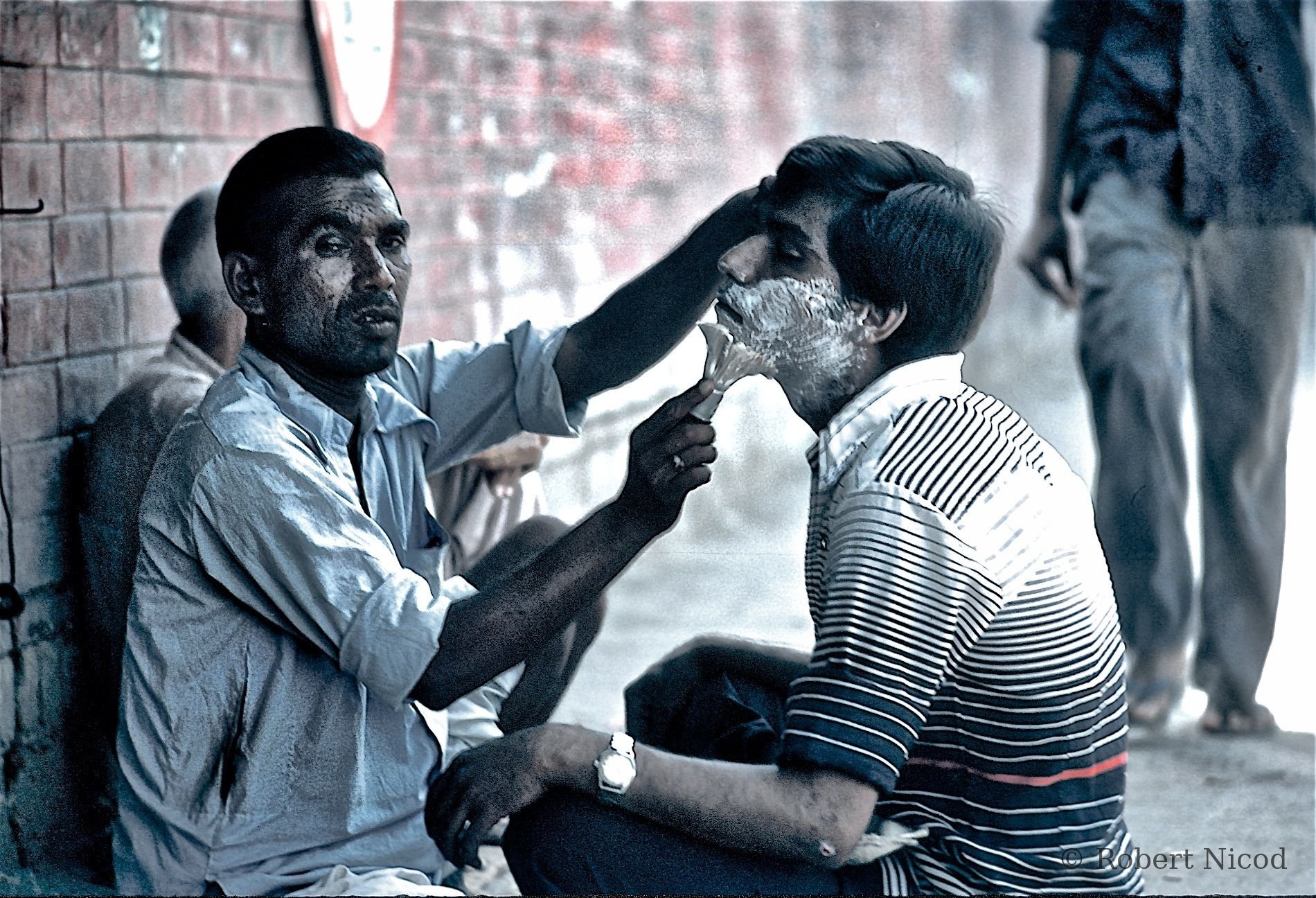
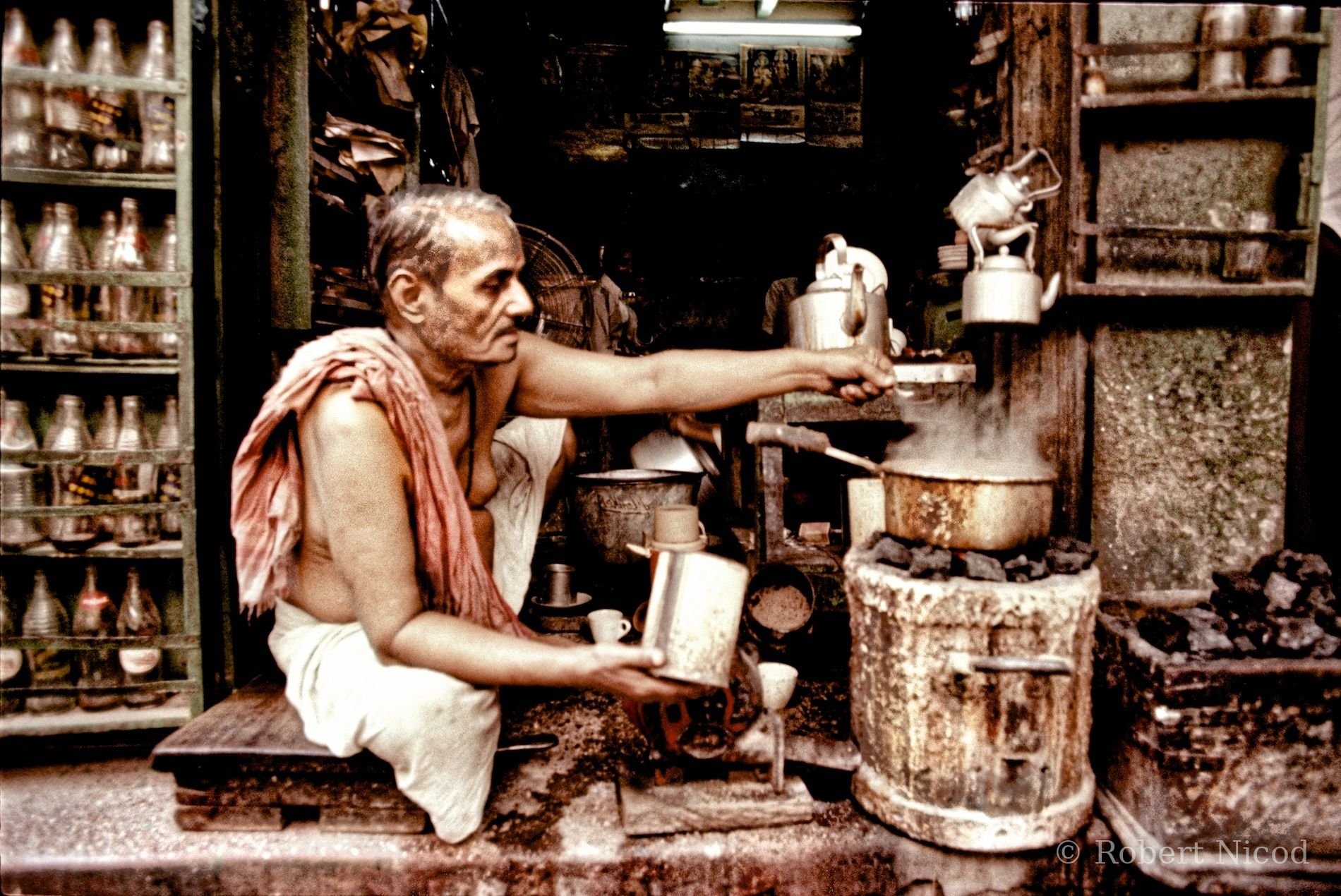
Delhi 1977
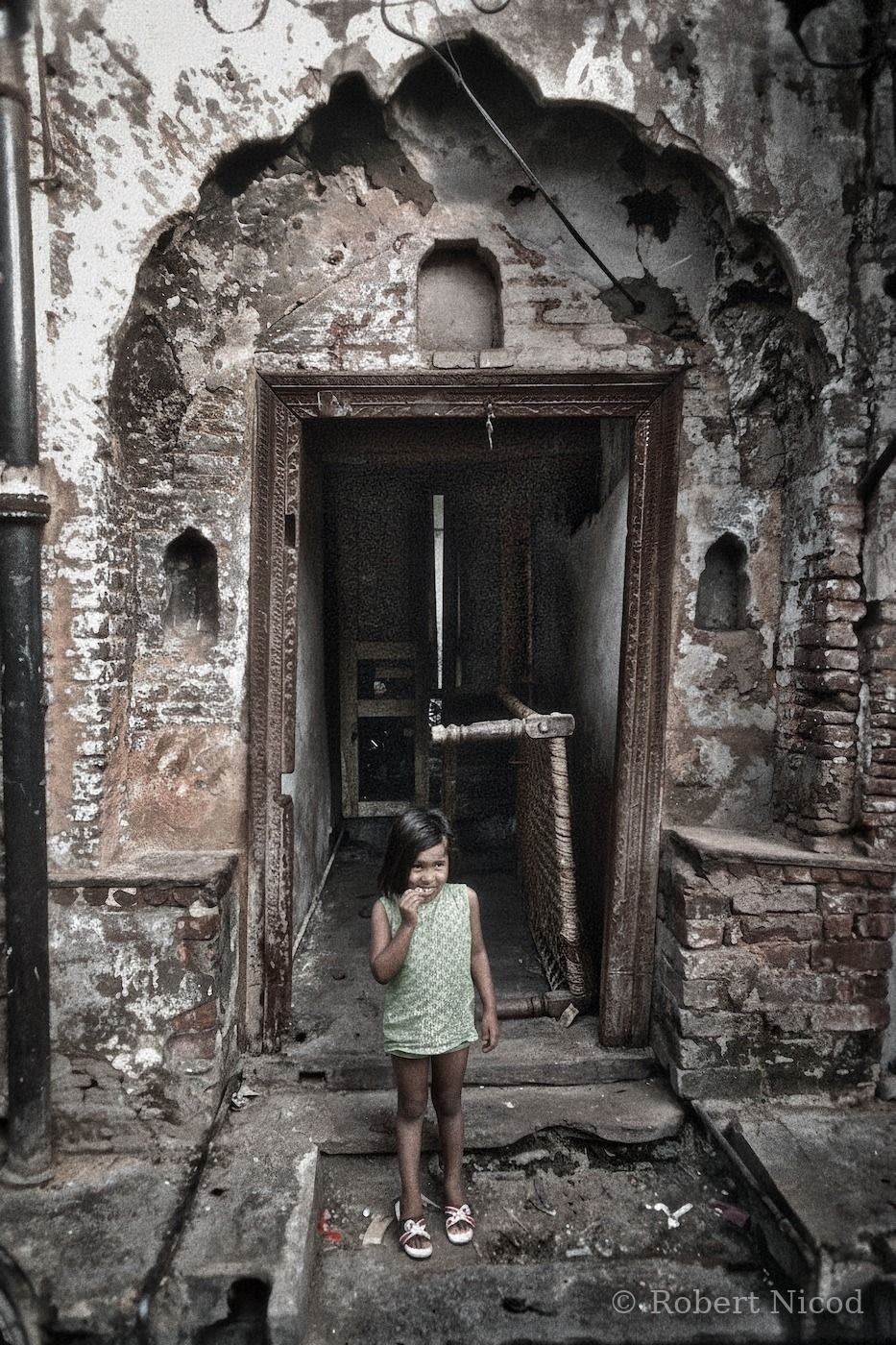
Delhi 1977
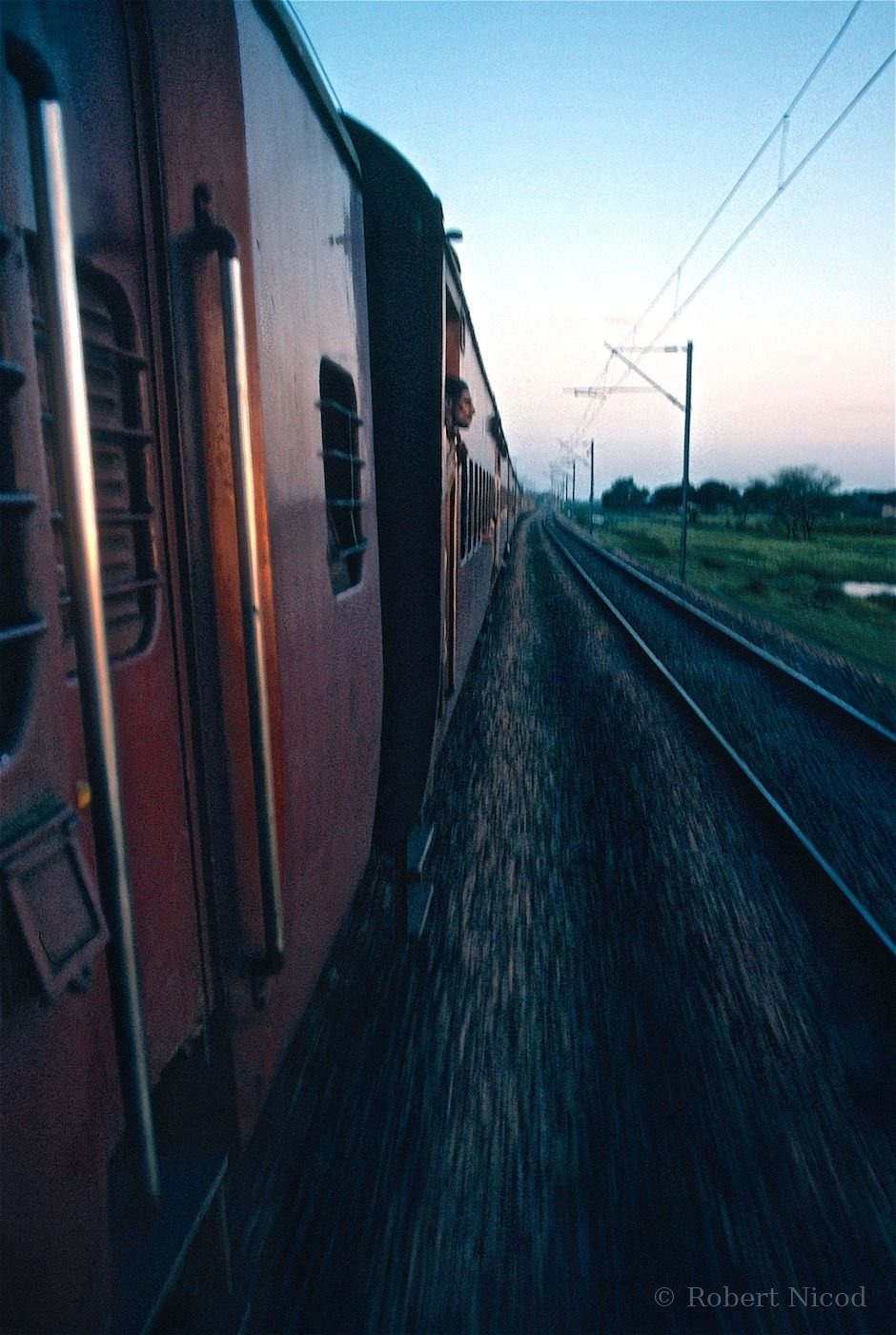
Delhi 1977
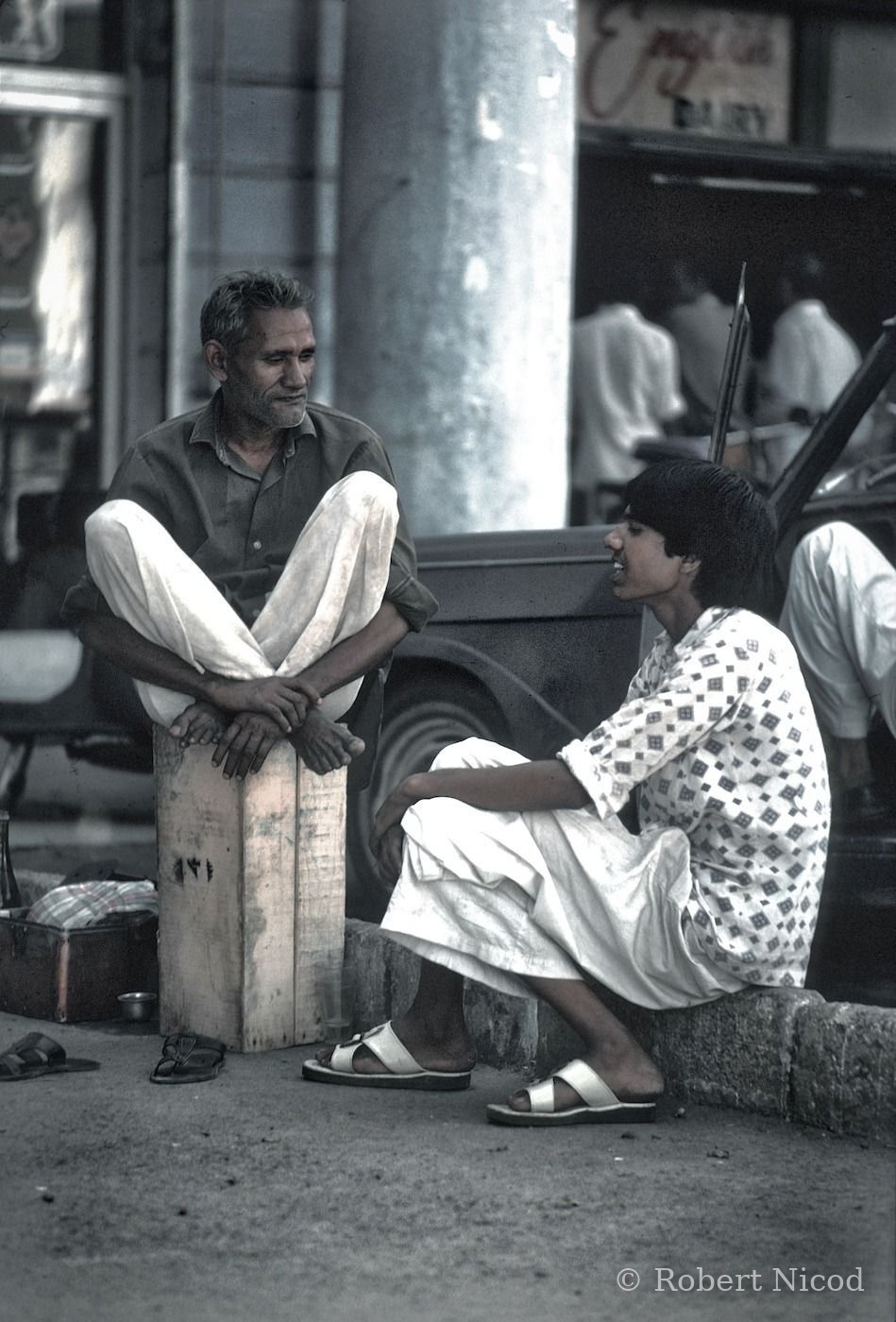
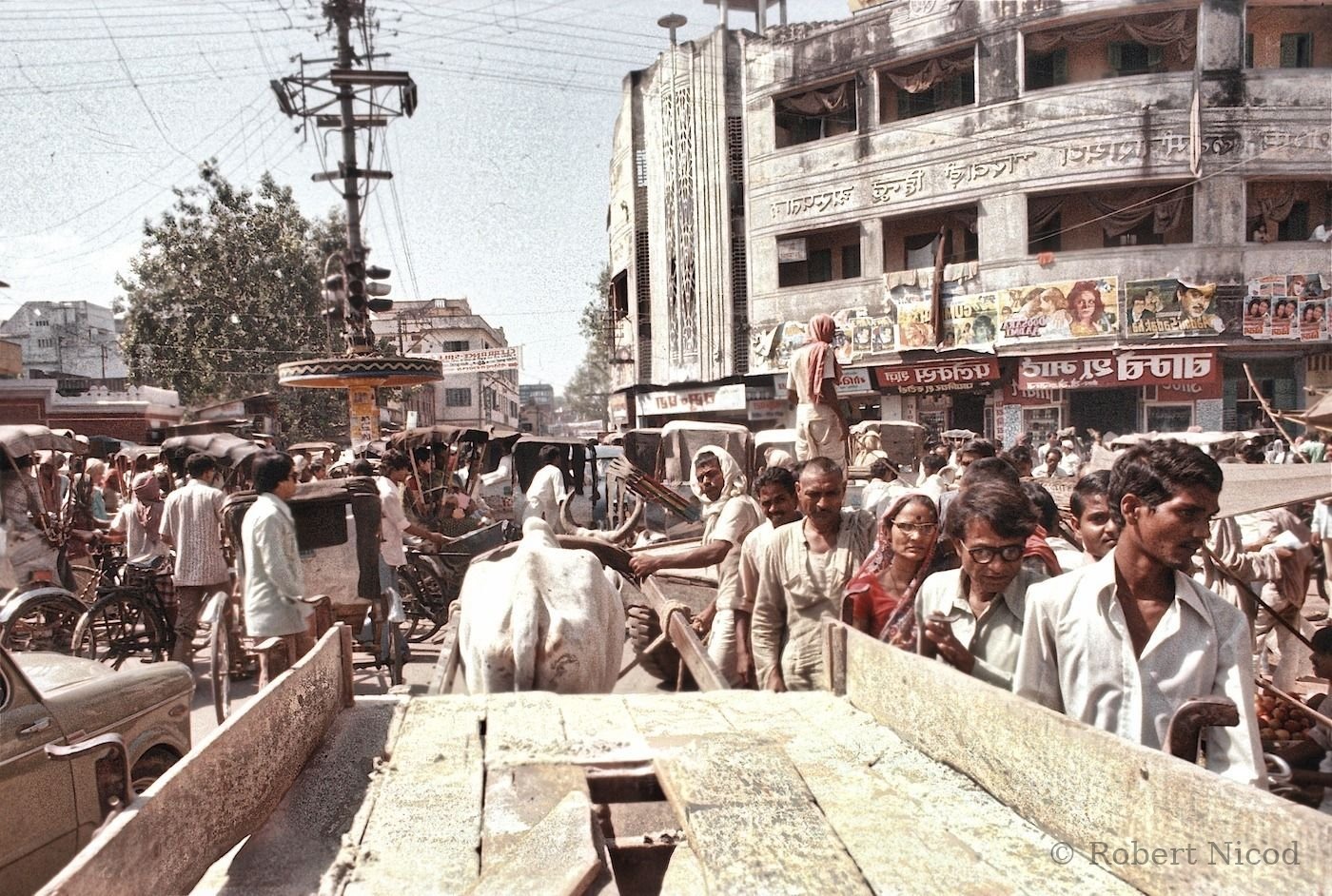
Delhi 1977
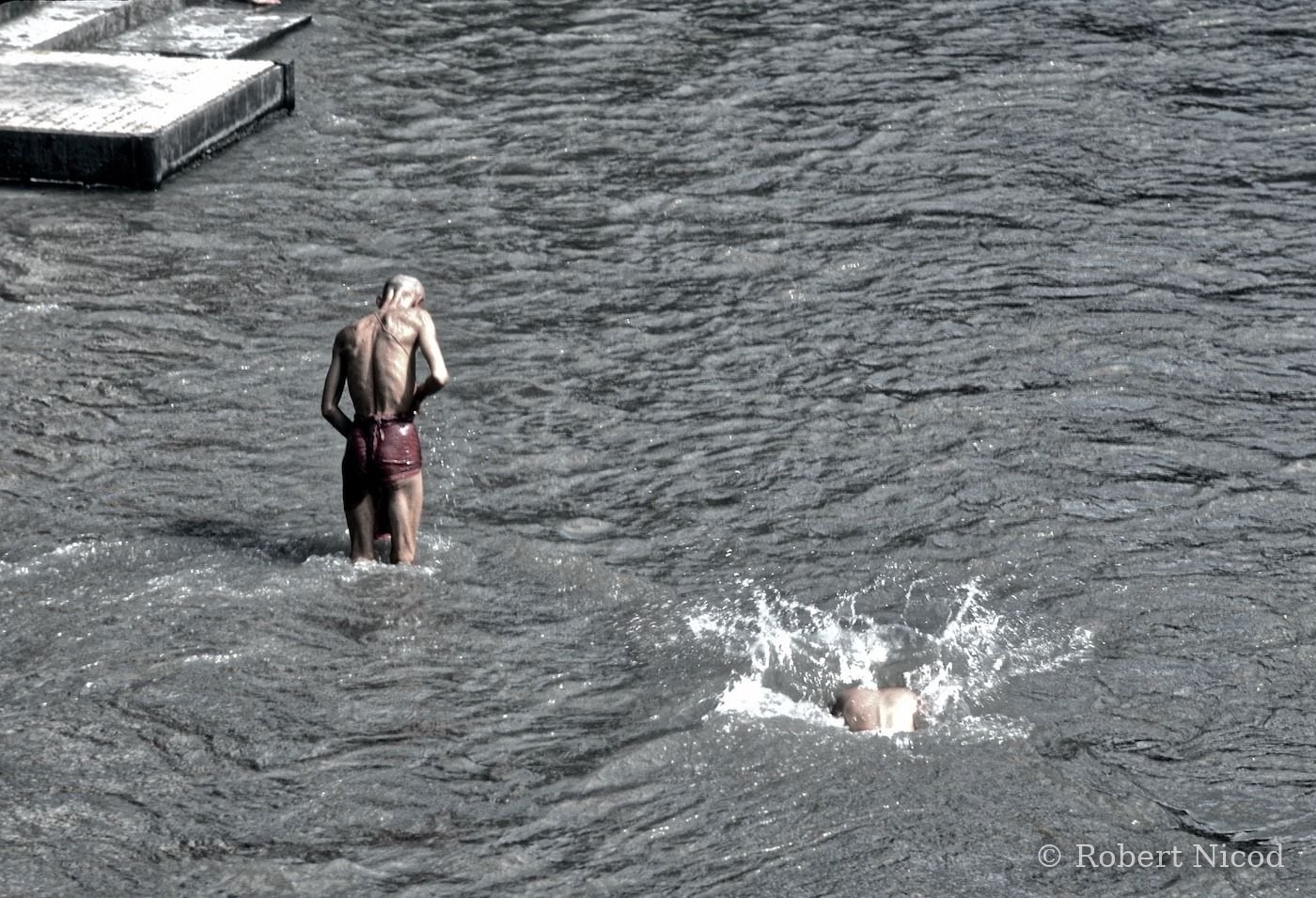
Varanasi 1977
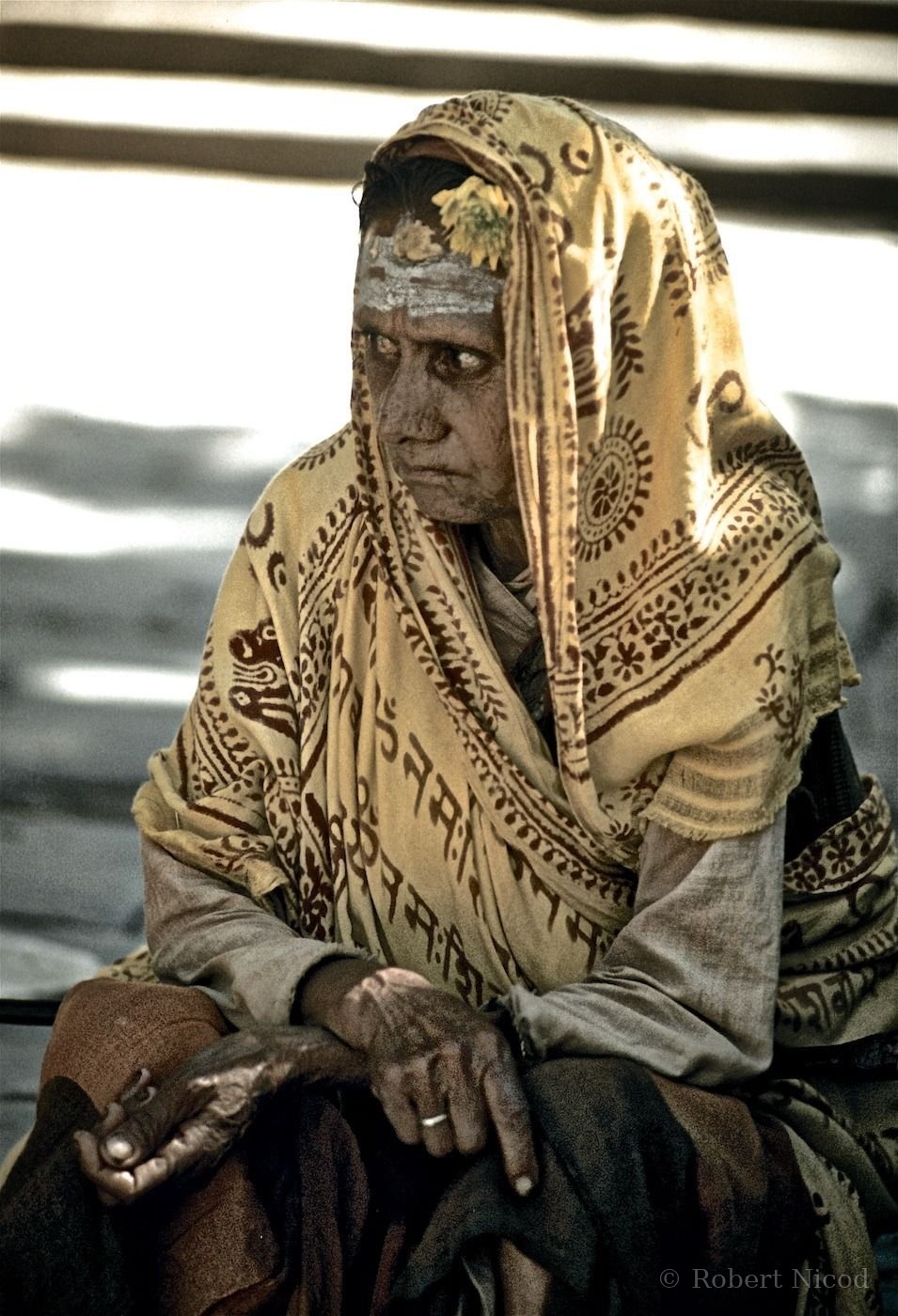
Delhi 1977
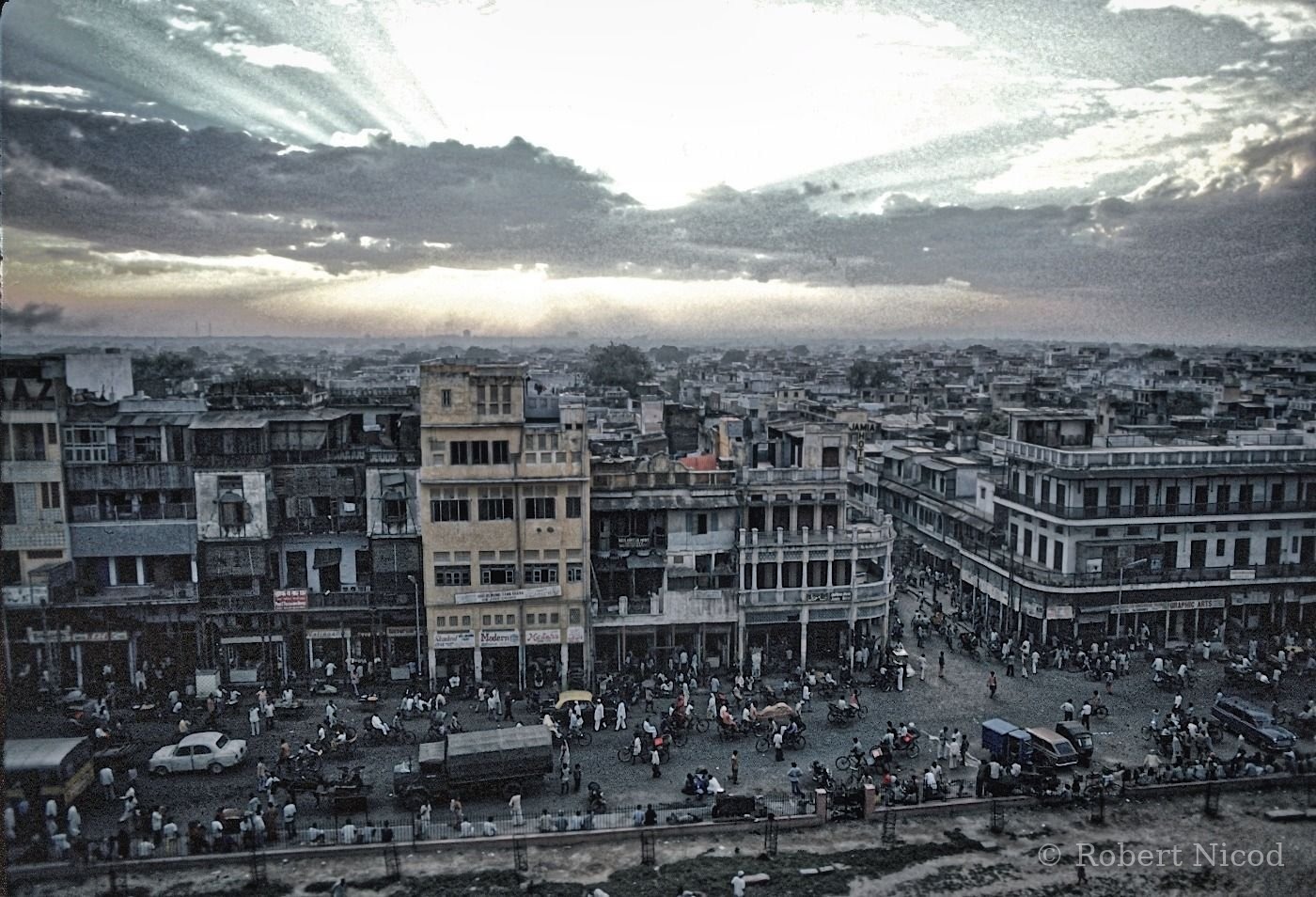
Delhi 1977
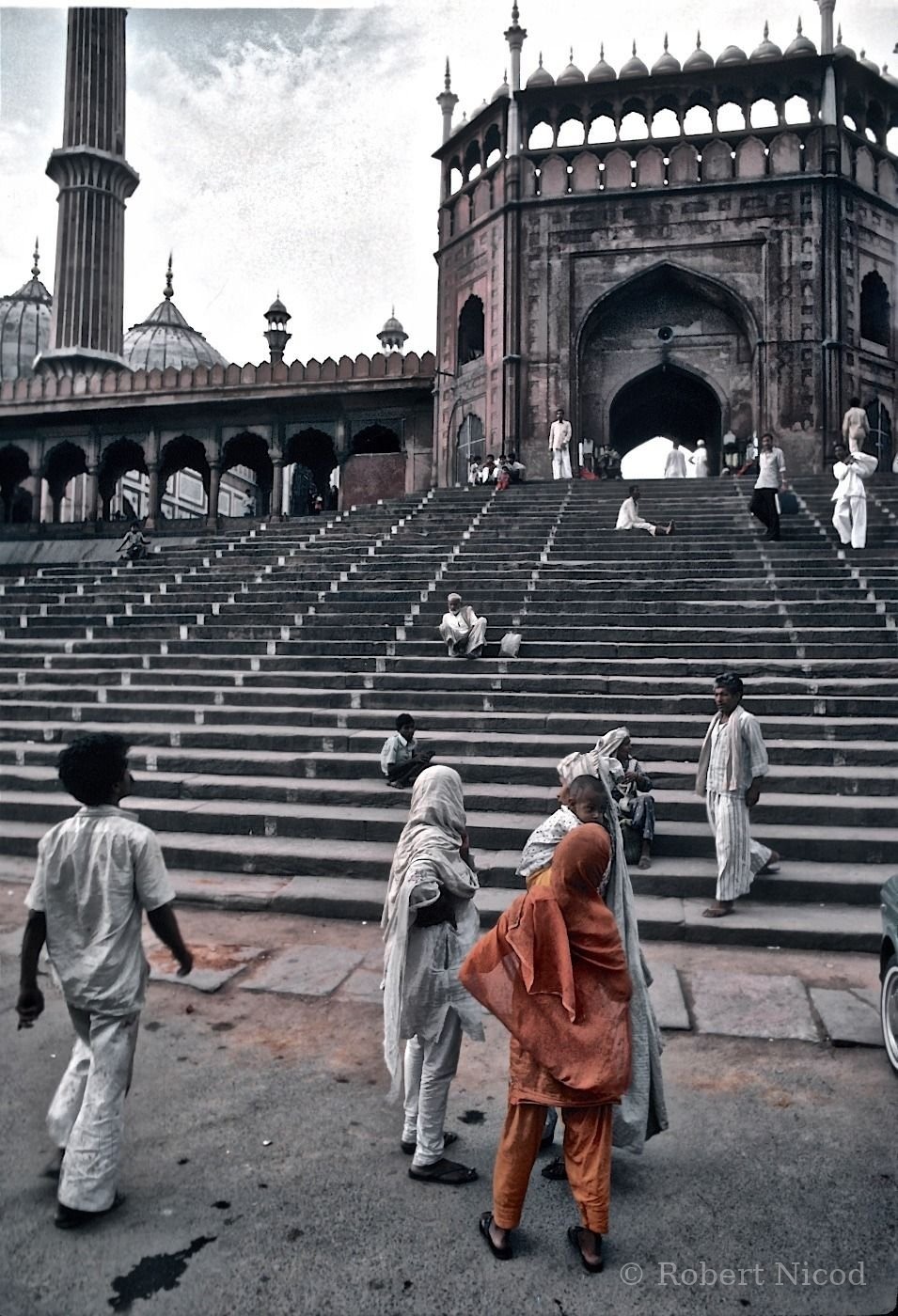
Delhi 1977
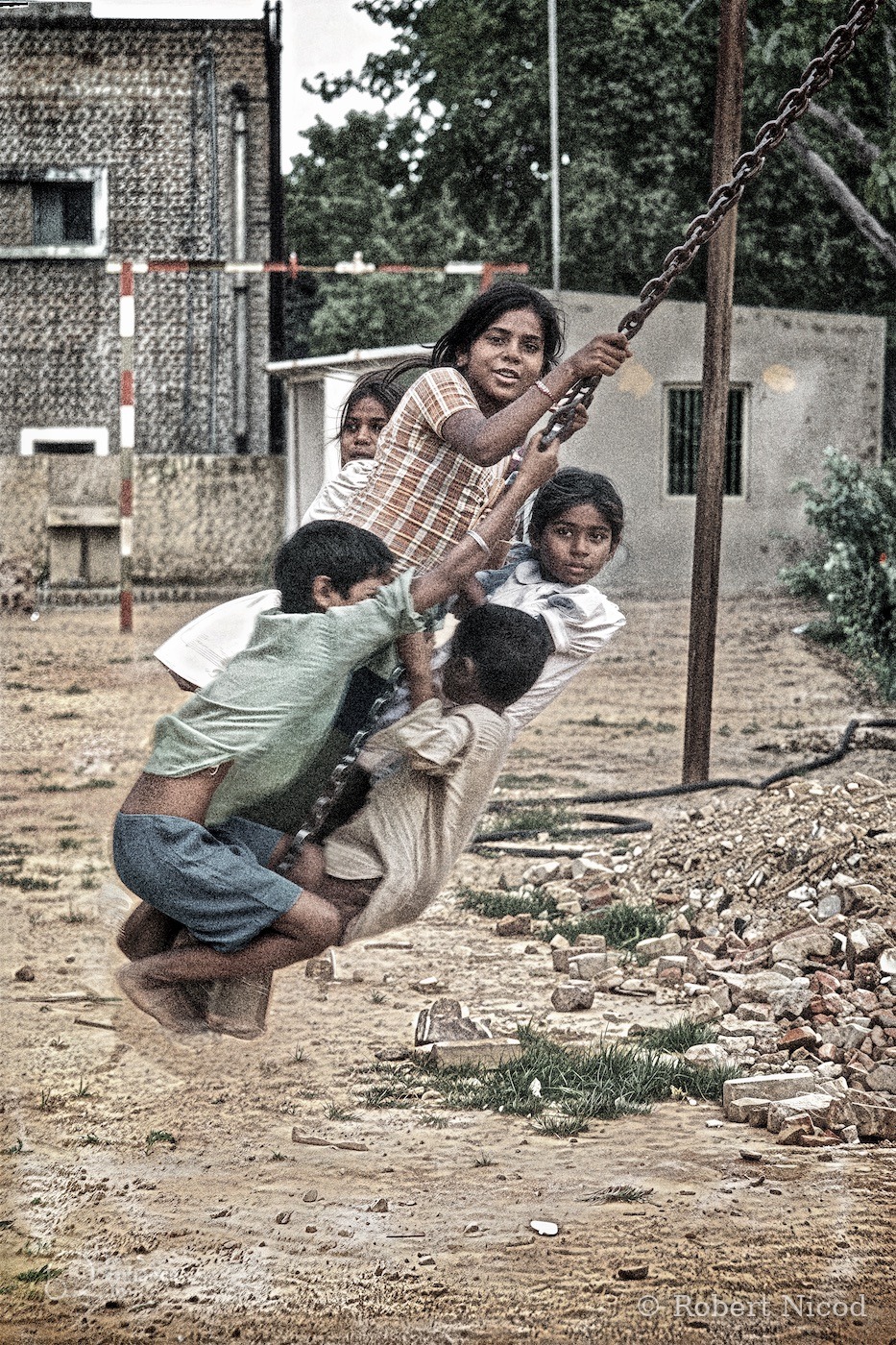
Delhi 1977
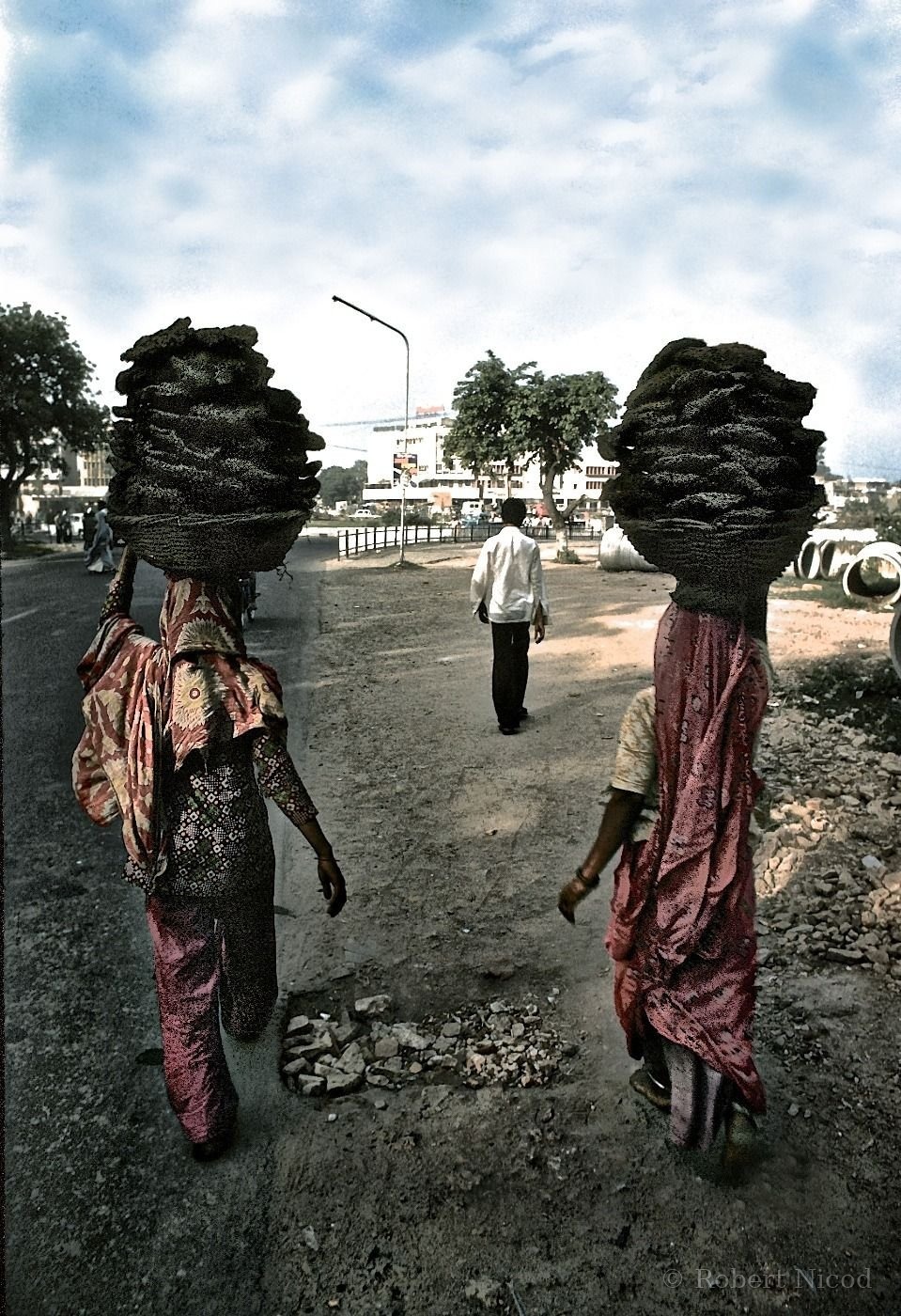
Delhi 1977
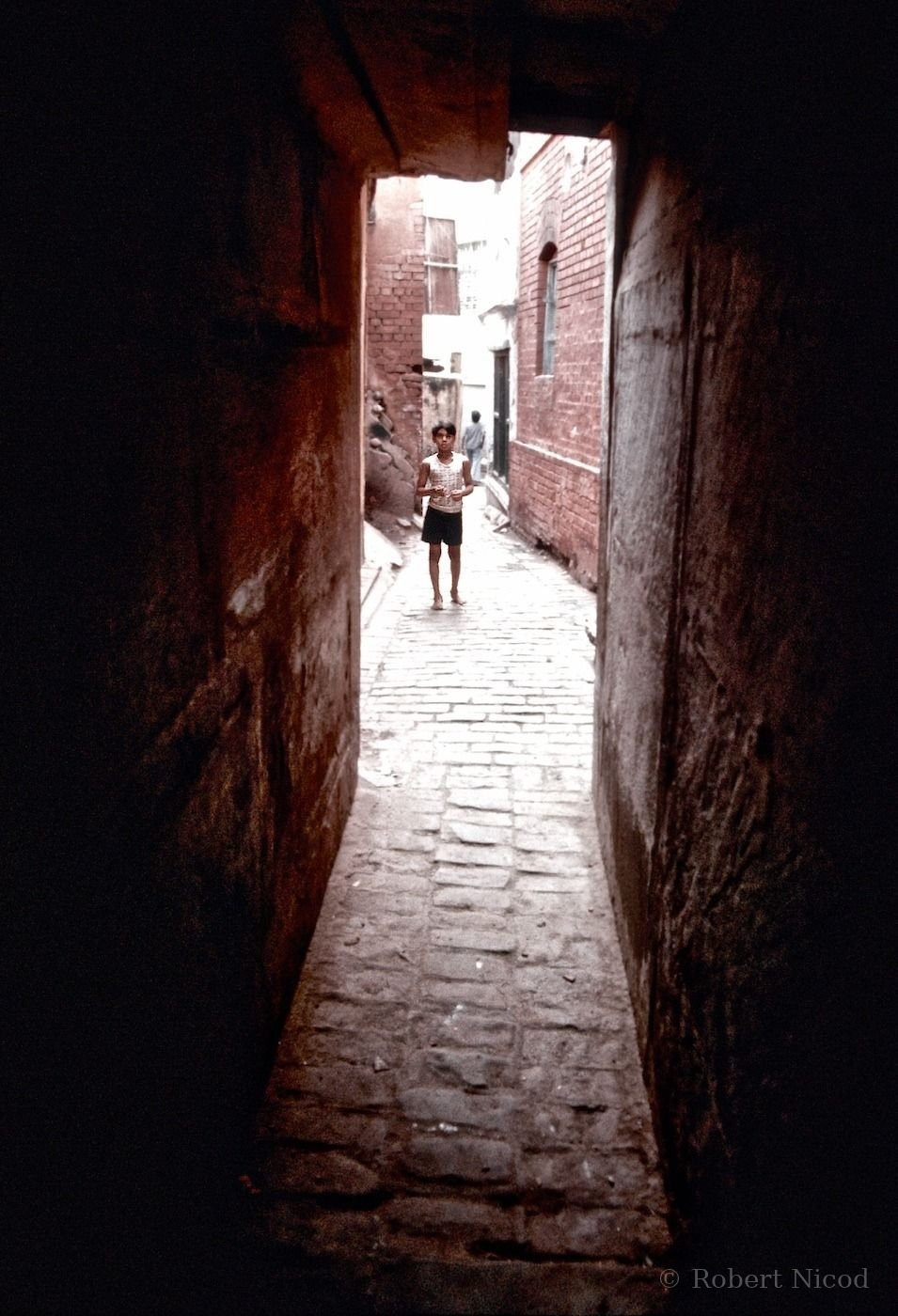
Delhi 1977
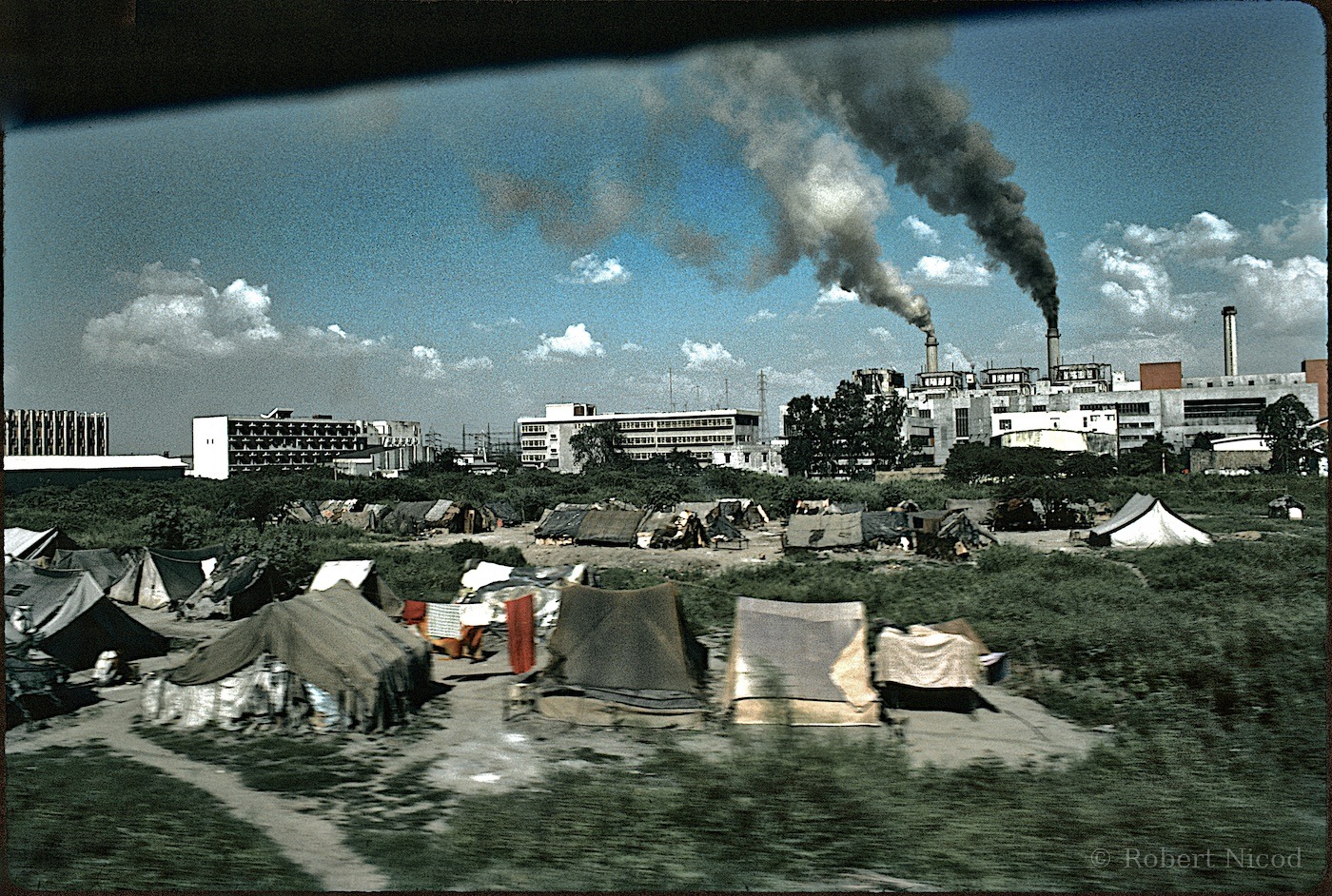
India 1977
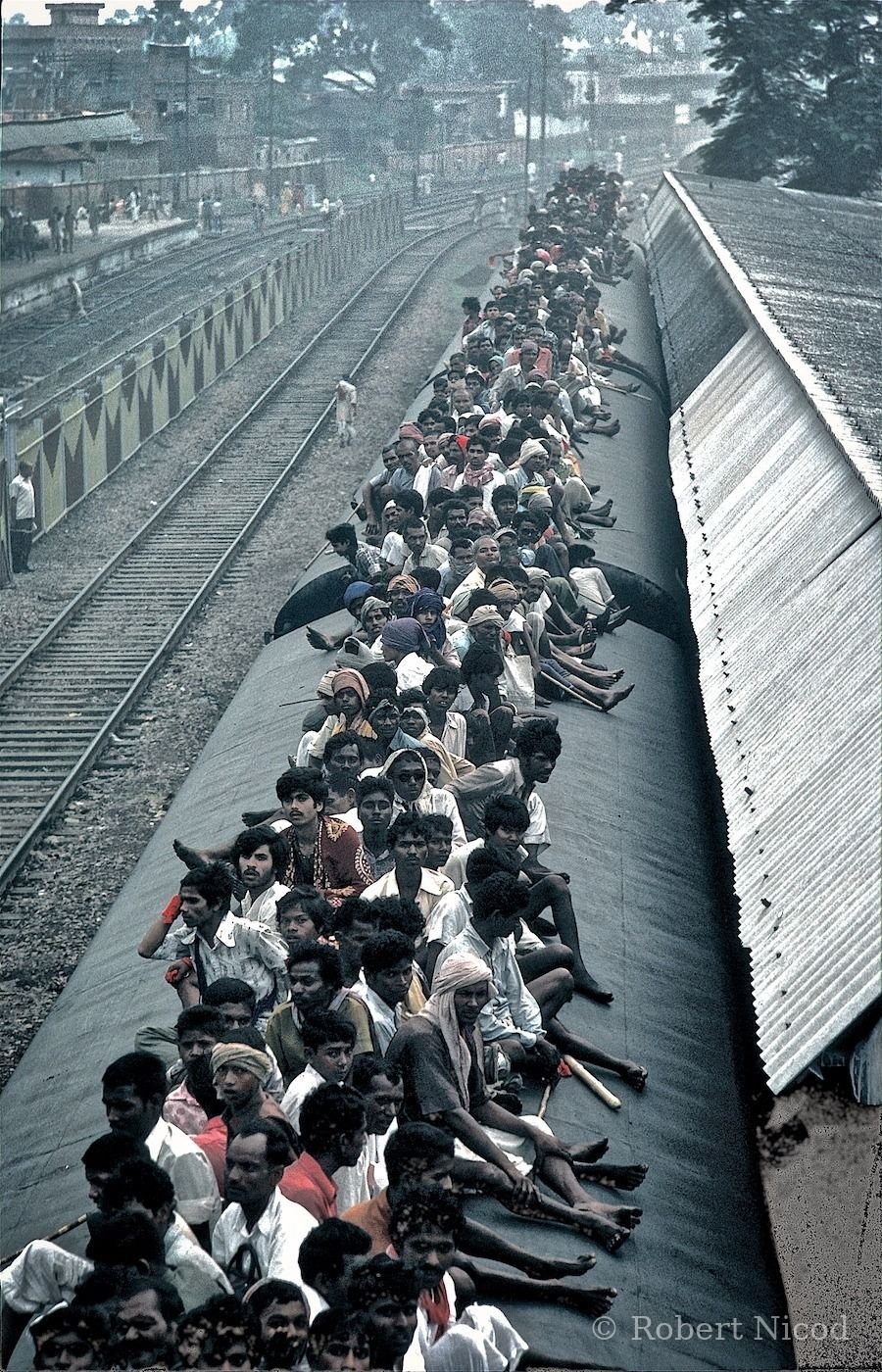
India 1977
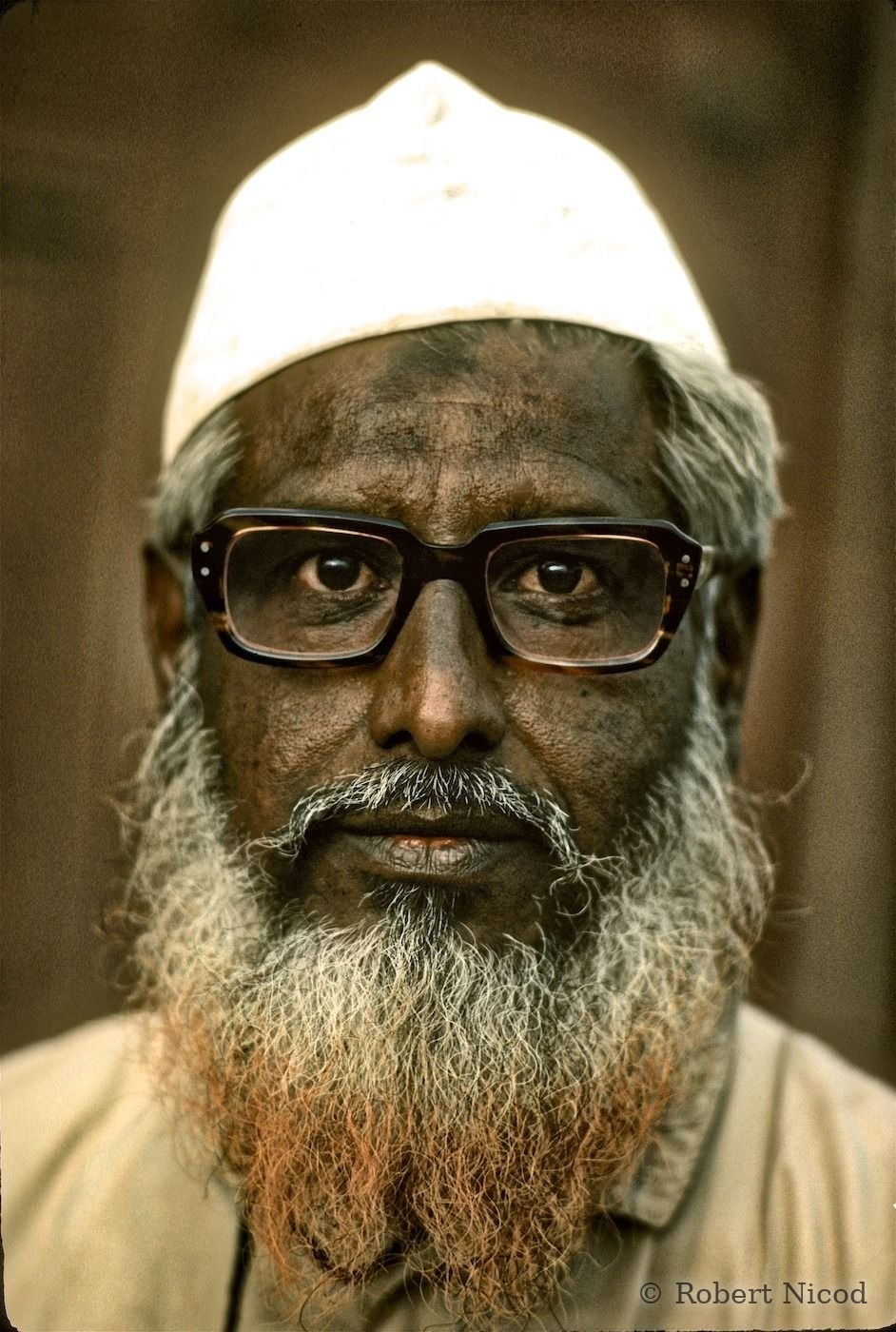
Delhi 1977
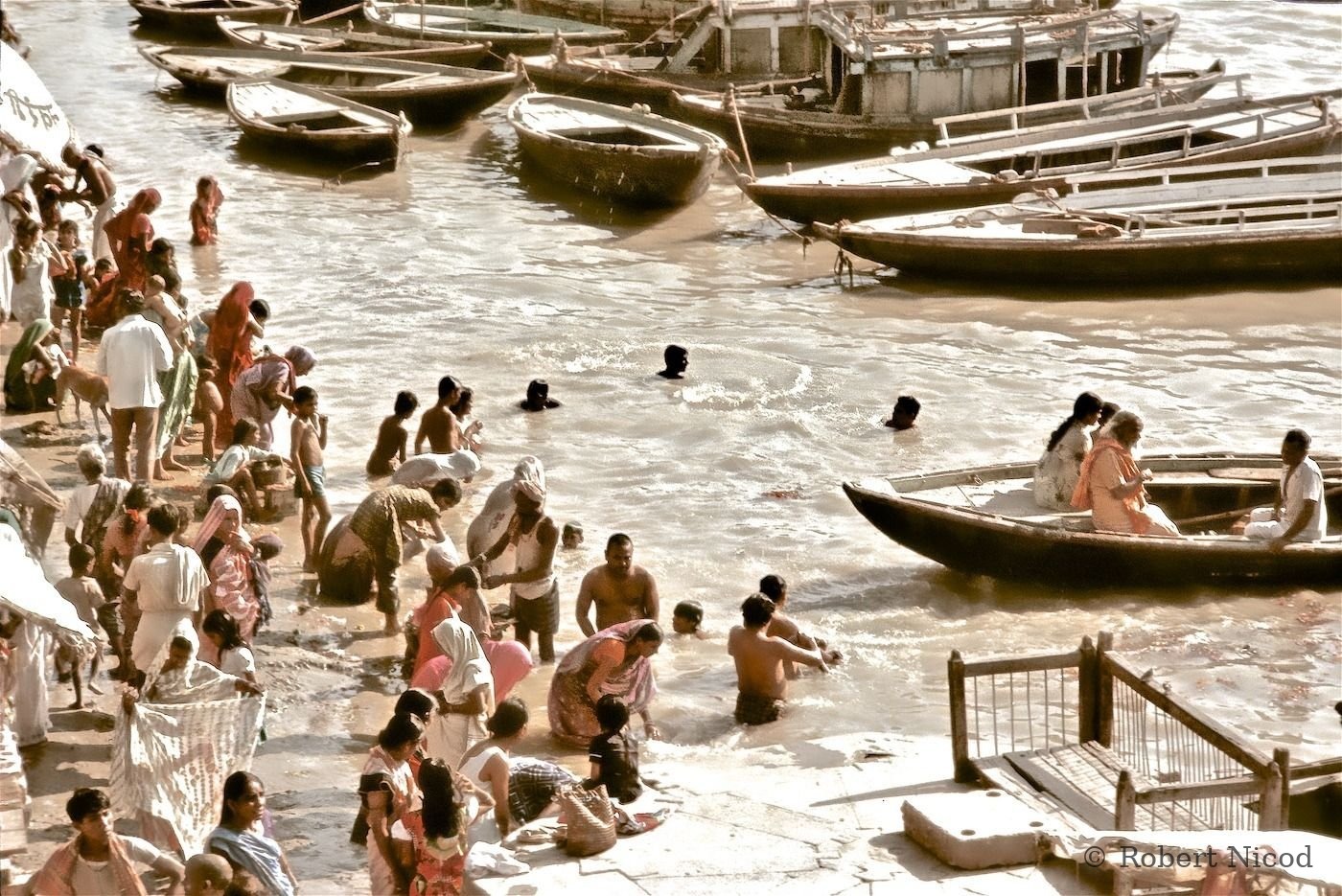
Varanasi 1977
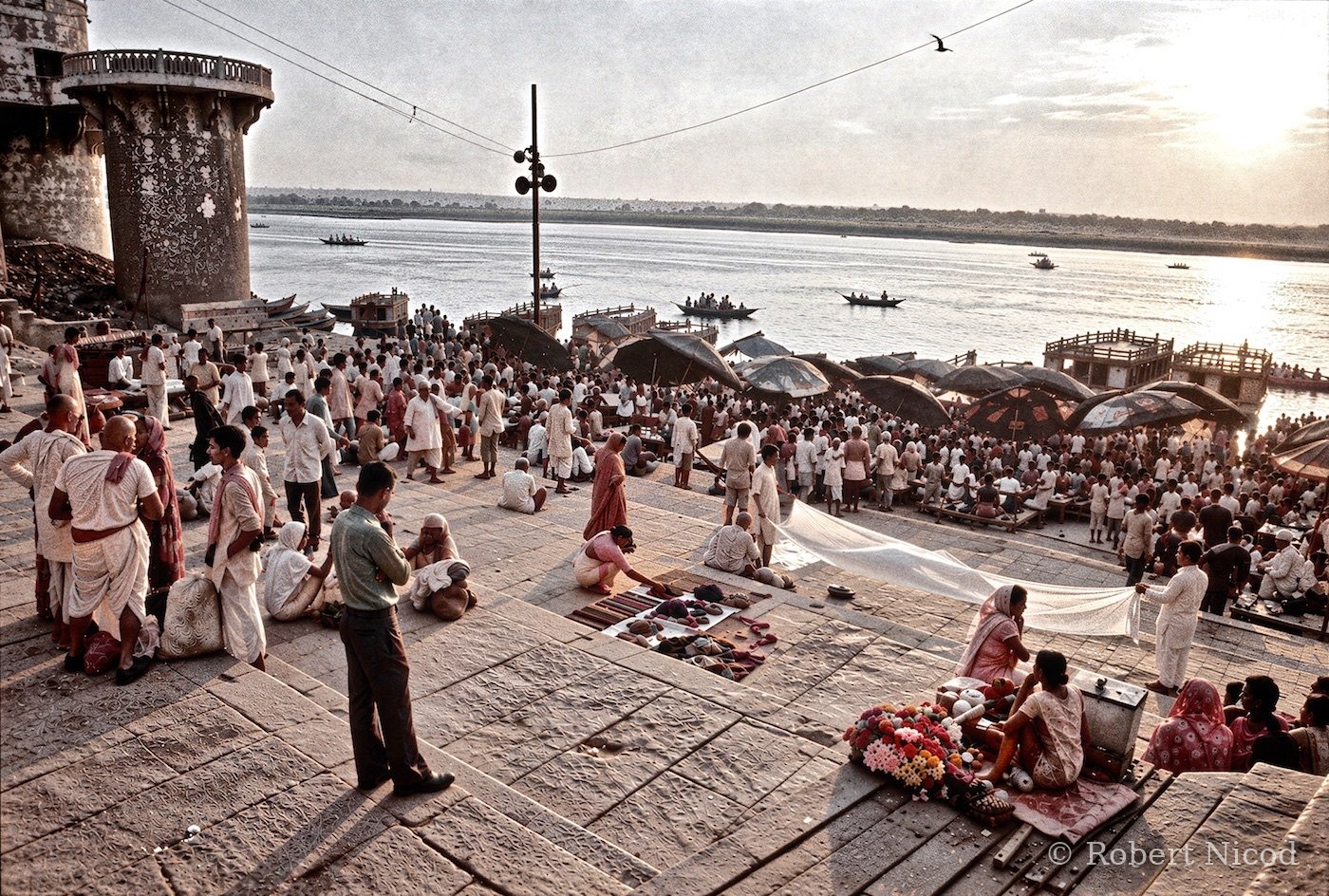
Varanasi 1977
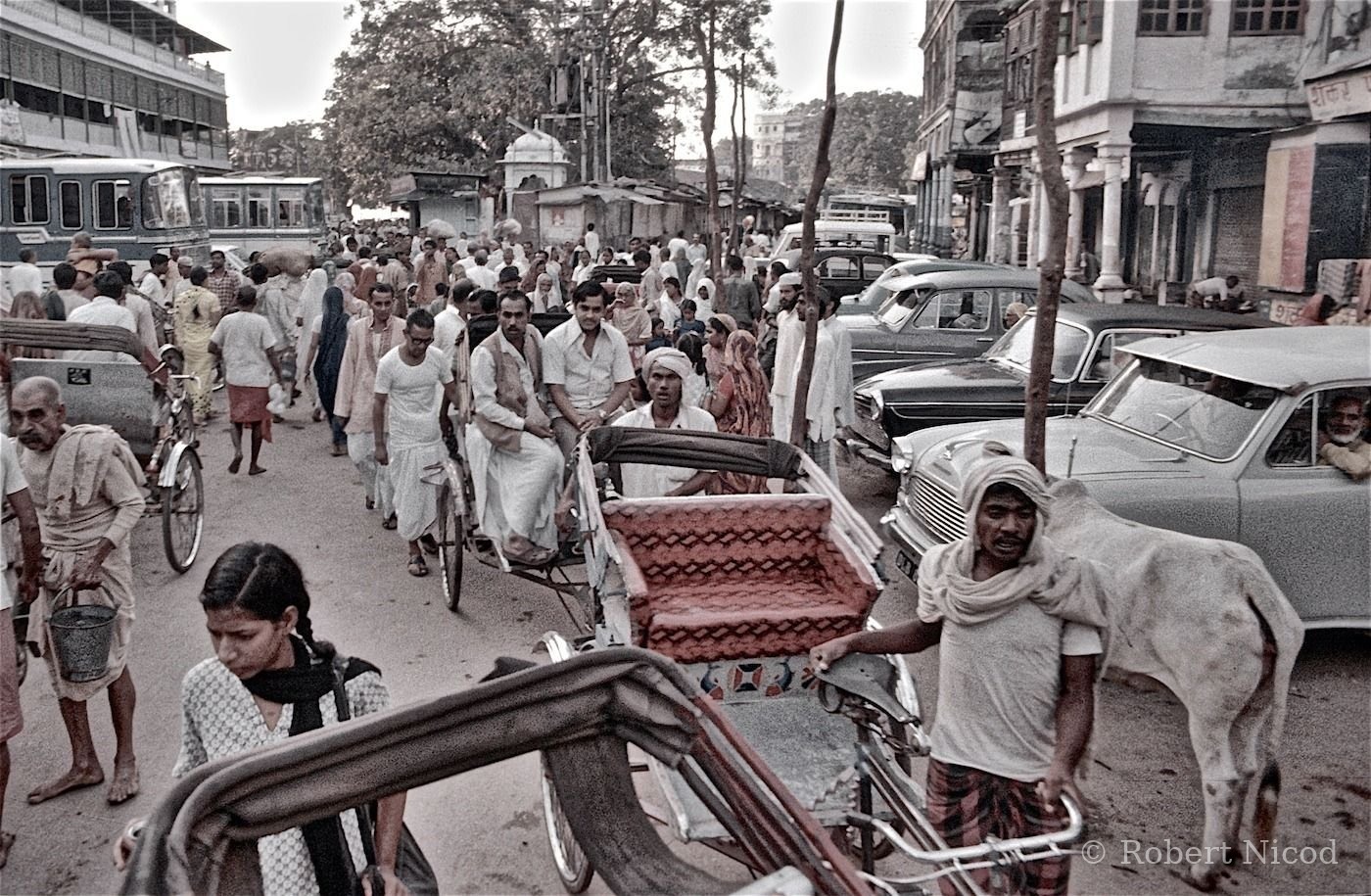
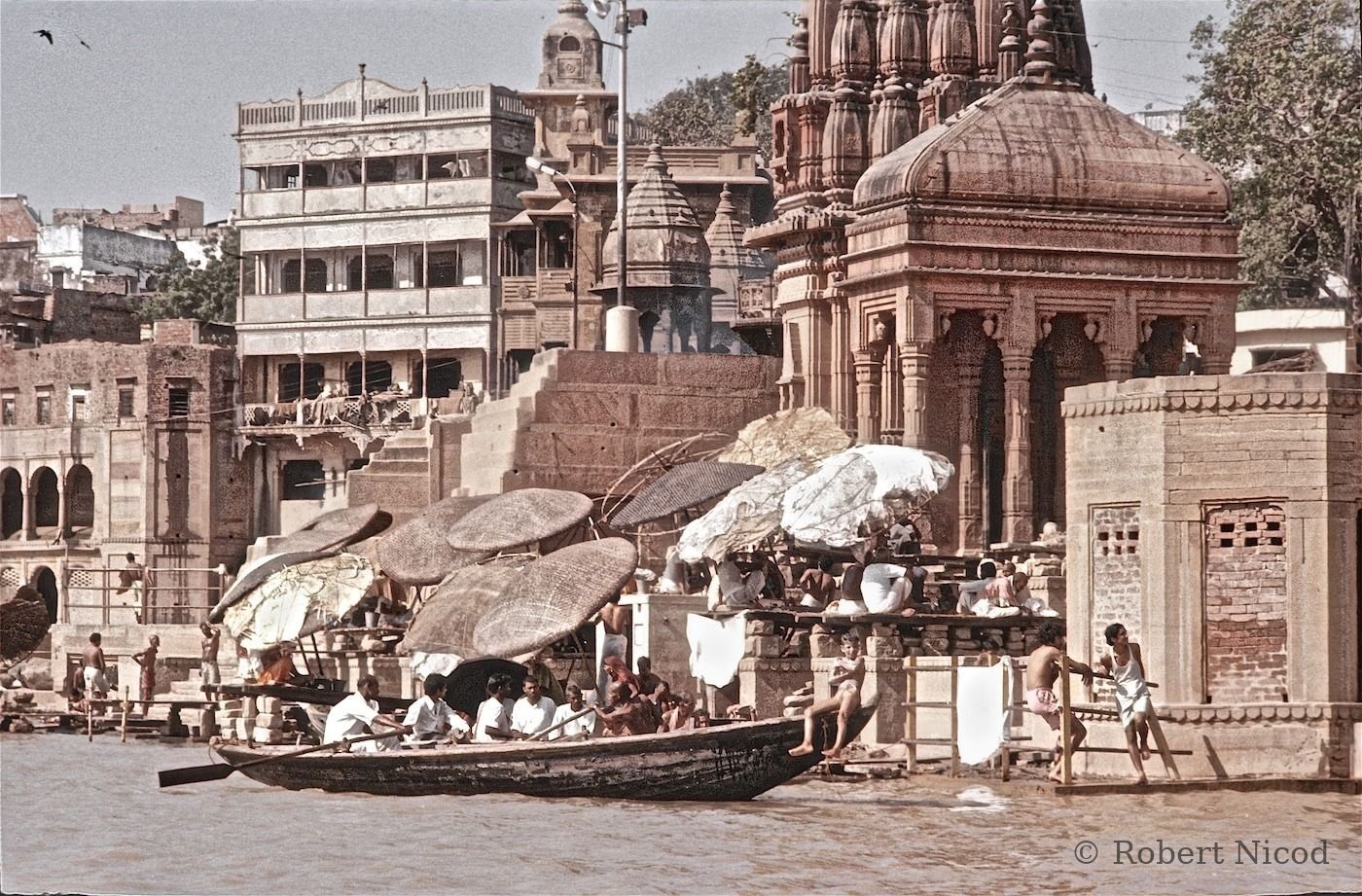
Varanasi 1977
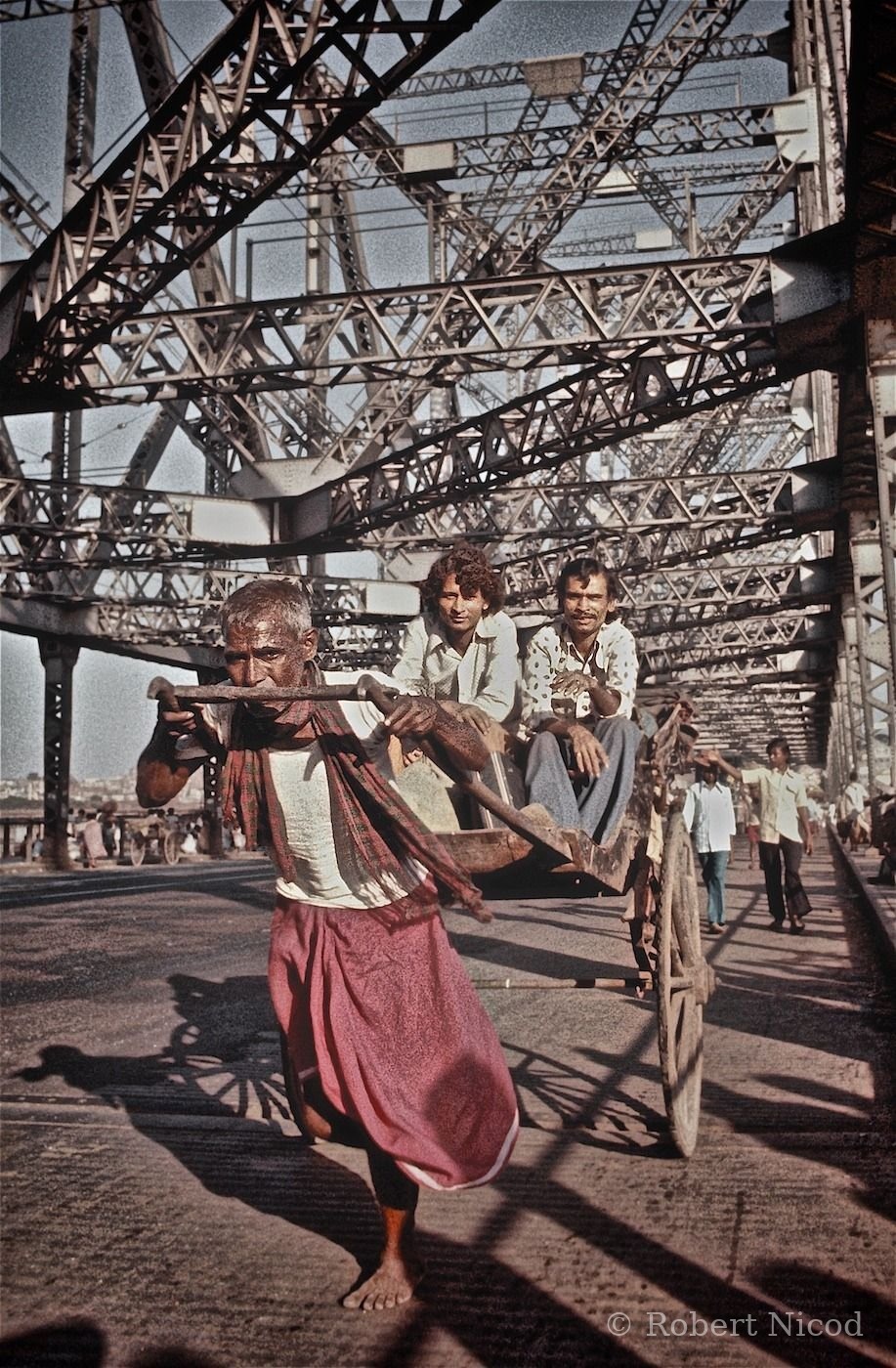
Calcutta 1977
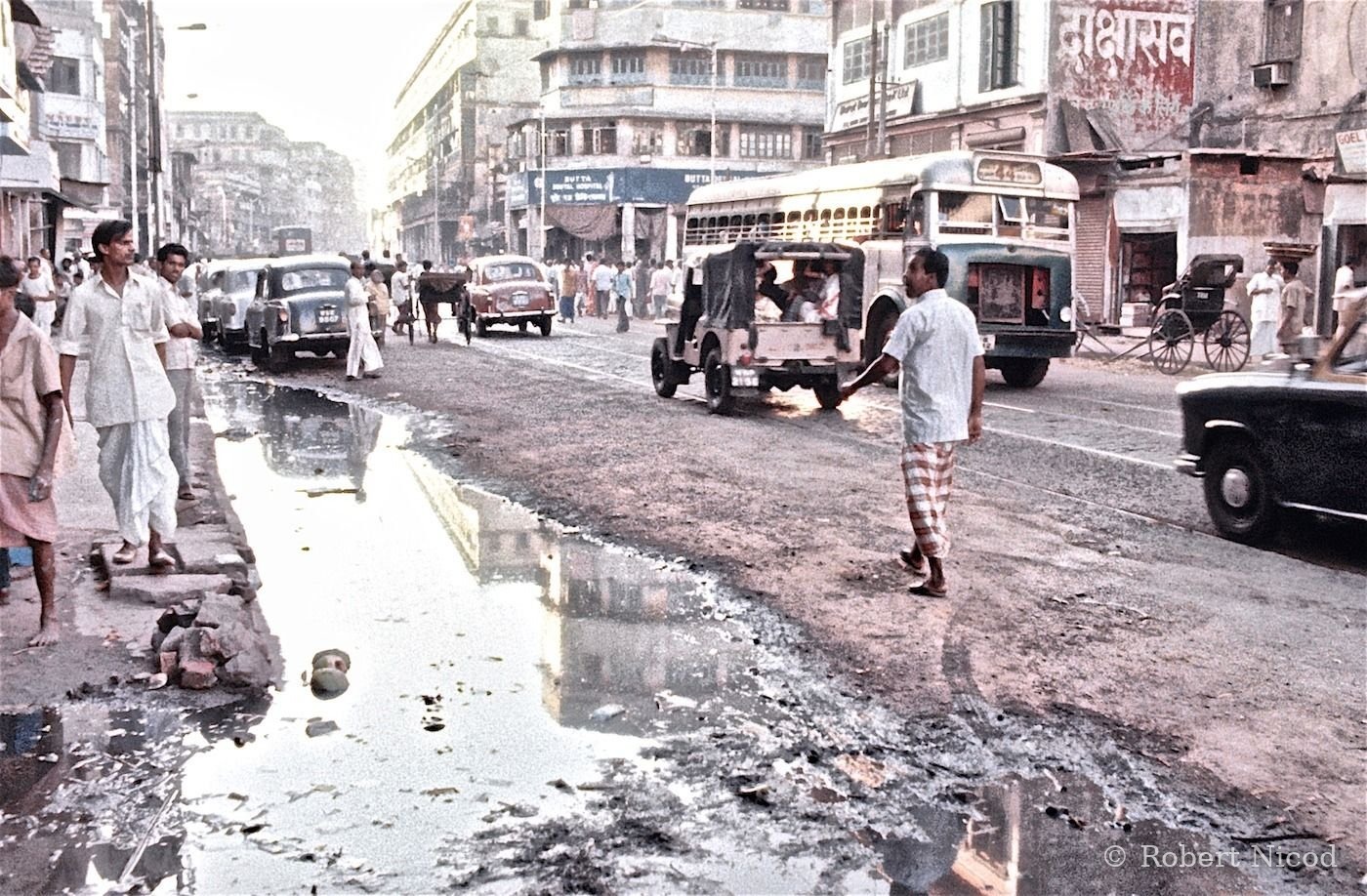
Calcutta 1977
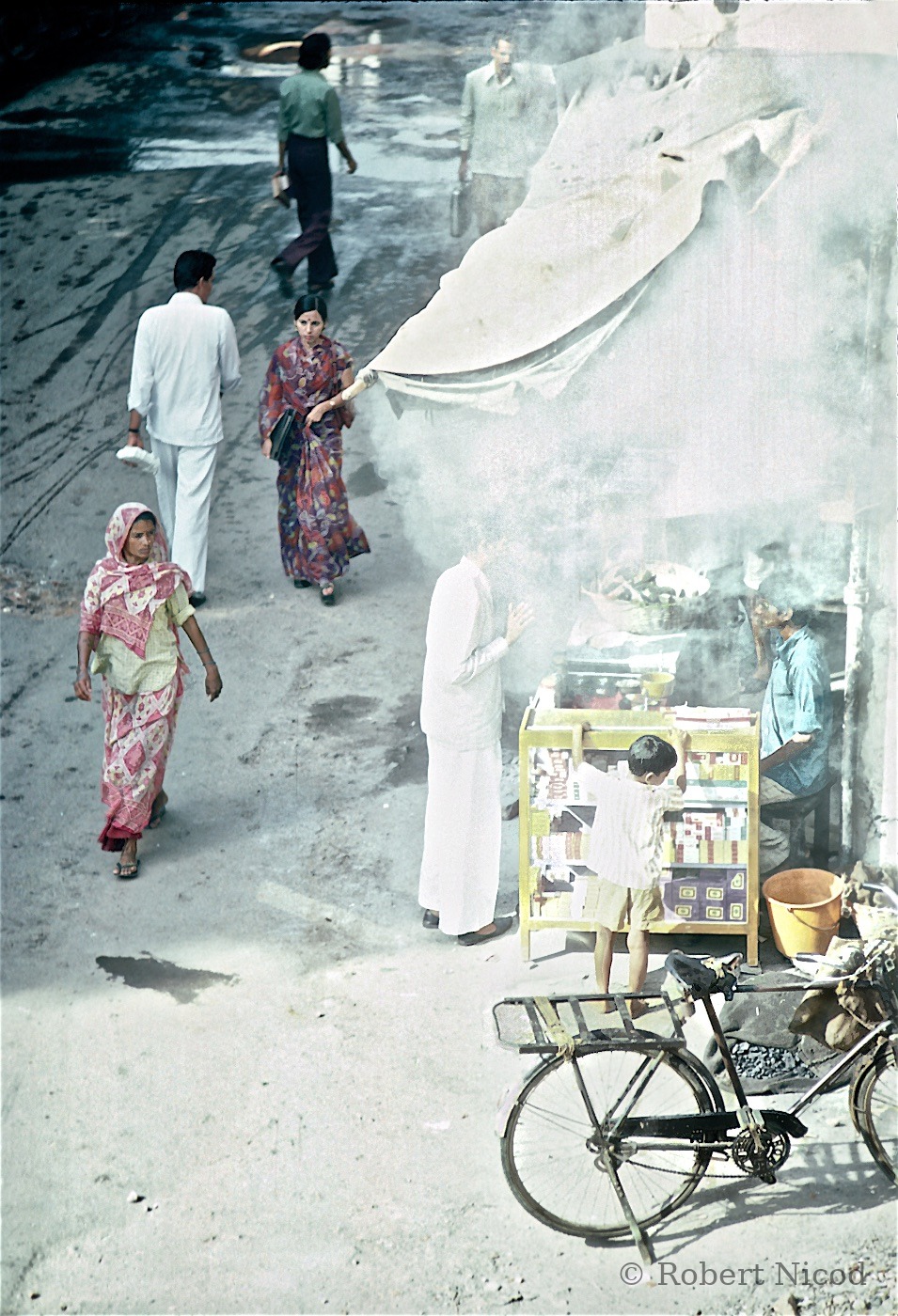
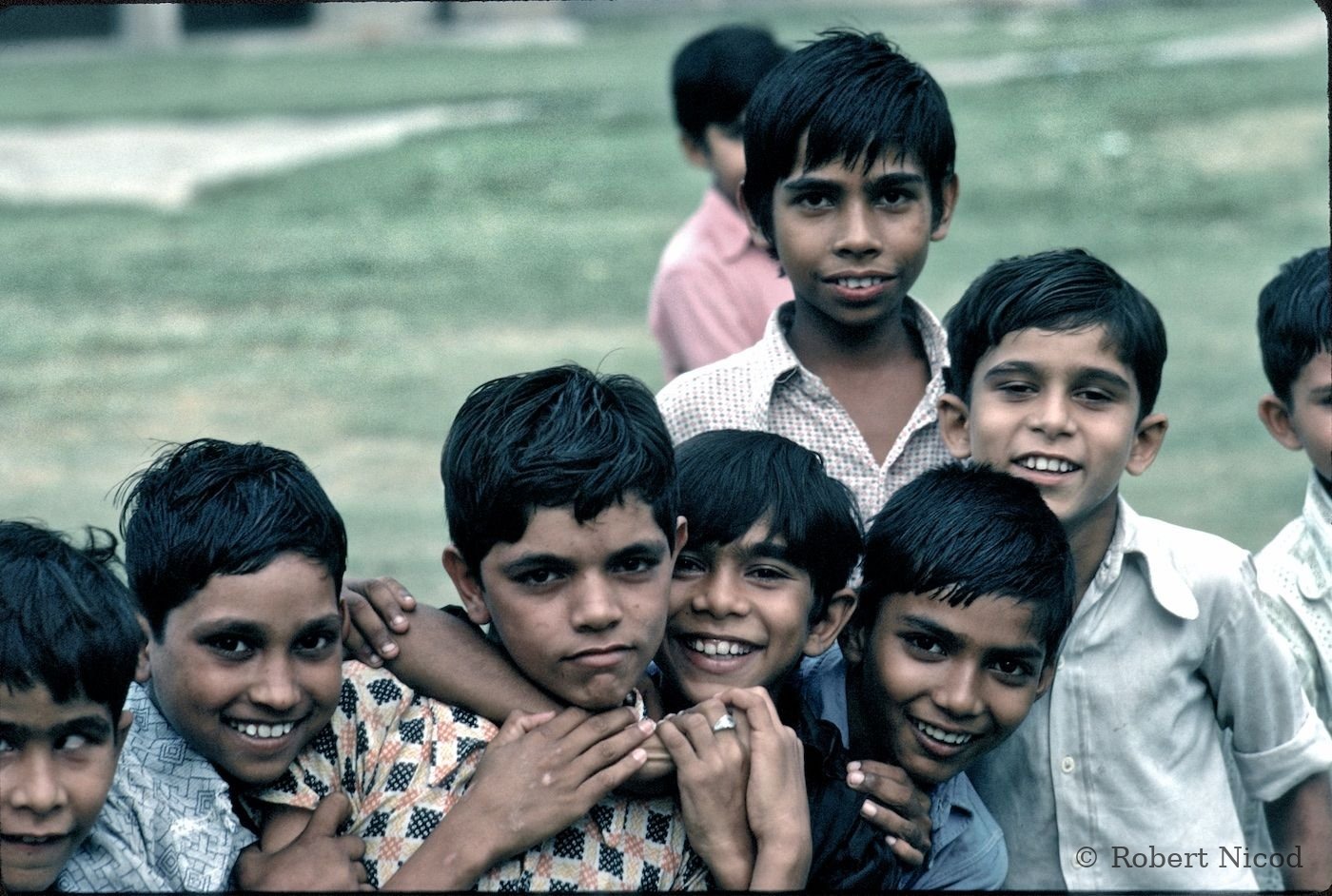
Delhi 1977
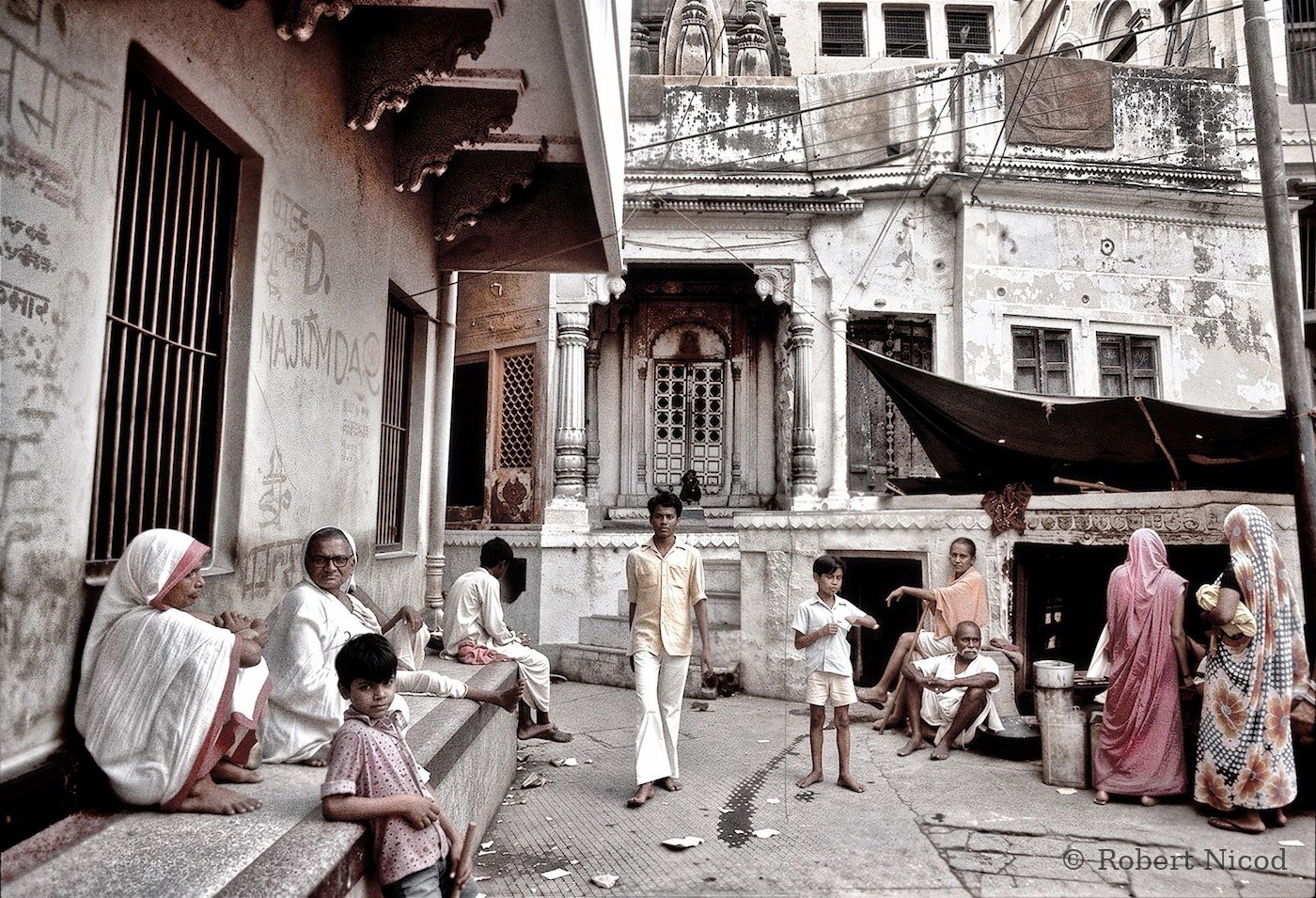
Delhi 1977